
Raicilla: The Western Mexican Spirit That Still Tastes of Place
Between the Sierra and the Pacific, an agave tradition is entering a new chapter
By LUUMHAUS
| Last Reviewed:
Some spirits arrive at the table with a familiar script. Their names are recognized, their categories understood, and their place behind the bar already established.
Raicilla is different.
For many people encountering it in Puerto Vallarta or Riviera Nayarit, the first pour comes with questions. Is it tequila? Is it mezcal? Why can one bottle taste bright and botanical while another feels smoky, earthy, and almost tropical? And how did a spirit produced for generations across western Jalisco remain relatively unknown beyond its home region?
The answer begins with geography.
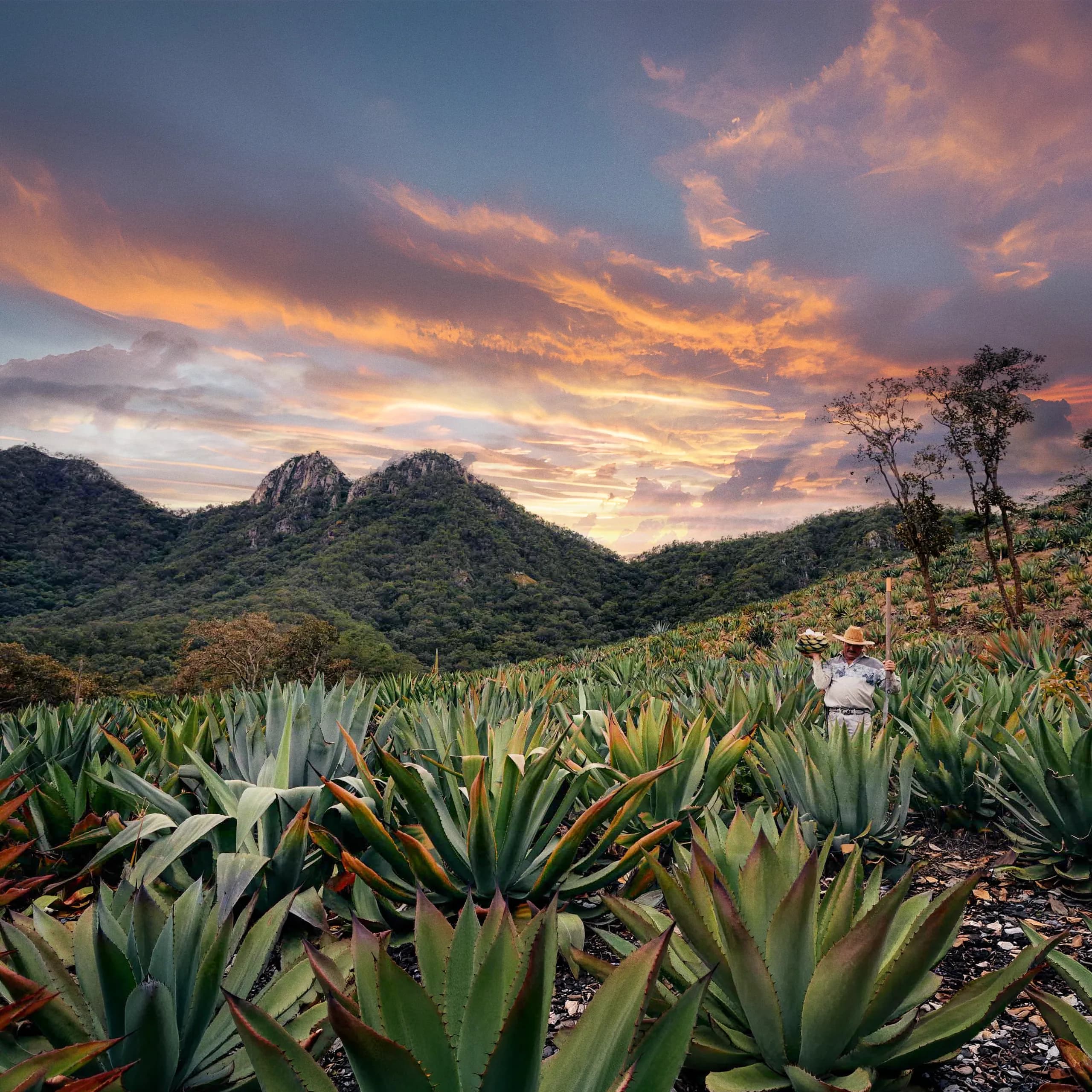
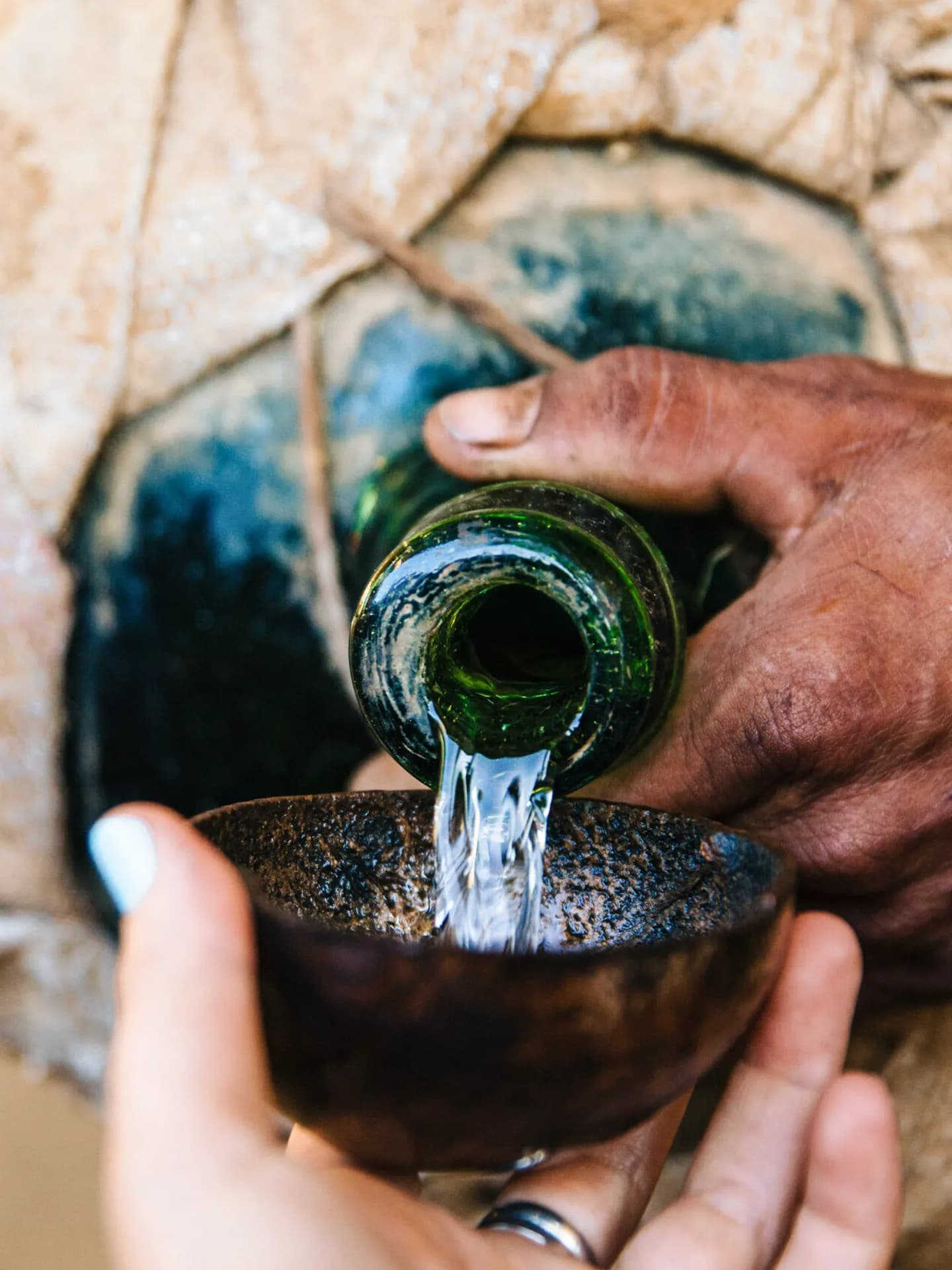
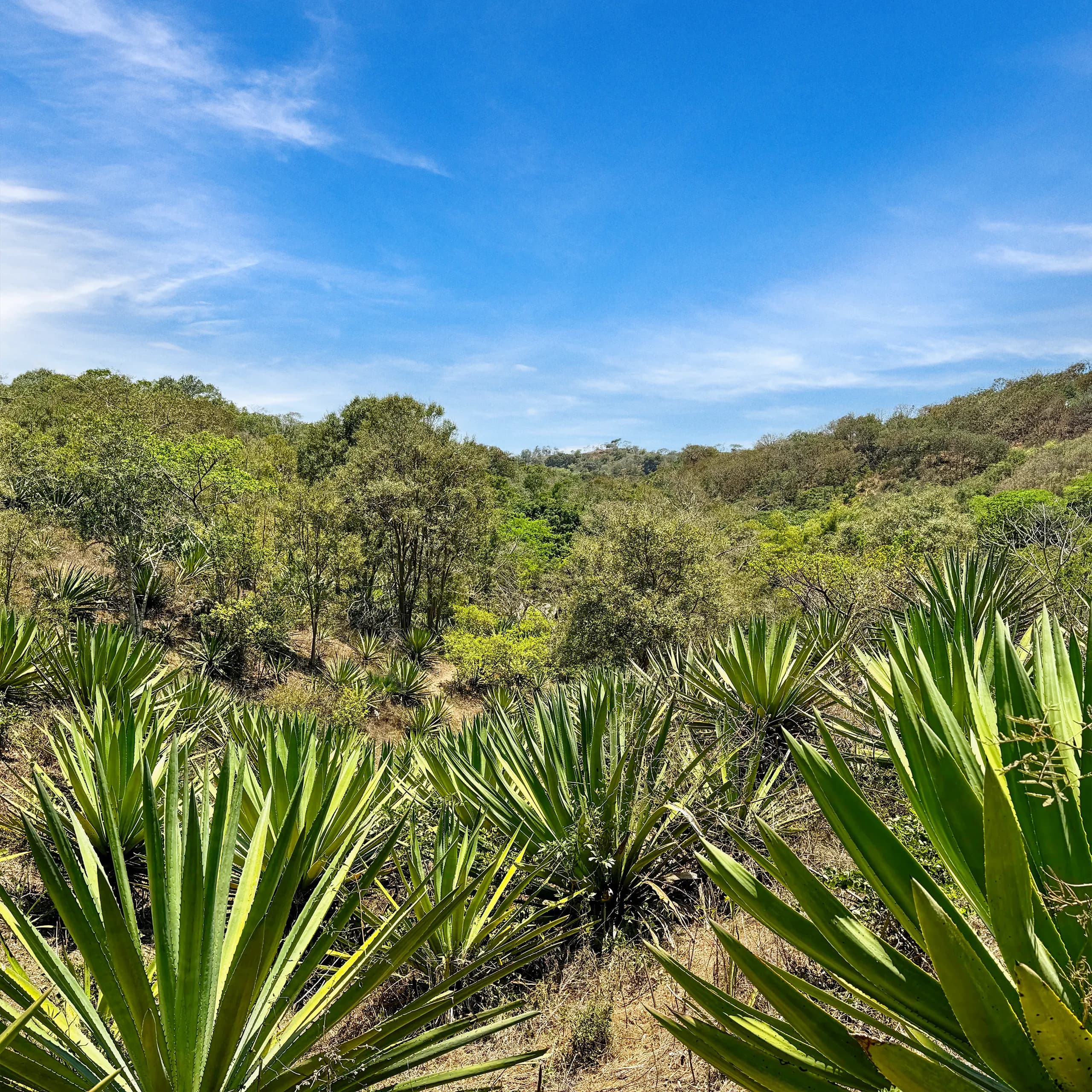
Raicilla does not belong to a single landscape or one standardized method. It comes from forested mountain communities, warm coastal ravines, family tabernas, cultivated fields, and semi-wild agave populations. Its identity changes according to the species used, the altitude at which the plants mature, the way the agave is cooked, the microorganisms active during fermentation, and the still through which the liquid finally passes.
It is therefore better understood not as a uniform flavor, but as a conversation between land, technique, and time.
An Old Spirit with New Recognition
Raicilla’s history predates its contemporary visibility by centuries. Agave distillation developed across the former territory of Nueva Galicia during the colonial period, and communities in what is now Jalisco maintained their own local production traditions long before the category acquired formal protection.
One frequently repeated story holds that producers adopted the name raicilla—roughly, “little root”—to distinguish their spirit from mezcal in the eyes of tax collectors. The name is misleading in a technical sense: the drink is made from the agave’s central heart, or piña, rather than its roots. The story is best approached as regional lore rather than fully settled archival history, but it reflects an important part of the spirit’s identity. For much of its existence, raicilla survived through informality, discretion, and small-scale family production.
That changed legally on June 28, 2019, when Mexico granted Raicilla its Denomination of Origin. The protected area encompasses 16 municipalities in Jalisco and Bahía de Banderas in Nayarit. The international registration describes it as a 100-percent agave spirit generally bottled between 35 and 55 percent alcohol by volume.
Legal recognition gave raicilla a clearer position in the marketplace, but it did not erase the internal diversity that defines it. To understand the category, one must first understand its two principal worlds: the sierra and the coast.
Two Landscapes, Two Expressions
The division between mountain and coastal raicilla is more than a matter of address. It influences nearly every stage of production.
Raicilla de la Sierra
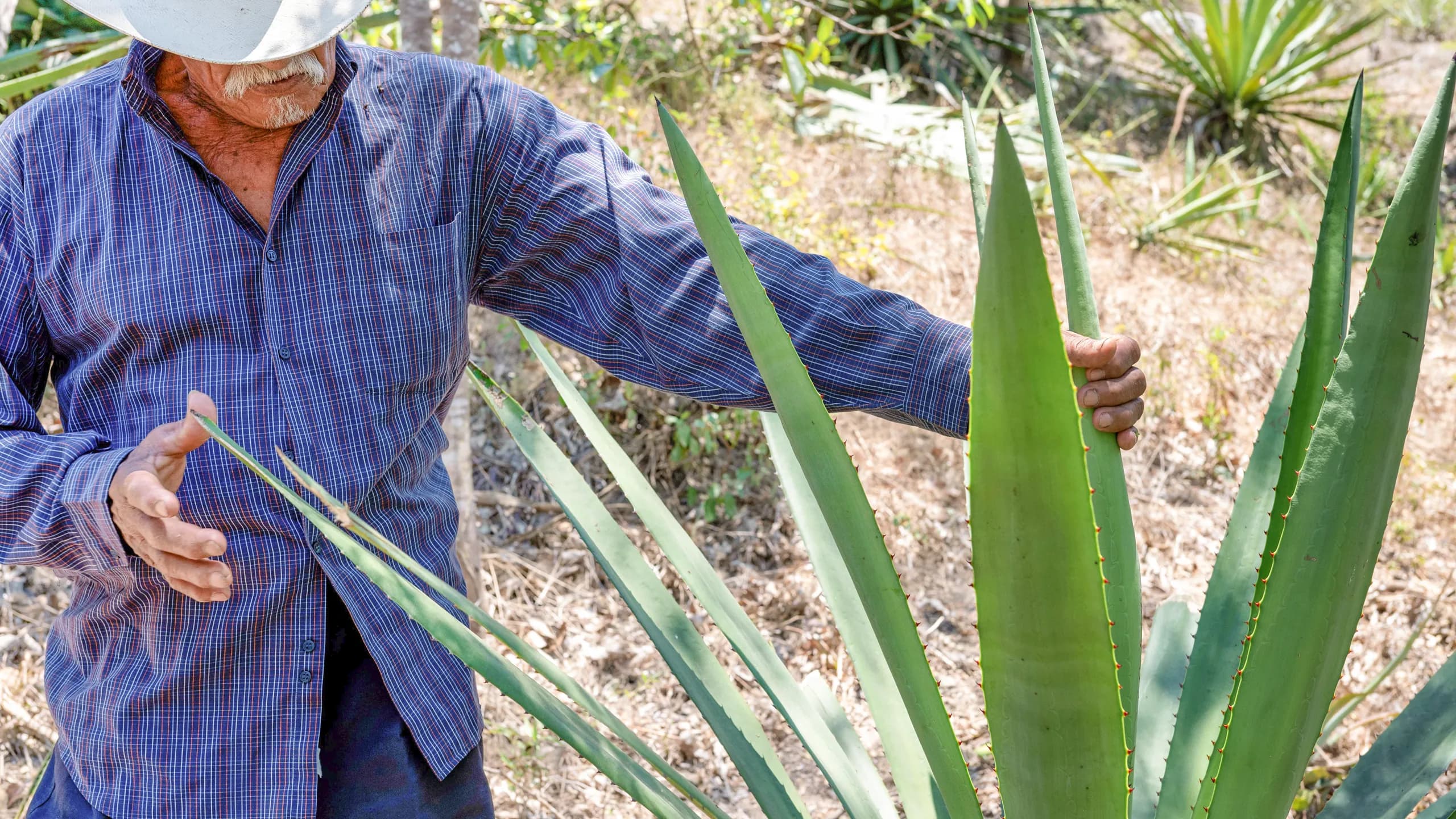
In the mountain communities around Mascota and San Sebastián del Oeste, the defining agave is often Agave maximiliana, locally known as lechuguilla. Other recognized species include Agave inaequidens and the much rarer Agave valenciana. San Sebastián del Oeste remains especially relevant to Puerto Vallarta because it brings the Sierra tradition within reach of the coast: its tabernas, tastings, and producers—including Tesoro del Oeste—allow visitors to encounter mountain raicilla near the landscape in which it is made.
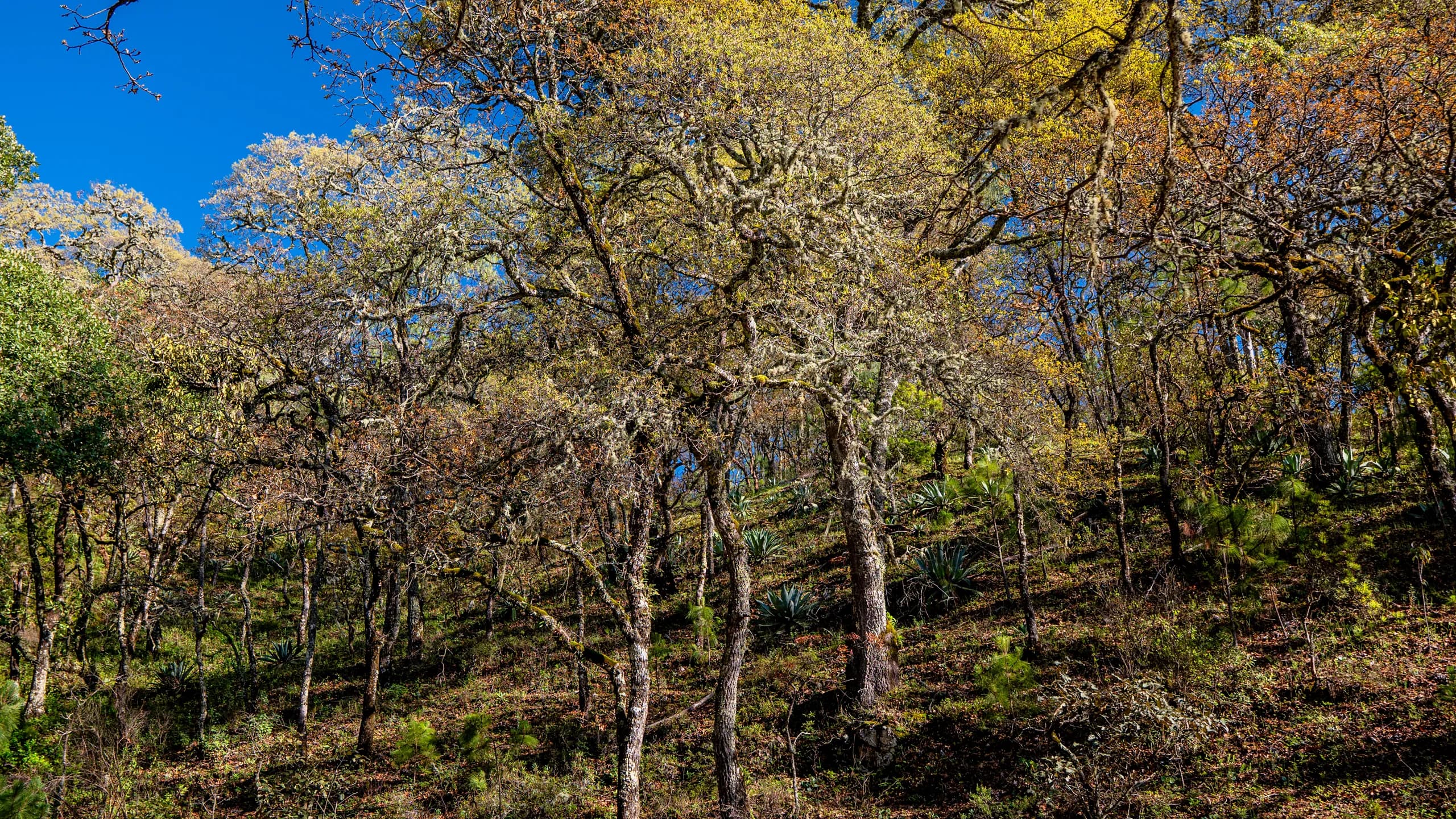
These plants mature in cooler, higher landscapes shaped by forest, seasonal rain, rocky soils, and considerable variation in altitude. Mature agaves may require many years before harvest, particularly when growing under semi-wild forest conditions.
Sierra producers generally cook their agaves in above-ground ovens built from clay, adobe, brick, or masonry. Because the piñas are not buried directly over hot stones in an earthen pit, the finished spirit often carries less dominant smoke.
The result can be unexpectedly lifted: floral aromatics, citrus peel, pine, herbs, green fruit, resin, and roasted agave. Some expressions are delicate; others retain a rustic texture or an assertive mineral character. What connects them is not one precise tasting note but a certain mountain clarity.
Raicilla de la Costa
The coastal tradition is associated especially with Cabo Corrientes and the warmer Pacific-facing territory south and west of Puerto Vallarta. Here, producers commonly work with local forms of Agave angustifolia and Agave rhodacantha, including landraces known by names such as Amarillo, Cenizo, Pencudo, Verde, and Chico Aguiar.
Cooking traditionally takes place in underground pit ovens. The agave hearts are arranged over heated stones, covered with damp fiber and earth, and left to roast for several days. This method develops deeper smoke, caramelization, and earth-driven flavors.
Coastal raicilla is also distinguished by the use of Filipino-style stills, a production technology connected to the historic movement of people and knowledge across the Pacific. These stills may combine a metal or clay boiling chamber, a hollowed wooden trunk, and a copper collection component.
The liquid that emerges can be savory, smoky, saline, lactic, fruity, or slightly wild. Tropical fruit may appear beside wet earth, roasted agave, herbs, fermentation funk, pepper, or sea-air associations. It is not necessarily smooth in the conventional commercial sense. Its attraction often lies in its texture, individuality, and refusal to taste anonymous.
Why Raicilla Is Not Simply “Another Mezcal”
In the broad historical sense, raicilla belongs to Mexico’s extended family of regional mezcales: spirits produced by cooking, fermenting, and distilling agave according to local traditions.
Legally and culturally, however, raicilla now occupies its own category.
It uses several agave species rather than relying exclusively on blue agave, as tequila does. Its production territory is separately protected. Its coastal Filipino stills and Sierra ovens create a technical vocabulary that does not correspond neatly to the methods most commonly associated with Oaxaca.
Calling raicilla “a kind of mezcal” may help a newcomer understand its general family. Treating it as interchangeable with mezcal obscures the very distinctions that make it worth exploring.
The more revealing comparison may be with tequila.
Industrial tequila production is built around Agave tequilana Weber var. azul and, at scale, often involves controlled cooking, extraction, fermentation, and distillation intended to achieve consistency across large volumes.
Raicilla remains far less standardized. Wild yeasts may govern fermentation. Equipment can differ from one taberna to the next. Producers rely on smell, sound, touch, taste, weather, and experience rather than an entirely instrument-led process. Even batches made by the same family may vary from one harvest to another.
For an industrial producer, variation is usually a problem to be corrected. For traditional raicilla, variation can be part of the record of a particular season.
Inside the Taberna
The traditional raicilla distillery is known as a taberna. It may be a simple, open-air workspace rather than an architecturally formal facility, but within it operates a complex chain of accumulated knowledge.
The process begins with mature agave. Harvesting too early produces less sugar and a thinner spirit. Waiting requires patience, land, and financial resilience: depending on the species and growing conditions, an agave may occupy the landscape for seven, ten, twelve, or more years before it is ready.
Once harvested, the leaves are removed and the piñas are cooked. The softened agave is then crushed. In some traditional tabernas, this still takes place in a hollowed wooden trough known as a canoa, using heavy wooden mallets. Other producers employ mechanical shredders.
Water is added, and fermentation begins in vessels that may be made from wood, stone, masonry, concrete, or other locally practical materials. Ambient yeasts and microorganisms convert the plant’s sugars into alcohol. Temperature, rainfall, the material of the vessel, the condition of the cooked fiber, and the microbial life of the taberna all influence the outcome.
Distillation then concentrates the fermented liquid. Mountain producers commonly use copper or metal alembics and may distill once or twice. Coastal producers traditionally employ their distinctive Filipino-style systems, often distilling twice.
The process may appear simple when reduced to a sequence—cook, crush, ferment, distill—but the quality of the result depends on hundreds of decisions that are difficult to formalize. A maestro raicillero is not merely following a recipe. The maestro is interpreting a living material.
Reading a Bottle
Raicilla is best approached with curiosity rather than with a search for the “smoothest” option.
A useful label should reveal more than the brand name. Look for the production region, agave species, producer or maestro, alcohol percentage, cooking method, distillation system, and batch information. These details help explain why one expression may differ dramatically from another.
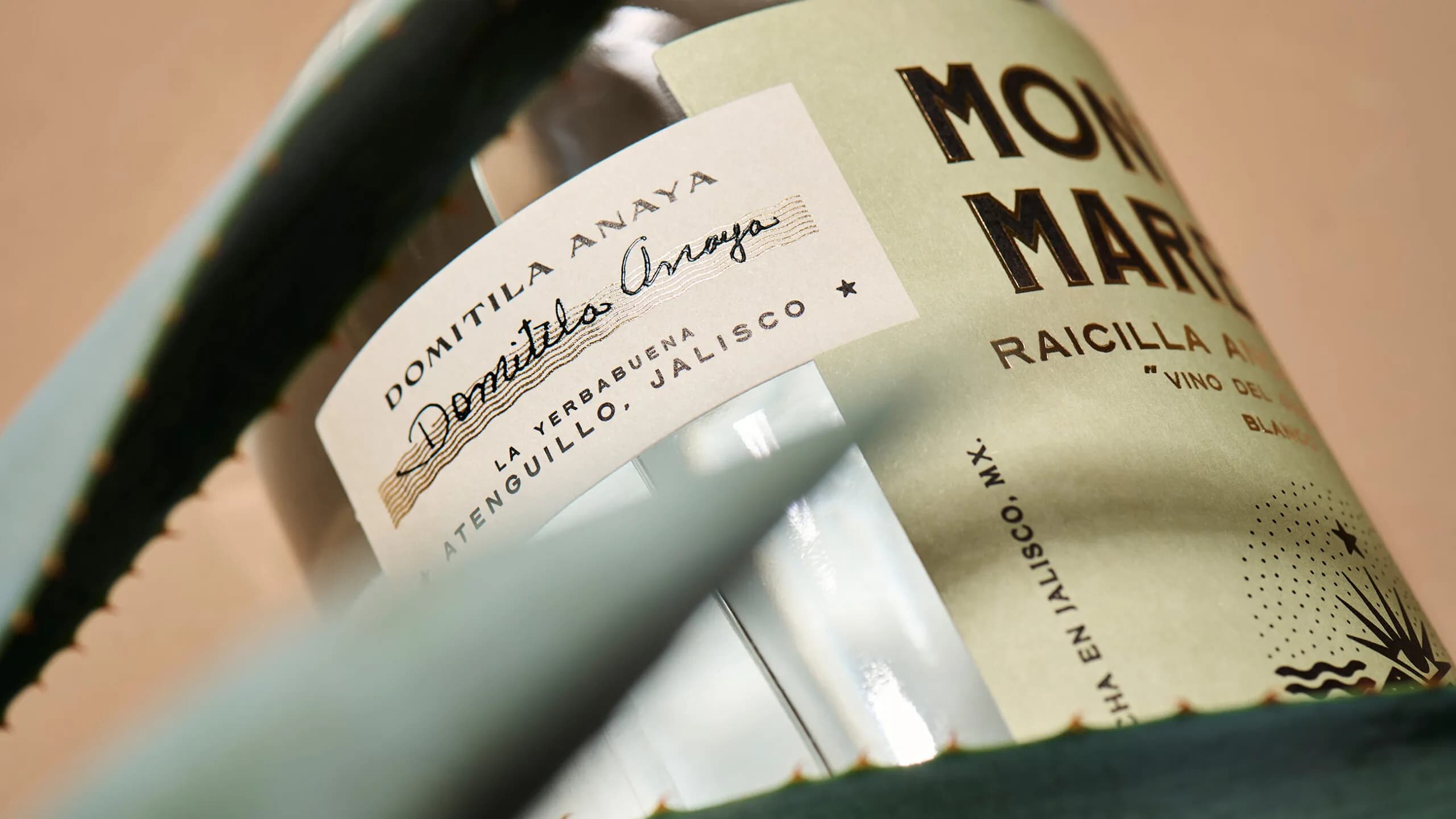
A Sierra raicilla made with maximiliana and cooked in an adobe oven may be a sensible starting point for drinkers attracted to herbal, floral, or citrus-driven spirits. Someone interested in smoke, fermented fruit, savory depth, or more pronounced texture might begin with a coastal bottling from Cabo Corrientes.
Higher alcohol is not automatically an indication of poor quality. Many traditional agave spirits are bottled at strengths that preserve aromatic compounds, texture, and the producer’s preferred balance. The better question is whether the alcohol feels integrated with the character of the spirit.
Raicilla can be served in a small glass and tasted slowly at room temperature. The first sip may function primarily as an introduction to the alcohol. The spirit often becomes more expressive after a few minutes of air and a second, smaller taste.
The purpose is not to decode every aroma correctly. It is to notice how the liquid changes.
Producers and Bottles Worth Knowing
The category is still comparatively small, and availability varies considerably between Mexico, the United States, Canada, and Europe. The following names are therefore not presented as a definitive ranking, but as useful points of entry into different regions, production methods, and interpretations of raicilla.
La Venenosa has played a significant role in introducing drinkers outside Jalisco to the category’s internal diversity. Rather than presenting raicilla through one standardized house style, its bottlings have represented different communities, agave varieties, maestros, and production systems. Some releases offer floral, maximiliana-led expressions from the Sierra, while others reveal the smoke, texture, and fermentation character associated with coastal production.
Estancia produces raicilla in La Estancia de Landeros, in the Sierra region of Jalisco. Its work offers a useful reference for the brighter and more botanical side of mountain raicilla, where roasted agave may be accompanied by floral, citrus, herbal, and mineral impressions.
Tesoro del Oeste, based in San Sebastián del Oeste, provides one of the article’s clearest links between raicilla’s mountain origin and the broader cultural orbit of Puerto Vallarta. The producer works with Sierra agaves that include Agave maximiliana and Agave inaequidens, species associated with the cooler, forest-influenced landscapes surrounding the historic mountain community.
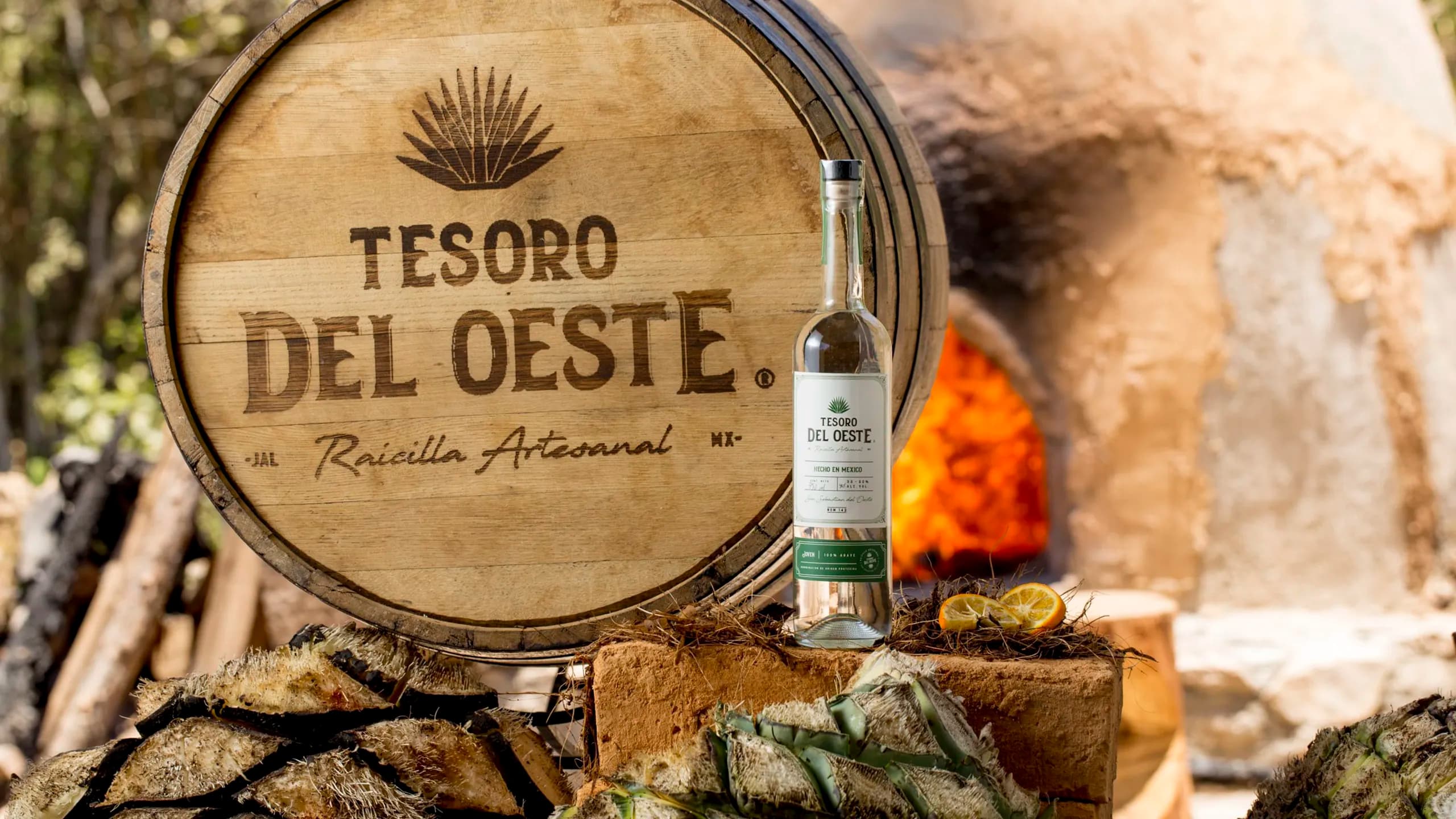
Its relevance lies not only in the bottle, but also in the way the producer makes the category more accessible. Tesoro del Oeste operates a taberna in San Sebastián del Oeste where visitors can learn about the production process and taste different expressions close to their place of origin. The brand presents raicilla both as a traditional sipping spirit and as an ingredient capable of entering contemporary regional mixology. This makes it a useful reference for understanding how an older mountain distillation practice is moving into the restaurants, tasting rooms, and bars that connect San Sebastián del Oeste with Puerto Vallarta. The producer’s official materials place its facilities in the center of San Sebastián del Oeste, while the regional Raicilla Route currently lists guided taberna visits and tastings.
Atarraya works from Puerto Vallarta through a network-oriented model connected to coastal producers and raicilla culture. Beyond its bottlings, the project helps translate the remote world of the taberna into an urban context through tastings, education, and guided experiences. Its presence illustrates Puerto Vallarta’s growing role as the place where producers, bartenders, residents, and visitors encounter the category.
Mezonte is not simply a conventional spirits label. It is an organization devoted to documenting and preserving the biocultural value of traditional agave distillates. Its work with Hildegardo Joya—widely known as Japo—in Cabo Corrientes provides a particularly direct encounter with coastal raicilla and its characteristic Filipino-style distillation.
Other names that may appear on thoughtful agave lists include Bonete, Aycya, and small producer-specific releases that circulate only in limited quantities. As with wine, coffee, regional cheese, or other agricultural products shaped by origin, learning the producer, agave, and community can eventually become more informative than recognizing the most visible label.
From the Taberna to the Table
Raicilla’s next chapter will not be written only in distilleries or export markets. It is also taking shape in kitchens, dining rooms, hotel bars, tasting counters, and independent cocktail programs.
Puerto Vallarta is particularly important in this transition. The city is not the historic center of all raicilla production, but it has become one of the category’s principal gateways. It is where bottles from distant mountain and coastal communities reach visitors, chefs, bartenders, collectors, and restaurateurs. Official tourism programs now promote guided tastings, taberna visits, and raicilla-centered experiences as part of the region’s cultural offering.
This creates possibilities beyond serving the spirit alone.
A bright Sierra raicilla can engage with citrus, fresh herbs, delicate seafood, green vegetables, and lighter preparations. Coastal raicilla may have enough smoke, acidity, fermentation character, and savory depth to accompany grilled fish, shellfish, roasted chiles, aged cheeses, adobos, or dishes built around fire.
These are not rigid pairing rules. They are starting points for understanding raicilla as part of a regional table rather than as an isolated novelty.
Cocktail programs introduce another layer. Used without restraint, raicilla’s identity can disappear beneath sugar, fruit, and modifiers. Used thoughtfully, it can give a drink structure, smoke, salinity, herbal complexity, or a distinctive fermented note that tequila may not provide.
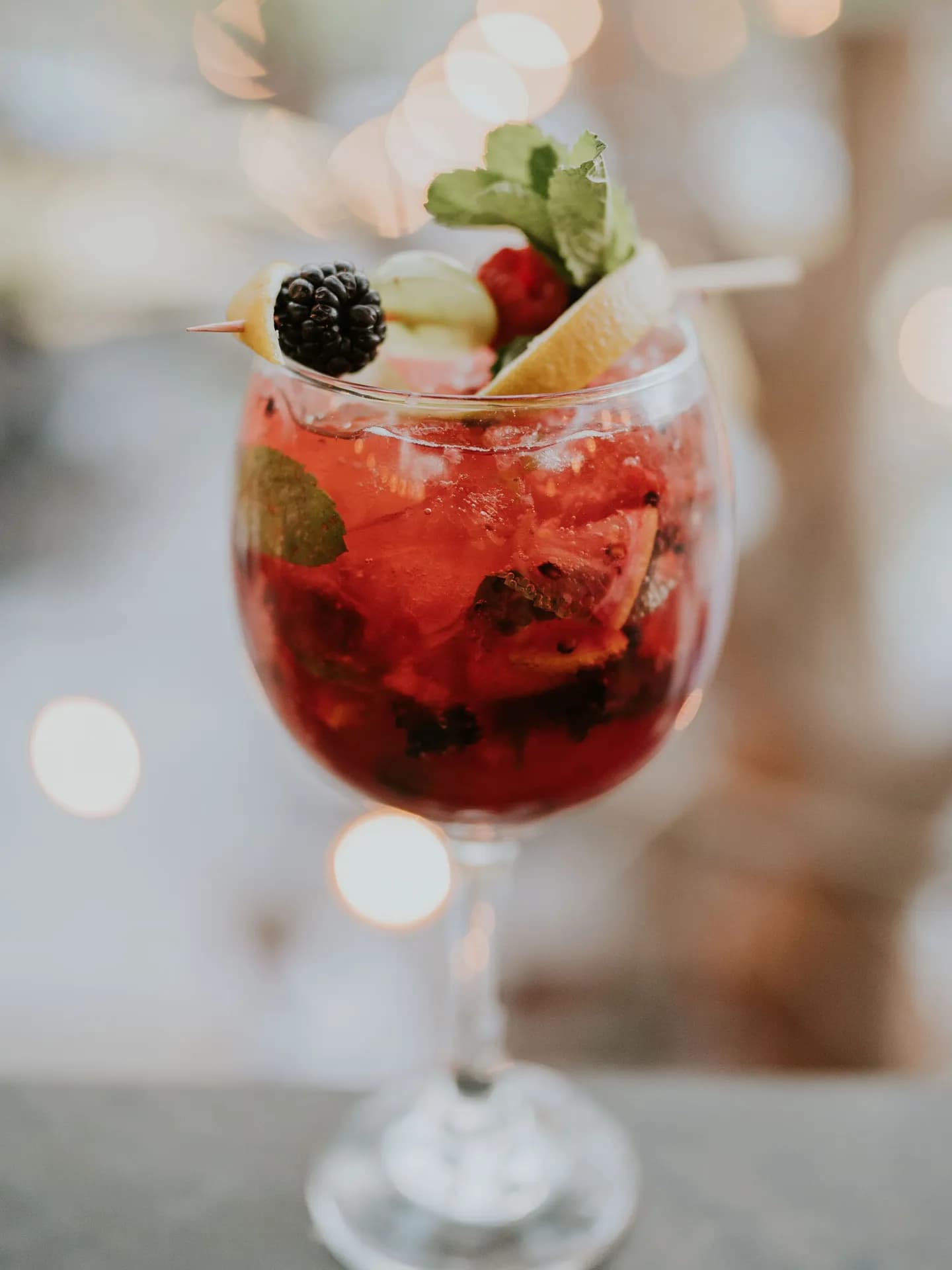
The most interesting bars are therefore unlikely to treat raicilla merely as an exotic substitute in a familiar cocktail. They will ask what the spirit contributes—and whether the drink still allows the agave, producer, and region to remain legible.
A Future Language for Puerto Vallarta and Riviera Nayarit
As the dining culture of Puerto Vallarta and Riviera Nayarit continues to mature, raicilla offers a way to connect several stories that are often told separately.
It connects the restaurant to the rural producer.
It connects contemporary mixology to older fermentation and distillation knowledge.
It connects coastal cooking to the agaves growing in the hills beyond the city.
And it connects hospitality with a more specific understanding of regional identity.
Future conversations about the area’s gastronomy can therefore move beyond lists of recommended restaurants. They can examine which kitchens are working seriously with local products, which bars understand traditional agave spirits, how chefs build pairings around coastal and Sierra expressions, and whether the value created at the table travels back toward the families maintaining the production tradition.
That distinction matters. Raicilla’s growing visibility can create better economic opportunities for small producers, but attention also brings pressure: demand for greater volume, younger harvested agaves, simplified flavor profiles, and branding that can become more visible than the people making the spirit.
The objective should not be to turn raicilla into the next tequila.
It should be to give the category enough recognition, value, and commercial stability to endure without removing the variation that makes it meaningful.
What the Glass Holds
Raicilla is sometimes introduced as Mexico’s overlooked agave spirit. That description may attract initial attention, but it no longer explains very much.
Its real importance lies elsewhere.
A glass of raicilla can contain a decade of plant growth, a particular hillside, the microbial life of one taberna, the design of an oven, the material of a fermentation vessel, the judgment of a maestro, and the inherited memory of a family.
It can taste precise or unruly, floral or smoky, clean or deeply fermented. It may not offer the immediate familiarity of tequila, and it should not be expected to.
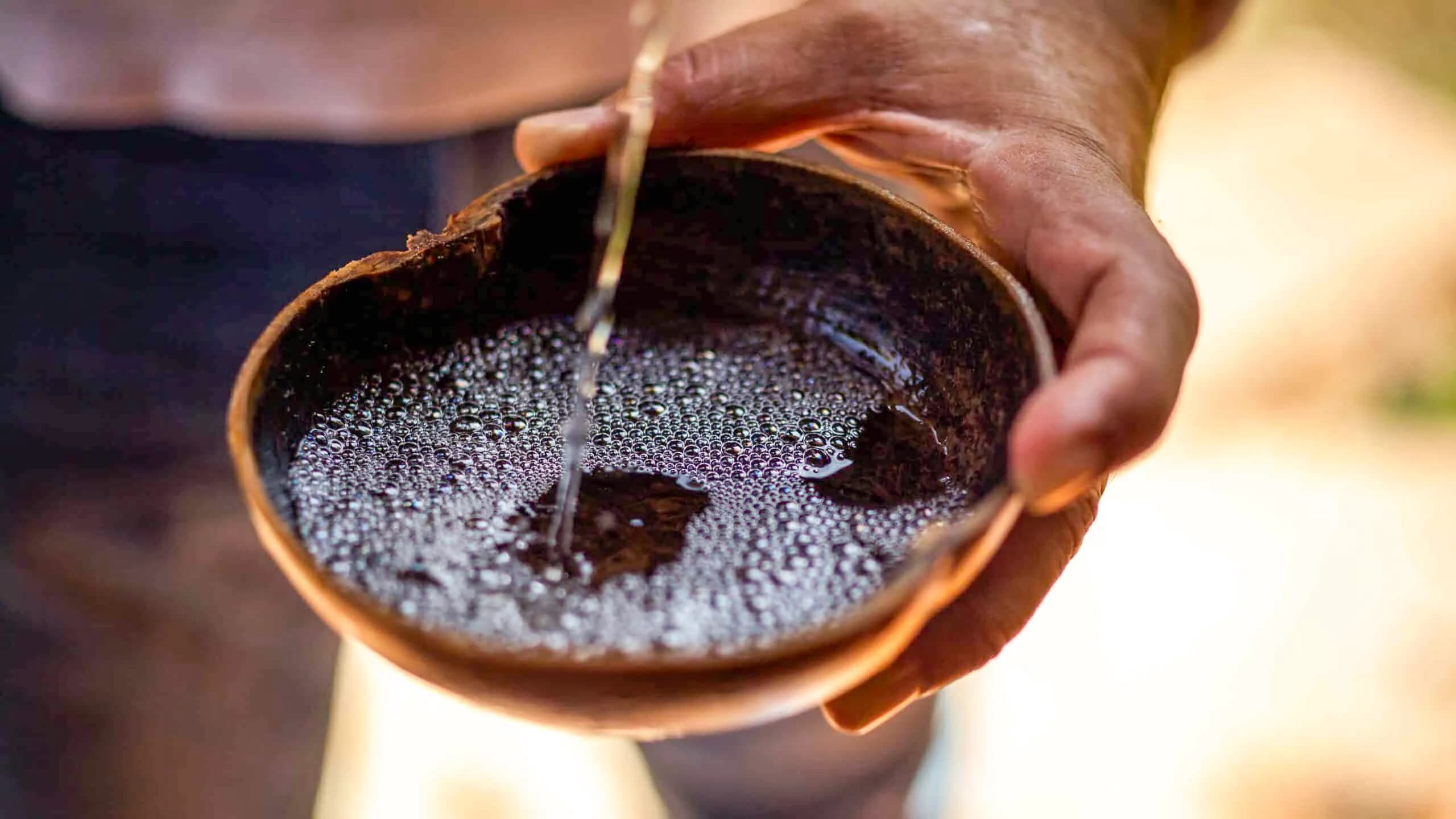
Raicilla asks the drinker to pay attention—not only to flavor, but to origin.
And along Mexico’s Pacific coast, where the distance between agave country, restaurant culture, and the sea can be measured in a few hours, that attention opens a much larger story about how a region grows, cooks, drinks, and represents itself.
Raicilla is a high-proof alcoholic beverage and is best experienced slowly, in small quantities, and with appropriate food and water. Responsible consumption also means never driving after drinking, respecting personal and medical limits, and remembering that understanding a spirit does not require consuming it in excess.
Filed under