
Was Coffee Ever Meant to Be Coffee?
Following a Mexican cup in reverse—from roasted aroma to fruit, forest, fermentation, and the hands that sustain life in the mountains.
By LUUMHAUS
| Last Reviewed:
Under the tall walnut trees, I hold a warm cup between my hands. The morning is cool here in the mountains, and light moves slowly through the canopy, slipping between branches before it reaches the coffee plants below. Somewhere nearby, water runs over stone. A bird breaks the silence; another answers from deeper in the forest.
I raise the cup. The first aroma feels familiar: toasted grain, dark cacao, perhaps walnut. Beneath it comes a delicate sweetness, followed by an earthy note that seems to belong as much to the damp ground beneath my feet as to the roasted beans in the cup.
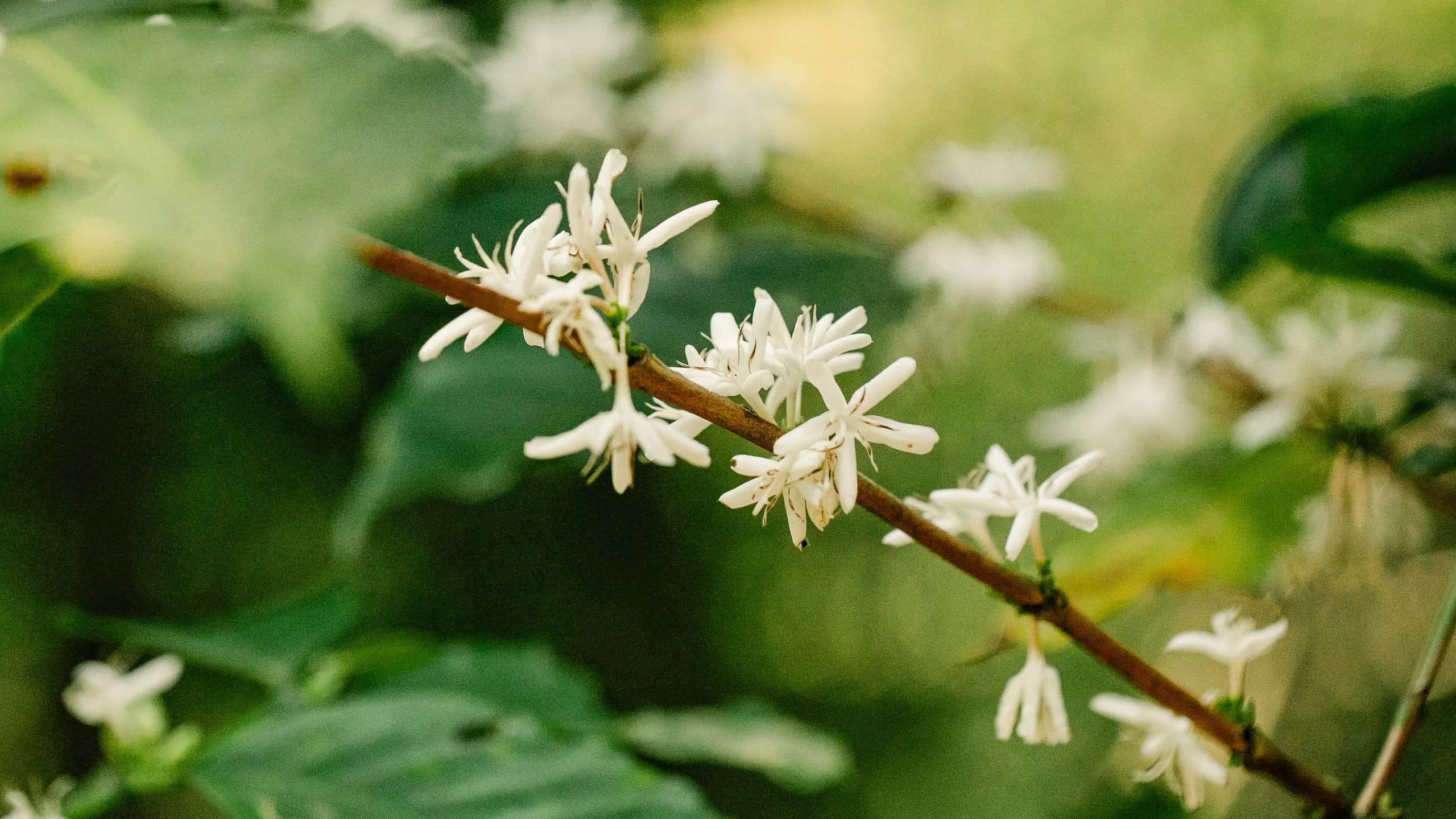
I take a sip and begin to wonder whether coffee was ever truly meant to be coffee, or whether coffee is simply the last name we choose to give it. Before the cup, it was a seed. Before the seed, a fruit. Before the fruit, a white flower carrying a faint jasmine fragrance. Before the flower, a plant growing beneath walnut, citrus, banana, avocado, or chalum trees. Before the plant, there was a hillside, a rainy season, and a family’s decision to keep cultivating land that may already have sustained several generations.
The drink between my hands is merely the last visible form of a much longer story. And so I begin to follow it backward.
The Fruit Hidden Inside the Word
Coffee does not begin brown. It seems obvious once said aloud, yet it is remarkably easy to forget. The contemporary experience of coffee has taught us to recognize it as a dark liquid, a roasted bean, or a sealed package waiting beside a grinder. By the time it reaches a kitchen or coffee bar, almost every trace of the original plant has disappeared.
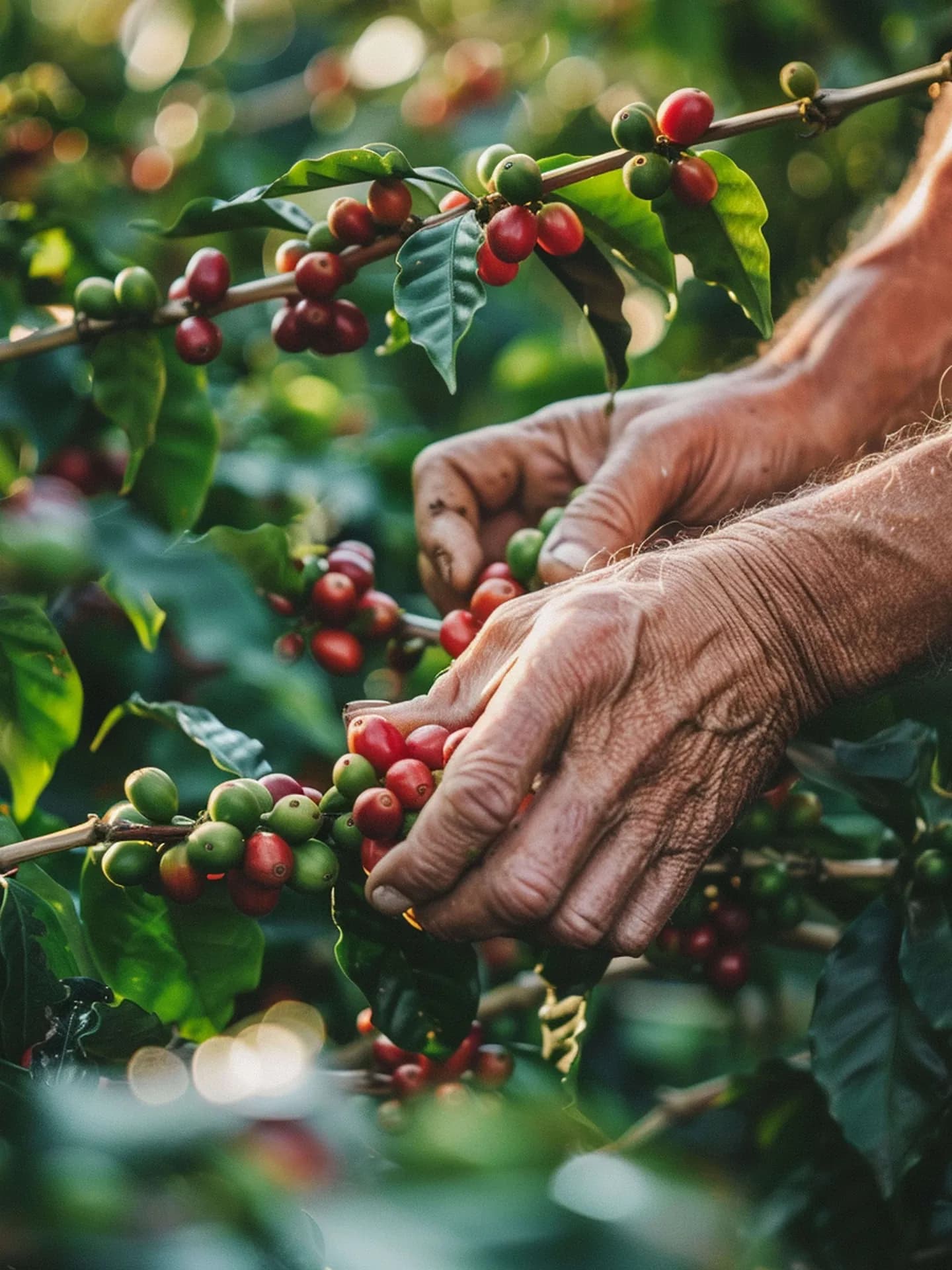
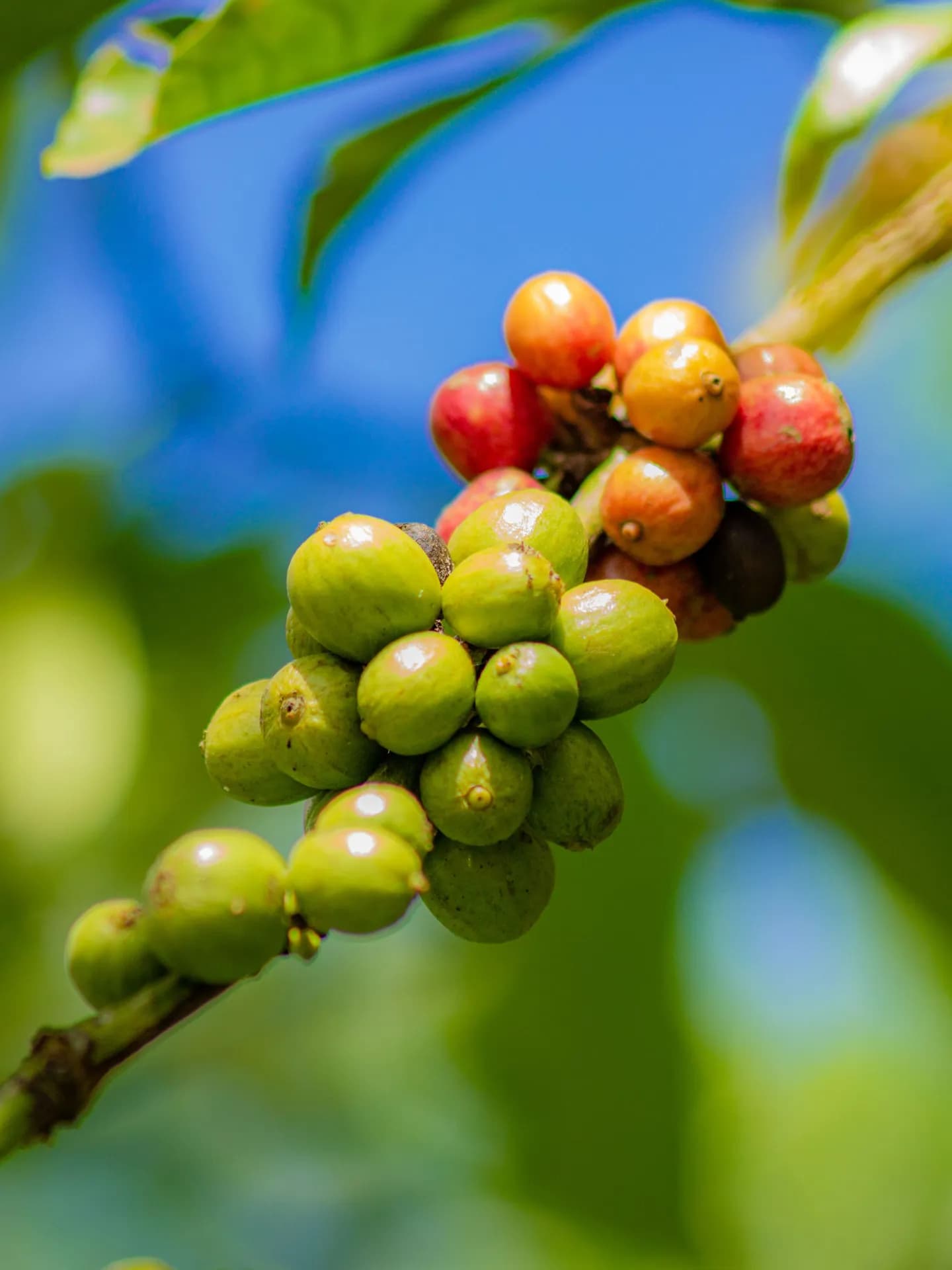
On the branch, coffee looks more like a cherry than anything we would place inside an espresso machine. The fruit begins green and slowly ripens toward red, yellow or orange, depending on the variety. Beneath its skin lies a sweet, sticky pulp. Inside that pulp, usually facing one another, are two pale seeds. Those seeds are what we eventually call coffee beans.
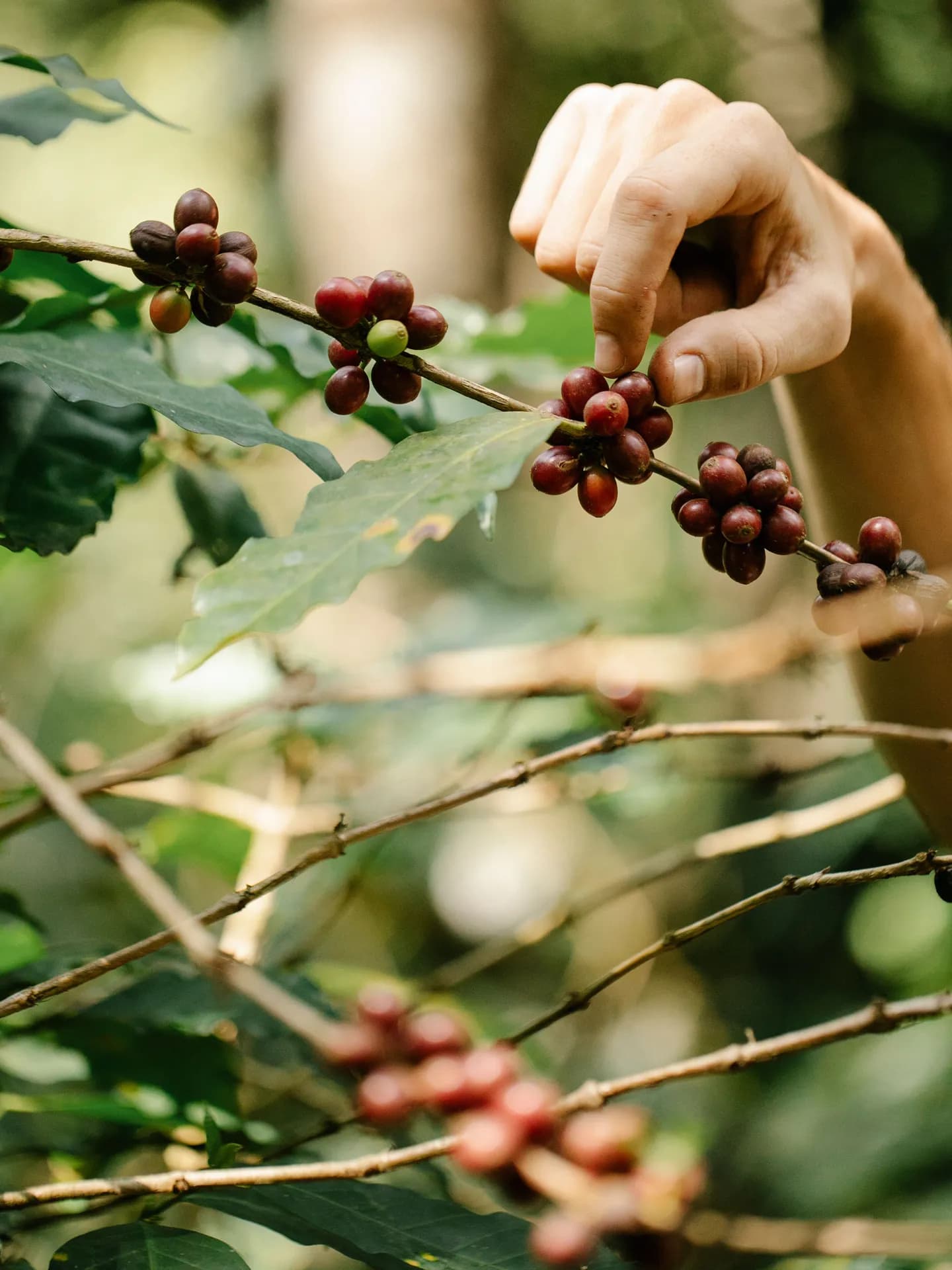
There is nothing inevitable about what happens next. The fruit could remain on the branch, the seeds could return to the soil, and the plant could continue as part of the understory, one more species living beneath the architecture of the forest. Instead, a human hand reaches for the ripe cherry. That gesture marks the beginning of coffee as culture.
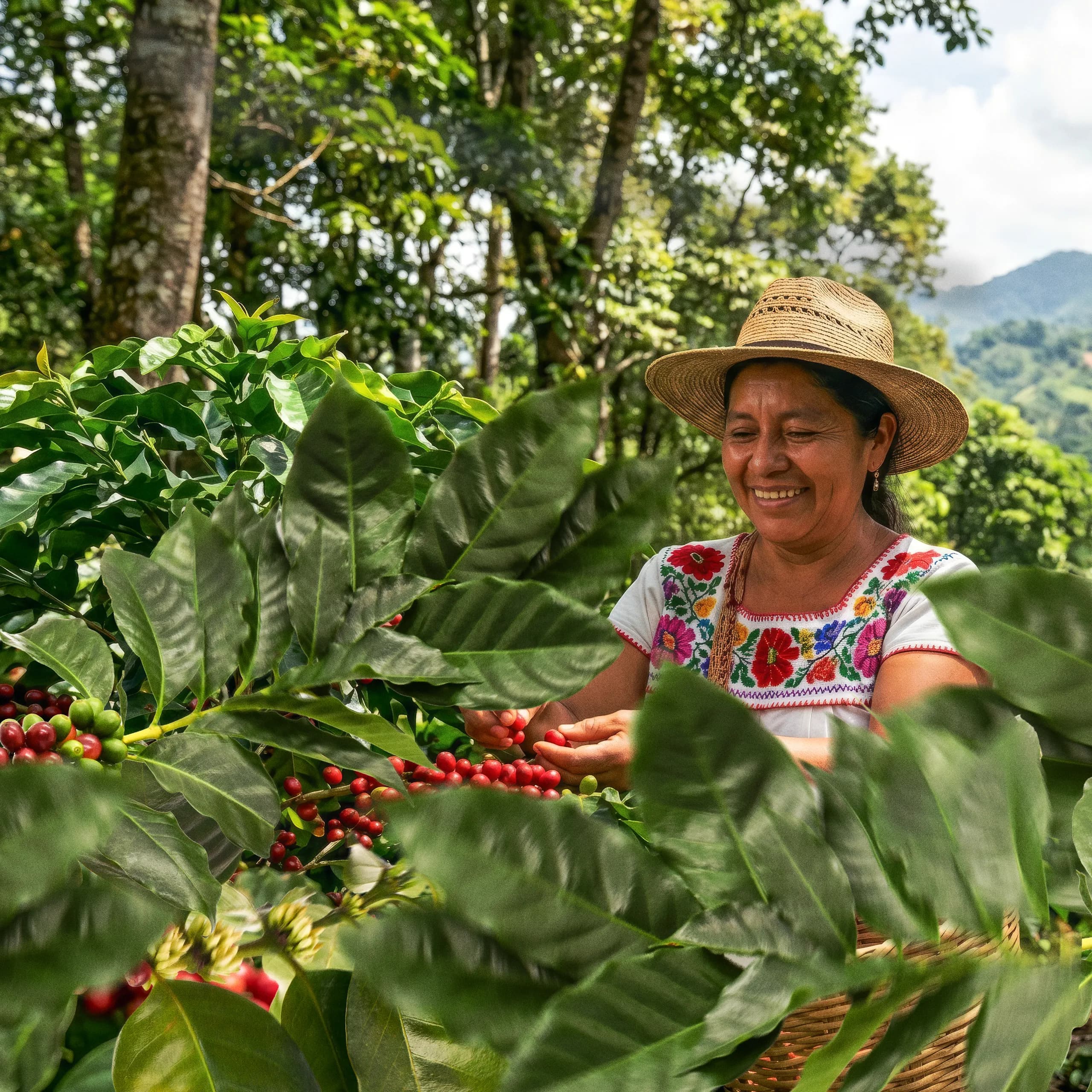
During harvest, the people who carry out the pisca return to the coffee plants several times because the fruit does not ripen all at once. The work is selective and deliberate: ripe cherries are removed while greener ones remain for another day. In many regions of Mexico, this act is called pisca or pizca—a small word for one of the most decisive moments in the entire process. A machine can strip everything from a branch at once, but an attentive hand can choose, and that choice begins shaping the cup long before roasting does.
A Foreign Plant That Took Root in Mexico
Coffee is not native to Mexico. It arrived through colonial routes during the eighteenth century, entering through Veracruz before spreading into mountain regions where altitude, humidity and soil allowed it to establish itself. Its consumption expanded during the nineteenth century, although chocolate remained deeply rooted in the Mexican table and cultural imagination. The plant was foreign; the identity it eventually acquired would not be.
Coffee spread into Chiapas, Veracruz, Puebla, Oaxaca, Guerrero, and other mountain regions. It entered territories already shaped by complex agricultural knowledge, communal systems, and generations of experience reading rain, soil, slope, and forest. The plant may have arrived from elsewhere, but the way it was cultivated became deeply local.
Across Latin America, much of the Arabica planted during coffee’s early expansion descended from the Typica and Bourbon genetic families. Typica travelled through colonial trade routes during the eighteenth century; Bourbon followed through different routes and later became another foundational lineage for coffee cultivation across the continent. Both remain associated with strong cup quality, but also with relatively low productivity and vulnerability to diseases such as coffee leaf rust. Their names survive in Mexican coffee landscapes today: Typica, Bourbon, Pluma Hidalgo, Garnica, Caturra, Catuaí, and Maragogipe. For those outside the coffee world, these names may sound like distinctions reserved for agronomists or specialty baristas. On the farm, however, a variety is not merely a tasting note; it determines how tall the plant will grow, how much fruit it will produce, how it will respond to altitude, how vulnerable it may be to disease, and whether the producer can afford to keep cultivating it.
Typica grows tall and yields relatively little, yet it remains valued for the quality it can produce. Caturra, a natural mutation of Bourbon discovered in Brazil, has a more compact stature and can yield more fruit within a smaller area. Catuaí was deliberately developed by crossing Caturra with Mundo Novo, creating another compact plant with strong productive potential. Pluma Hidalgo, associated with the mountains of Oaxaca, carries the identity of a particular territory in its name. Garnica emerged from breeding work carried out in Veracruz. Maragogipe produces unusually large seeds—the so-called elephant bean—though often in volumes too small for conventional commercial logic.
Each variety embodies a balance among flavor, survival, and livelihood. The question on a farm is never only which will taste best; it is also which will survive the next rainy season, which can resist disease, what the soil can support, what the market will be willing to pay, and whether the next generation will still be there to harvest it.
The Architecture That Shelters the Coffee Grove
The walnut trees above my head are not part of the scenery; they are part of the system. Coffee evolved as an understory plant and does not need the constant exposure of an open field. On many of Mexico’s traditional farms, it grows beneath several layers of vegetation that regulate light, temperature, and moisture.
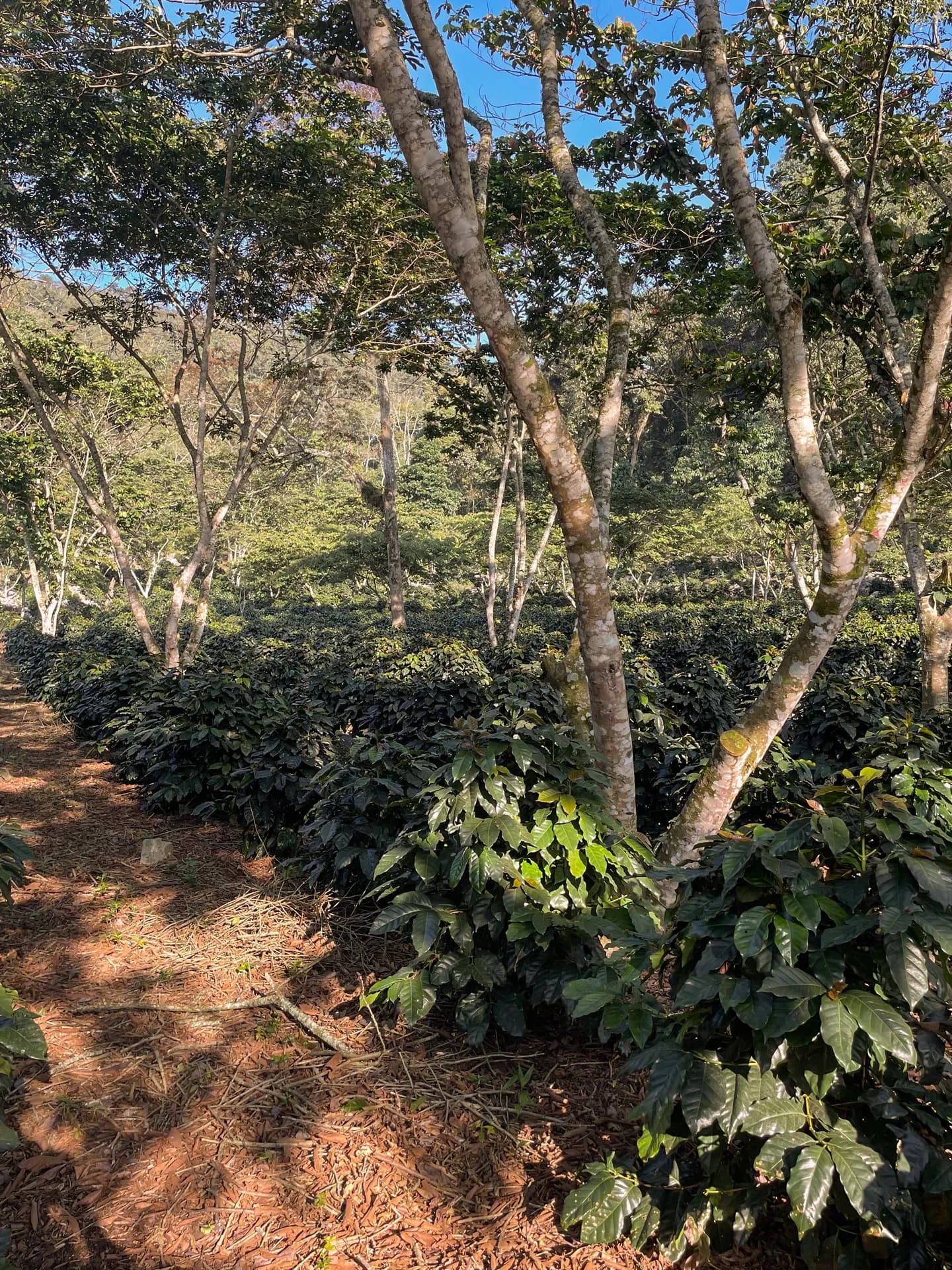
Seen from above, these farms can resemble forest. The tallest trees form the upper canopy, while citrus, avocado, banana, guava, and other fruit-bearing species may grow beneath them. Coffee occupies a lower layer; then come herbs, fallen leaves, fungi, insects, and the countless organisms working within the soil. This vertical order is not accidental. It is agricultural architecture.
Trees soften the intensity of the sun, and their roots help stabilize the slopes. Fallen leaves decompose and return to the soil as organic matter.
Leguminous shade trees, including several species of Inga known locally as chalum, can contribute nitrogen and regenerate quickly after pruning, while fruit trees provide food or an additional source of income when coffee prices fall. Recent analyses of Mexico’s coffee sector indicate that shade-grown Arabica is widespread and that most surveyed producers work beneath substantial tree cover. Intercropping is also common: coffee often shares the land with fruit trees, seasonal crops, and species that support nitrogen availability.
Older agroforestry research describes the same logic in broader environmental terms. Tree cover reduces temperature extremes, helps limit water stress and runoff, returns organic material to the soil, and creates habitat within productive landscapes. These systems may also give small farms a more diversified economic base than a coffee monoculture can offer. Here, the coffee plant does not grow in isolation; it participates. A farm may produce coffee, but it may also preserve bananas for the kitchen, oranges for market, timber for the future, and shade for the soil. Birds move through it, insects pollinate within it, and leaves fall, decompose, and re-enter the system.
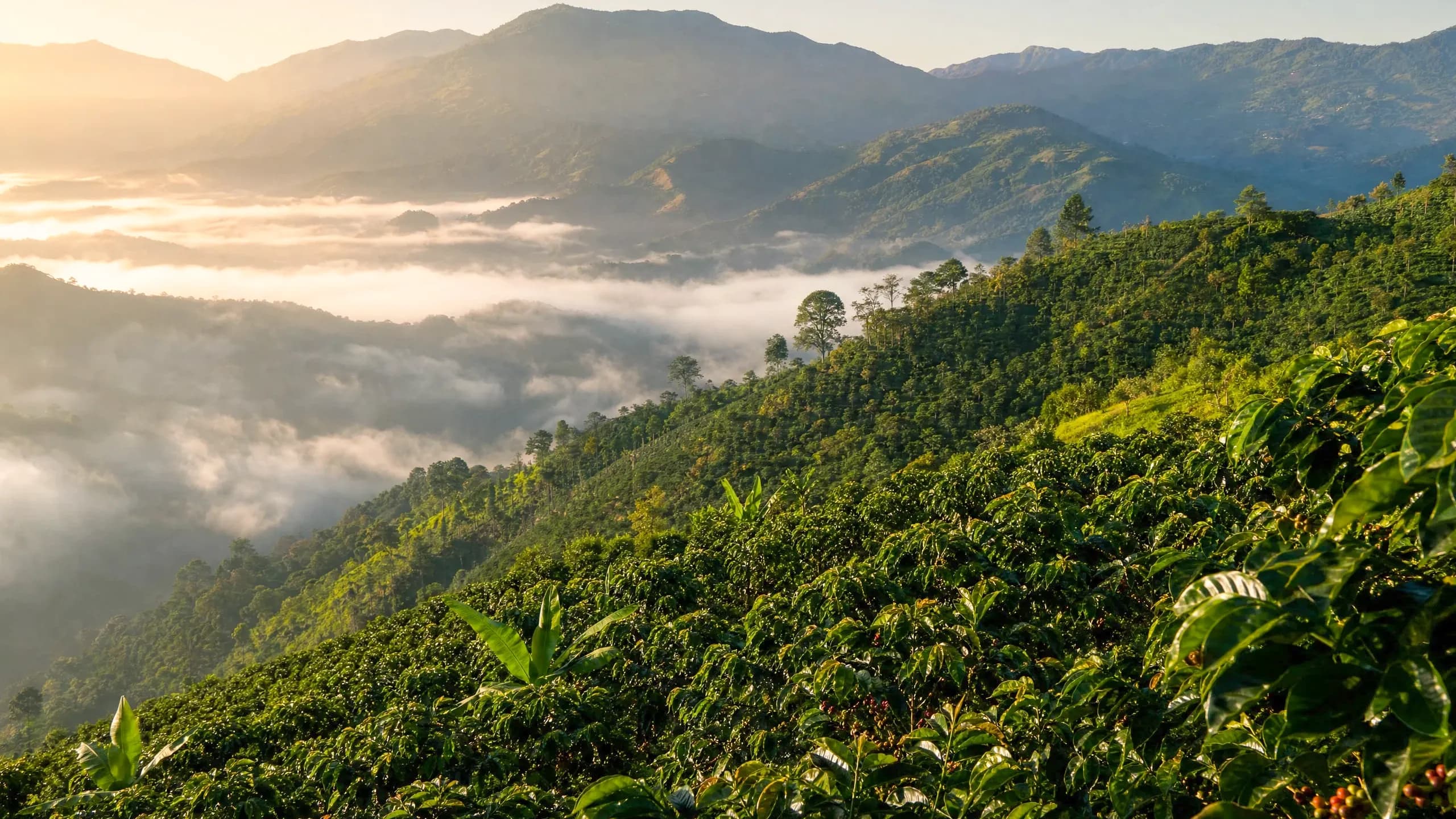
This changes the meaning of productivity. From an industrial perspective, anything that does not directly increase coffee yield may appear inefficient. From the perspective of a family living from the land, the trees surrounding the crop may be precisely what makes the farm viable. The forest is not competing with the crop; it helps make the crop possible.
The Country Inside the Cup
There is no single Mexican coffee profile. The phrase Mexican coffee may locate it on a map, but it says very little about flavor. A coffee from the humid mountains of Chiapas may show chocolate, almond, and ripe fruit, with bright acidity shaped by elevation and Pacific weather systems. Veracruz can offer caramel, spice, citrus, or nutty notes, influenced by Gulf humidity and volcanic landscapes. Puebla’s mountain coffees may be softer, sweeter, and more restrained. Guerrero can lean toward more intense fruit and cacao, while Oaxaca is often associated with balance: delicate acidity, floral aromas, cacao, malt, or red fruit.
Then there is Jalisco. Coffee from San Sebastián del Oeste occupies a smaller place on Mexico’s production map, but that scale is part of its character. In the region, cultivation remains closely tied to family farms and mountain environments, where coffee grows alongside forest species and other crops. The Government of Jalisco has identified coffee as a crop with the potential to contribute to forest restoration and to diversified, sustainable land use in the Sierra Occidental. In these mountains, coffee and agave seem to meet on opposite sides of the road: one ends in a cup; the other, depending on the territory, becomes tequila or raicilla. Their processes and landscapes are not the same, yet both turn patience, craft, and Jalisco’s soil into liquid memory.
In the cup I am holding, I find walnut and dark cacao because those are the associations my sensory memory recognizes. Another person might find toast, dried fruit, cedar, or spice, but that does not mean either of us is literally tasting the soil. A nearby orange tree does not make coffee taste of orange in the simple way a slice of fruit flavors water; the relationship is more complex. Shade changes the pace of ripening, soil structure influences the availability of water and nutrients, altitude changes temperature, post-harvest processing transforms sugars and acids, and roasting rearranges hundreds of aromatic compounds.
What we call terroir does not arise from a single cause. It is the sum of many conditions, and the cup ultimately records how the plant responded to all of them.
Harvest Is Measured by Eye and Hand
Specialty coffee is often explained through numbers: altitude, moisture, roast development, extraction time, water temperature, grams in and grams out. The farm works with another kind of precision. The person carrying out the pisca reads color, feels firmness, knows which cherries are ready and which must remain on the branch, and moves across sloping ground while carrying the growing weight of the day’s harvest.
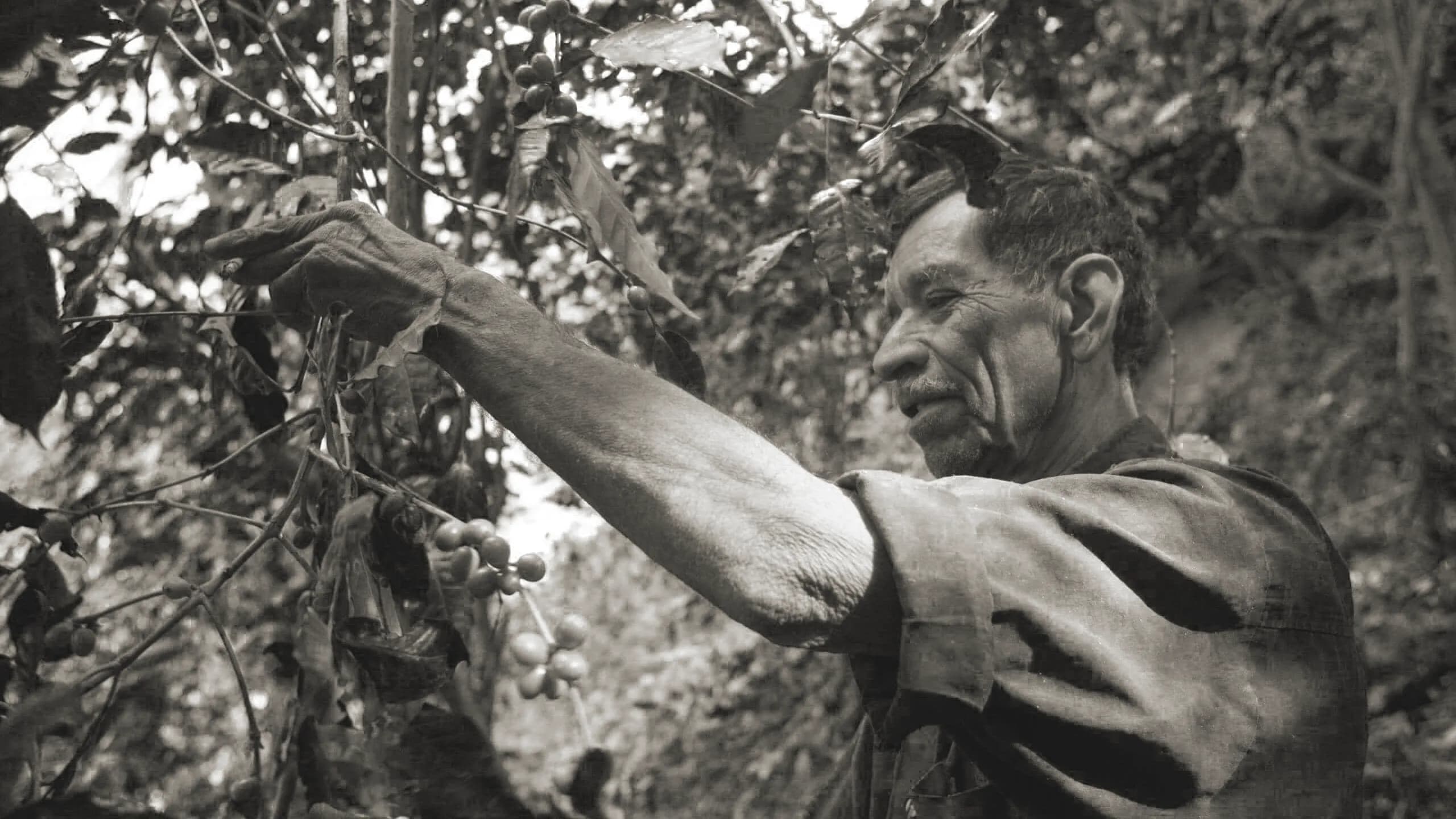
Mexico’s coffee sector rests largely on small plots. The International Coffee Organization estimates that at least half a million people cultivate coffee in the country, with roughly 90 percent of producers working two hectares or less. Coffee production is also closely connected to dozens of Indigenous communities whose agricultural knowledge and labor remain fundamental to the activity. It is difficult to imagine what two hectares represent from the perspective of an international commodity market: they are large enough to demand constant work and, at the same time, small enough for almost every disruption to become personal.
A failed harvest is not an abstraction, and a labor shortage is not a line in a report. An outbreak of leaf rust can move through the coffee plants on which a family depends, while a decline in price may postpone the repair of a roof, a child’s education, or the renewal of the farm itself. After harvest, coffee passes through many hands, but the first economic risk often remains close to the soil. This is one of the contradictions held within the cup: coffee is one of the world’s most recognizable products, yet much of it begins on small plots the person drinking it will never come to know.
The closer coffee moves to the consumer, the more visible its branding becomes. The closer it moves to its origin, the more visible the labor that made it possible becomes.
Fermentation: The Moment Coffee Begins to Speak
Once coffee leaves the tree, time begins to matter. The ripe cherry that only hours earlier belonged to a branch must now be transformed, and somewhere in that transition the fruit begins its long departure from what it was in the field toward what we will eventually recognize in the cup.
This is one of the more curious parts of coffee. Before it is roasted, ground, or brewed, it passes through a world shared with bread, cacao, wine, and many of the fermented foods humans have learned to shape over centuries. Yeasts, bacteria, temperature, moisture, time, and the sugars surrounding the seed all participate in the process. The producer's work is not simply to allow fermentation to happen, but to understand when it has done enough.
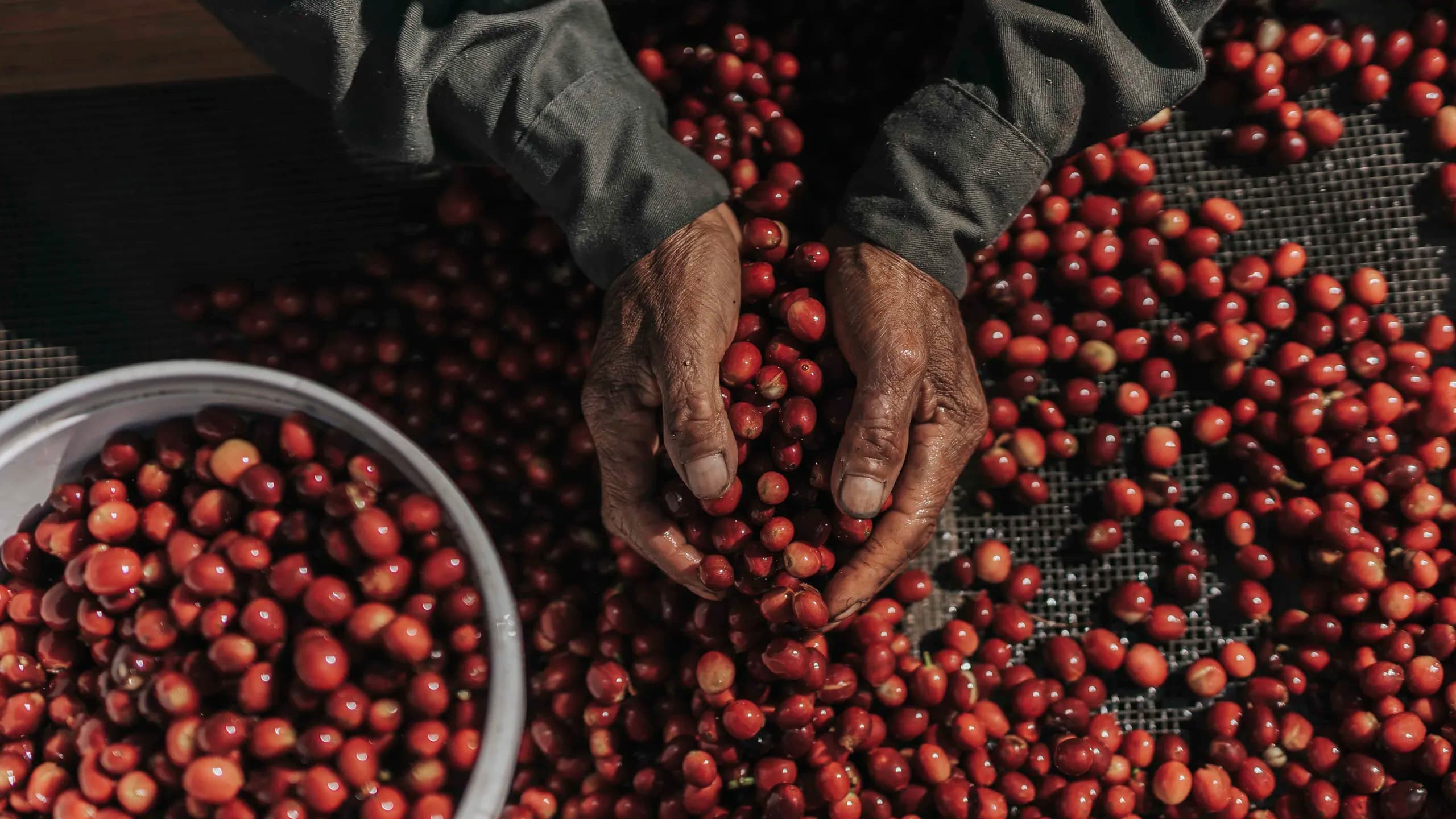
In much of Mexican coffee production, the traditional washed process removes the skin and most of the fruit before fermentation helps release the remaining mucilage around the seeds. The coffee is then washed and carefully dried. Other producers leave more of the fruit intact: in honey processing, some mucilage remains during drying; in natural processing, the entire cherry dries around the seed. Each choice changes the conditions in which the coffee develops and, eventually, some of what we perceive as sweetness, acidity, body, and aroma.
Today, some producers take this experimentation further, using sealed vessels, prolonged fermentations, reduced-oxygen environments, or selected microorganisms. These techniques have expanded the vocabulary of contemporary coffee and, at times, produced remarkably expressive profiles. Yet the more interesting question may not be how unusual a coffee can be made to taste, but how precisely the process can reveal what was already there: the variety, the ripeness of the fruit, the altitude, the soil, the climate, and the decisions of the person who cultivated it. In that sense, fermentation becomes part of the coffee’s expression without overwhelming the traces of place and cultivation that gave it character in the first place.
Drying: The Patient Work After Fermentation
After washing—or, in natural coffees, once the cherry has dried around the seed—the bean must lose moisture slowly and evenly. The stage may look simple, but it leaves no room for neglect.
Parchment coffee may be spread across patios, raised beds, or protected drying structures. It must be turned again and again; rain must be anticipated, intense heat moderated, and moisture allowed to leave the seeds without causing mold, instability, or physical damage. The coffee now looks pale, almost unfinished. It no longer resembles the cherry, but it does not yet resemble the roasted bean. This may be the least recognizable form in the entire journey: a seed protected by a dry parchment layer, suspended between agriculture and commerce.
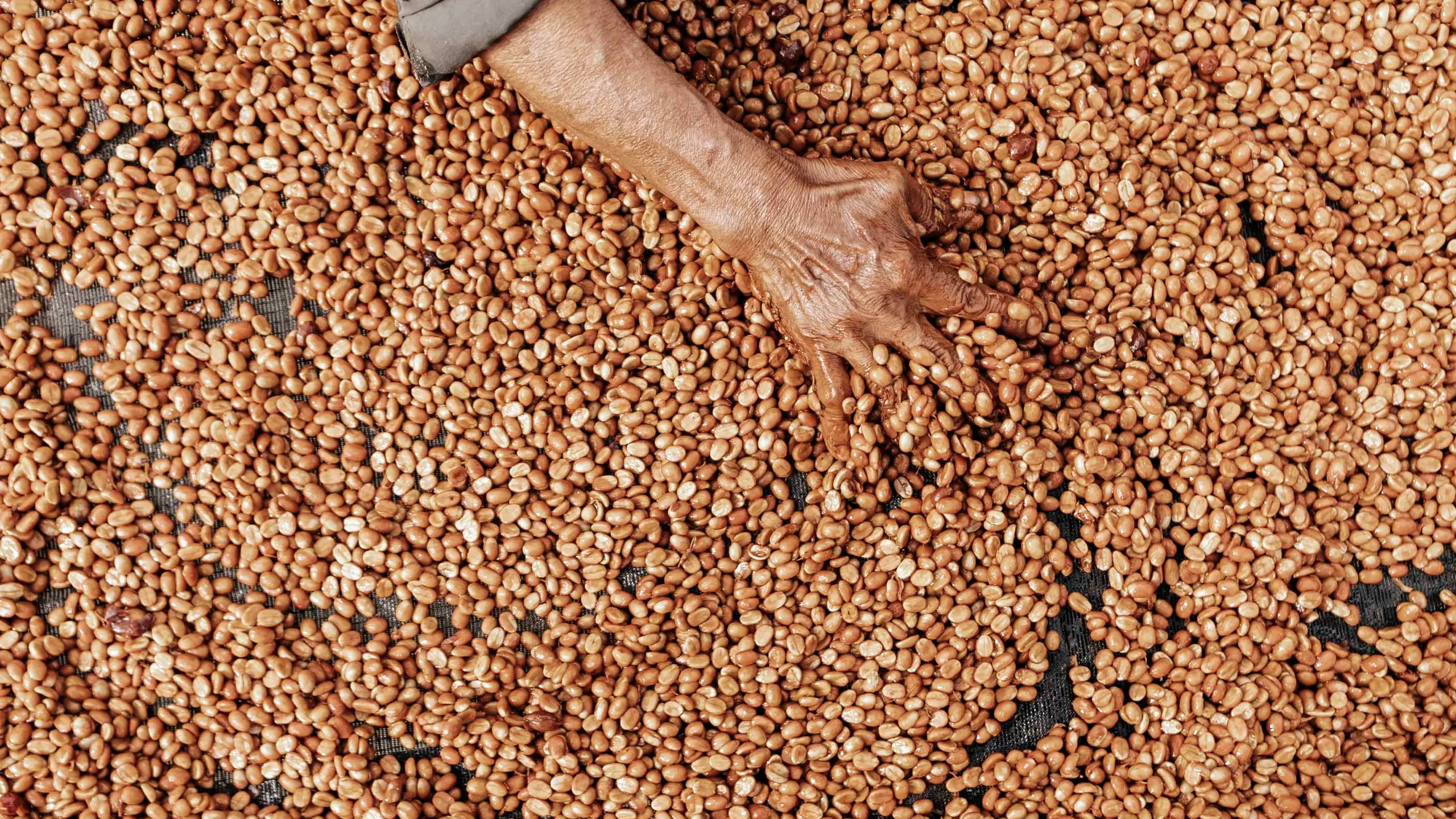
At the dry mill, that parchment is removed. The green coffee is cleaned and sorted, defects are separated, and size, density, and color are evaluated. The lot begins to be described in the language that will carry it to market: region, elevation, variety, process, producer, cooperative, harvest. Traceability tries to preserve the story, while commodity markets tend to erase it. A coffee identified only as México may contain an entire landscape without naming the community, farm, or people who shaped it; a carefully separated microlot attempts the opposite, keeping the lot small enough for its identity to remain recognizable.
But traceability is not automatically the same as justice. Knowing the producer’s name does not guarantee that they received a sustainable price, and an impeccable package can offer real information while still concealing an unequal chain.
Fire Changes Everything
Green coffee retains very little of the fragrance we associate with the drink; the familiar aroma is born of fire. Inside the roaster, water evaporates, the seeds expand, and sugars and amino acids react. The coffee changes color from green to yellow, from yellow to cinnamon, and from cinnamon into progressively deeper shades of brown.
Then comes the first crack. The sound recalls distant popcorn or small twigs snapping as pressure builds inside the bean and is finally released. The bean becomes fragile and gains aromatic complexity. Roasting does not simply reveal flavors already waiting intact inside the seed; it creates them.
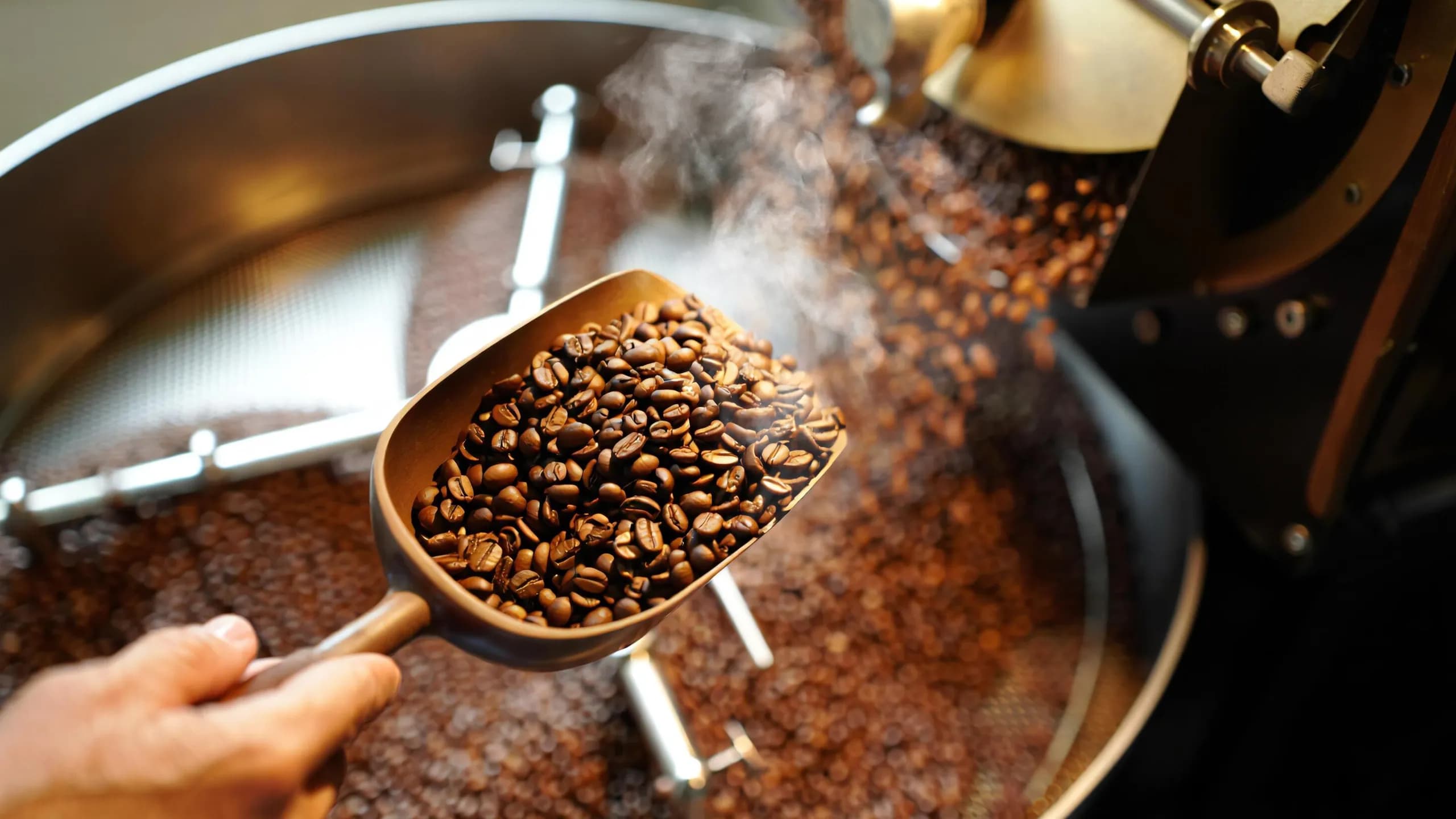
The roaster decides how quickly the bean receives heat, how long development will continue, and when the batch should be released. Too little development can leave a cup sharp, grassy, or hollow, while too much can replace regional character with a generic roast profile of smoke, bitterness, and carbon. A lighter roast may preserve floral, citrus, or fruit-like qualities; a medium roast may move toward caramel, nuts, and chocolate; and a darker roast can emphasize toast, spice, smoke, and bitter cacao.
No roast is universally correct. It should respond to the bean and to the profile being sought. But fire imposes its character, and when roasting dominates, the farm can no longer be heard.
Between Precision and Café de Olla
Back beneath the walnut trees, someone might prepare this coffee with a cloth filter, a metal brewer, an espresso machine, or a carefully calibrated pour-over. Each would offer a different interpretation. Contemporary specialty coffee often pursues clarity: water is weighed, temperature is controlled, grind size is adjusted, and extraction time is measured. The intention is to let the character of a particular coffee express itself with precision.
Café de olla begins with a different intention. Ground coffee infuses in hot water inside a pot, traditionally with piloncillo and cinnamon, and sometimes with clove, anise, or orange peel. The preparation does not isolate the coffee; it folds it into sweetness, spice, fire, and, often, the clay of the olla itself. From one perspective, those additions obscure the coffee’s origin; from another, they reveal its destination.
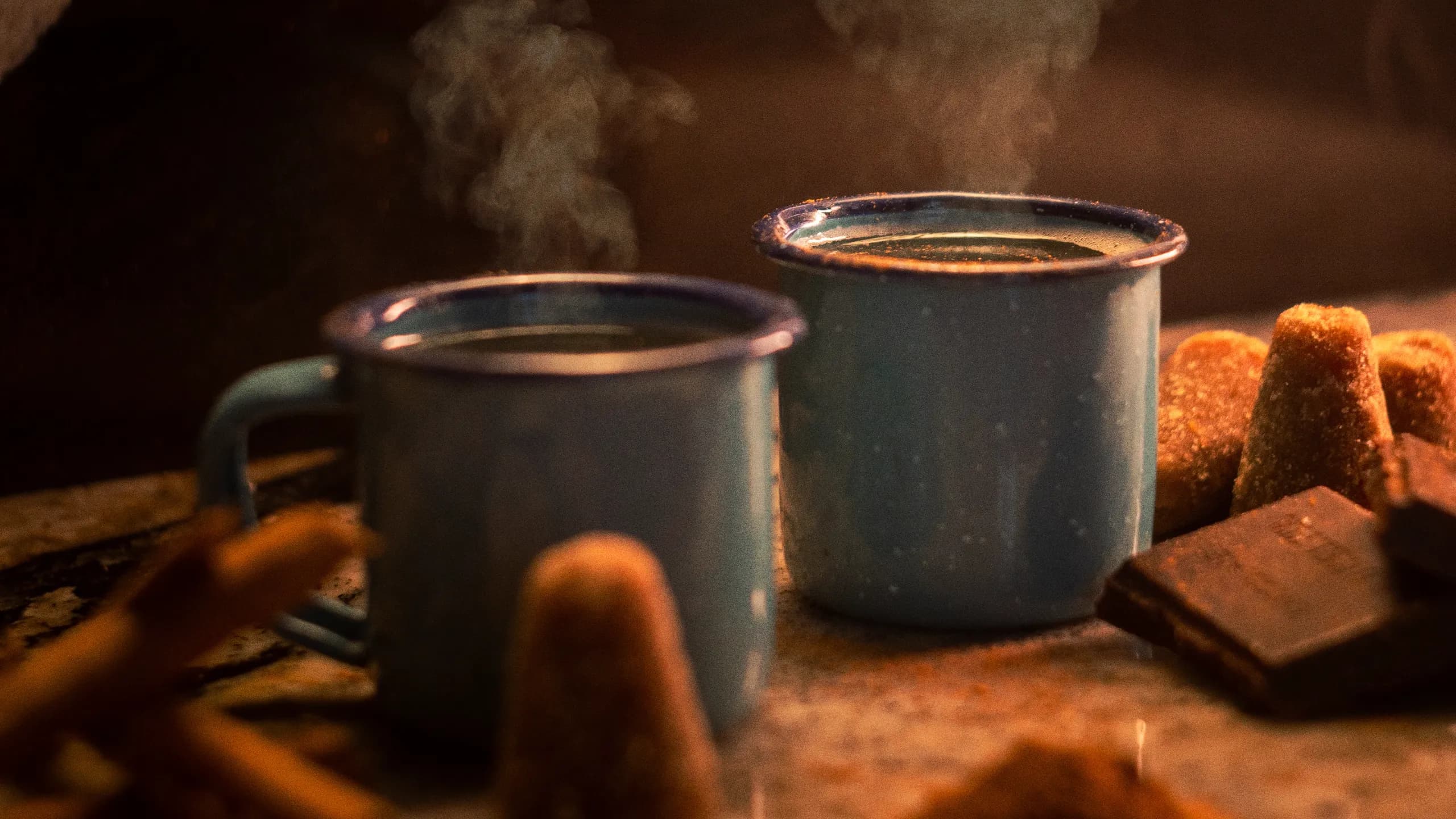
Coffee does not exist only to be evaluated; it also exists to be shared. Café de olla belongs to breakfast tables, roadside fondas, work breaks, family gatherings, and cold mornings. Its value cannot be measured only through the clarity of its acidity or the precision of its extraction.
The specialty cup asks what this bean can express, while the olla asks who is here to drink it. Both questions matter. A coffee culture that values only technical purity risks forgetting why people began gathering around hot drinks in the first place.
What the Cup Does Not Show
The cup between my hands seems serene, but the landscape behind it is not. Coffee leaf rust—la roya—has repeatedly demonstrated how vulnerable Arabica can be. The fungus attacks leaves, weakens plants, and can severely reduce harvests. Typica, Bourbon, and many cultivars descended from them are particularly susceptible, which has pushed producers toward resistant varieties that pair Arabica’s flavor with Robusta’s resilience, thanks to a natural cross known as the Timor Hybrid.
Resistance, however, opens another dilemma. A variety may survive more reliably and produce a different cup. A producer may preserve a traditional variety for its quality while accepting greater risk, while another may renew the farm with hardier plants because survival matters more than prestige.
Climate adds another layer of uncertainty. Coffee depends on a delicate balance among temperature, rainfall, altitude, and seasonality. As mountain conditions change, the zone suitable for Arabica may move upward.
Rain can arrive late, fall too heavily, or disappear during critical stages, while heat can accelerate ripening, alter pest behavior, and reduce the slow development often associated with high-quality coffee.
Agroforestry cannot solve every problem, but it can moderate some of these pressures. Tree cover helps regulate temperature, protect the soil, and diversify the production system. For this reason, international agricultural organizations increasingly regard agroforestry as an important strategy for climate resilience in mountain coffee communities. The future of Mexican coffee may therefore depend on a practice as old as it remains relevant: preserving the trees that shade the coffee grove, not as nostalgia, but as infrastructure.
The Journey Back to the Cup
I return to the drink. It is cooler now, and the initial aroma has softened. As the temperature drops, the coffee seems slightly sweeter and the bitterness less insistent. Beneath the cacao there may be dried fruit, perhaps a citrus note I had not noticed before—or perhaps I notice it now because the cup has forced me to pause.
What appears to be a simple beverage contains an extraordinary sequence of transformations. A flower becomes fruit, and that fruit is selected by hand. The pulp is removed or allowed to dry around the seed; microorganisms change what remains, while sun and air reduce moisture. Machines remove parchment, and human eyes, sometimes aided by sensors, separate defects. Fire rebuilds the seed’s aroma, a grinder fractures it, and water extracts some of its compounds and carries them into the cup.
At every stage, something is gained and something is lost. The cherry loses its pulp, the seed loses its capacity to germinate, and the green bean loses its original structure during roasting. The ground coffee gives itself to water, and by the time we drink it, coffee has surrendered every one of its previous forms. Perhaps that is why it carries so much meaning. It is not simply a product extracted from a landscape; it is a landscape translated through human decisions.
Perhaps It Was Never Only Coffee
Under the walnut trees, the question returns: was coffee ever truly meant to be coffee? Biologically, no. The plant does not produce fruit so that humans can roast its seeds, grind them, and pass water through the fragments; the cherry exists so the plant can reproduce.
Everything after that is culture. We decide to harvest it, ferment it, trade it, sweeten it, and measure it; we build cafés and rituals around it, begin our mornings with it, and extend conversations through a cup.
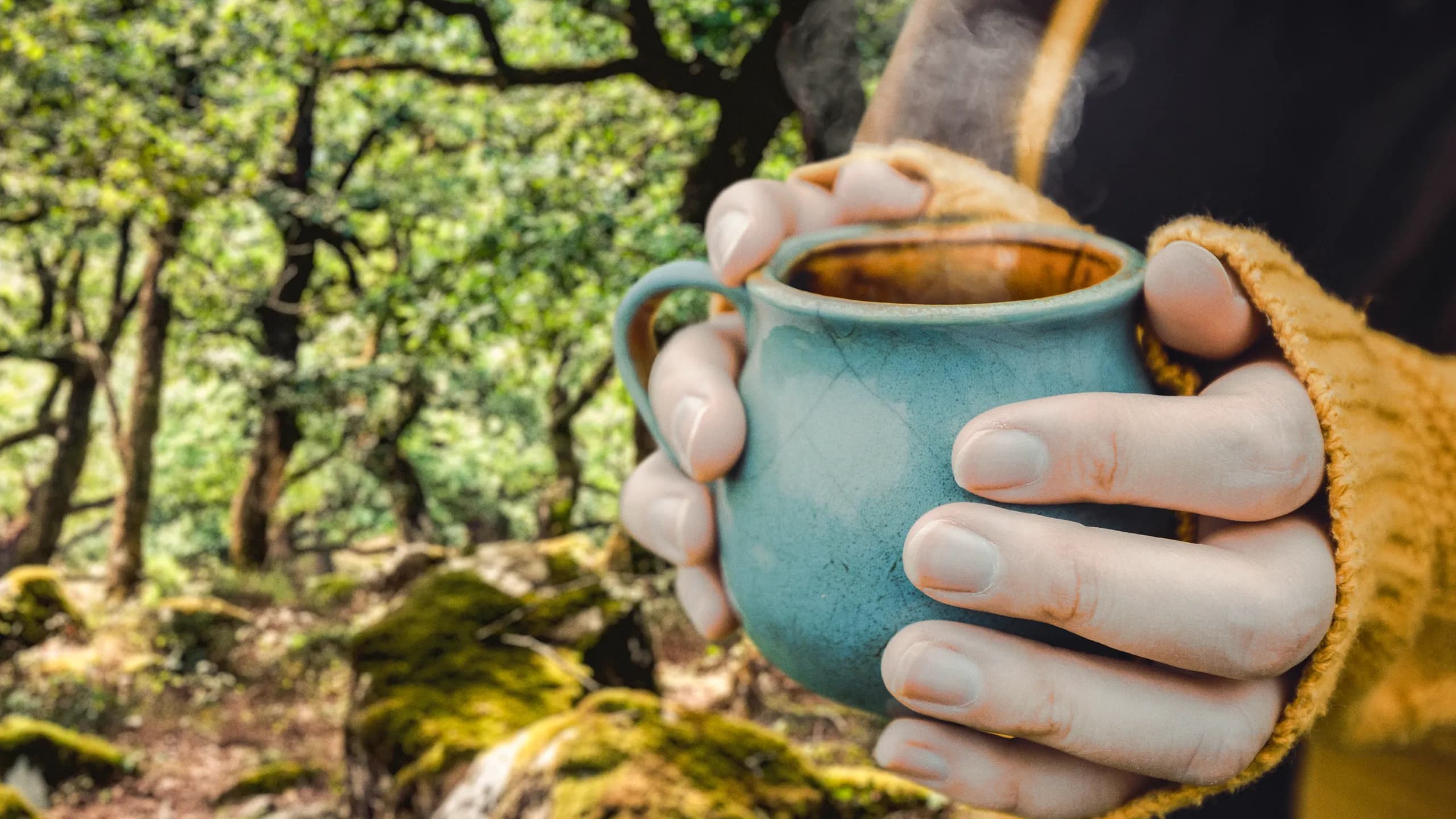
But coffee’s meaning is not contained in the drink alone. It remains in the hillside protected by shade and in the hands that distinguish ripe fruit from unripe. It remains in the fermentation tank, the drying patio, and the judgment of the roaster listening for the first crack. It also remains in the tension between quality and survival, between commodity and identity, and between what the market rewards and what the land can continue to provide.
The cup is not the story; it is where the story becomes a drink. I take the final sip. Only a fine sediment remains at the bottom, and between my hands the cup grows colder.
Above me, the walnut leaves continue moving in the morning air. Below, the coffee plants remain rooted in shade, already beginning the journey toward another harvest. I understand that coffee was never meant to be only coffee.
It was fruit, forest, labor, fermentation, fire, and time.
The drink gave us a way to hold all of it between our hands.
Filed under