
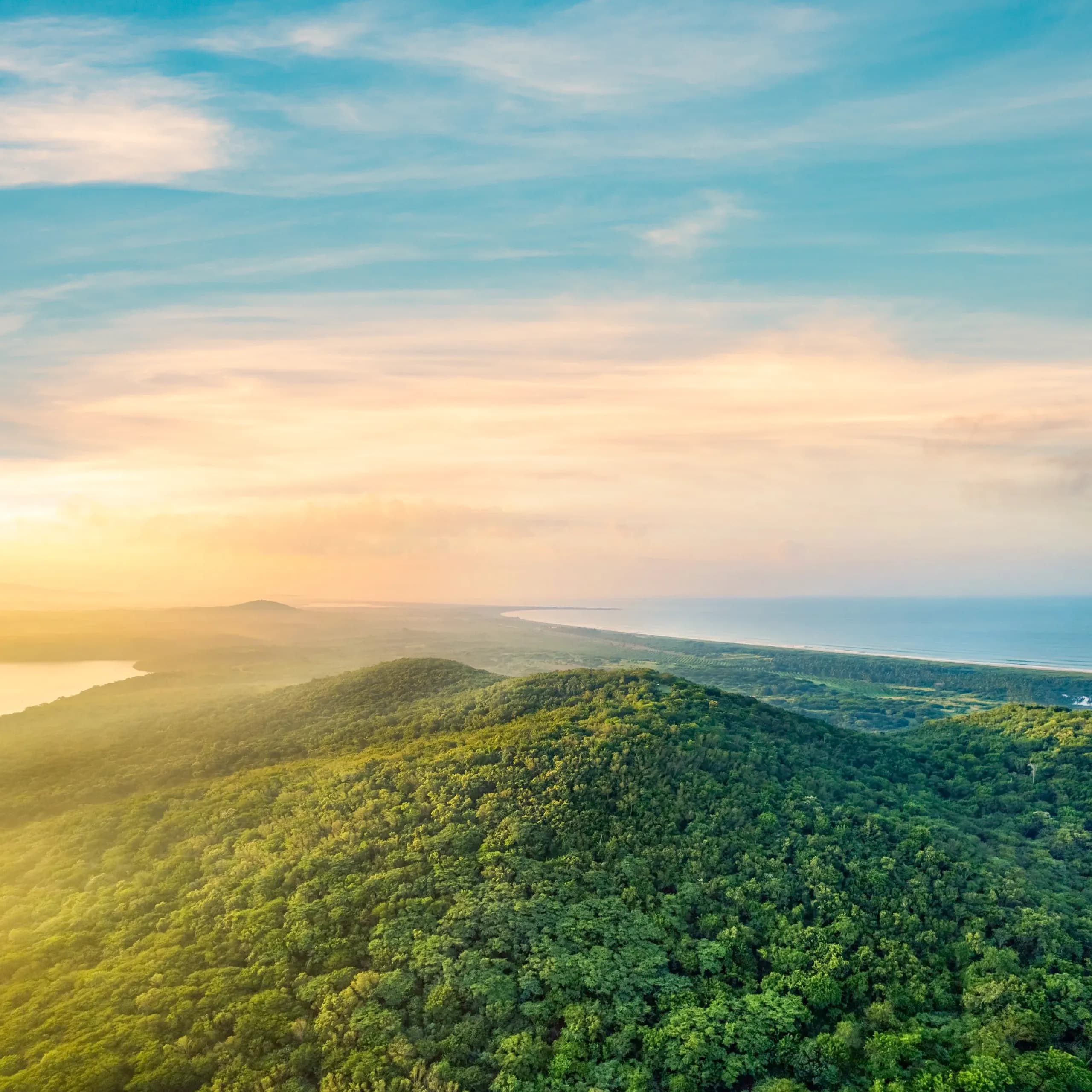
Costalegre and Cabo Corrientes: The Coast That Still Feels Ahead of Its Time
A slow exploration of Costalegre, Cabo Corrientes, and the land opportunities shaping the next chapter of Mexico’s Pacific coast.
By LUUMHAUS
| Last Reviewed:
There are coastlines that announce themselves immediately.
They arrive with marinas, beach clubs, polished storefronts, and the familiar rhythm of a destination that already knows how it wants to be consumed. They are easy to understand because most of the work has already been done. The roads are visible, the brands are established, the lifestyle has been packaged, and the market has already priced much of the future into the present.
Costalegre and Cabo Corrientes feel different.
Here, the Pacific does not behave like a backdrop. It feels larger, darker, more elemental. The beaches are less edited. The water often shifts into a deep blue that feels almost architectural, a kind of natural volume against the cliffs, coves, and long stretches of open coast. The landscape has not yet been simplified into a single lifestyle image. It still asks the visitor to pay attention.
That is part of its power.
South of Puerto Vallarta, Cabo Corrientes marks a change in rhythm. The city begins to loosen. The coastline becomes less urban, less predictable, and more expansive. Villages, forested hills, estuaries, fishing communities, empty beaches, and large tracts of land begin to replace the density of a mature tourism market. Continue farther south and the broader Costalegre corridor begins to unfold: Careyes, Cuixmala, Tamarindo, Xala, Punta Pérula, and the emerging development narratives around Chalacatepec and Tomatlán.
For the traveler, this is a coast to explore slowly.
For the investor, it is a coast to study carefully.
For anyone interested in the future of Mexico’s Pacific, it may be one of the most important regions to understand before it becomes obvious.
A Coast Defined by Space
The first thing to understand about Costalegre is scale.
This is not a compact beach town or a single resort district. It is a long coastal corridor shaped by distance, biodiversity, and low-density geography. Its value is not only in individual beaches, but in the relationship between water, forest, mountains, estuaries, and the still-unfinished character of the places between them.
That unfinished quality matters.
In more mature destinations, the experience is often defined by access. Where is the closest restaurant? How far is the airport? How many services are within walking distance? Those questions matter, of course, but they do not fully explain a region like this. Here, the first question is different: what happens when a coastline still has room to become something?
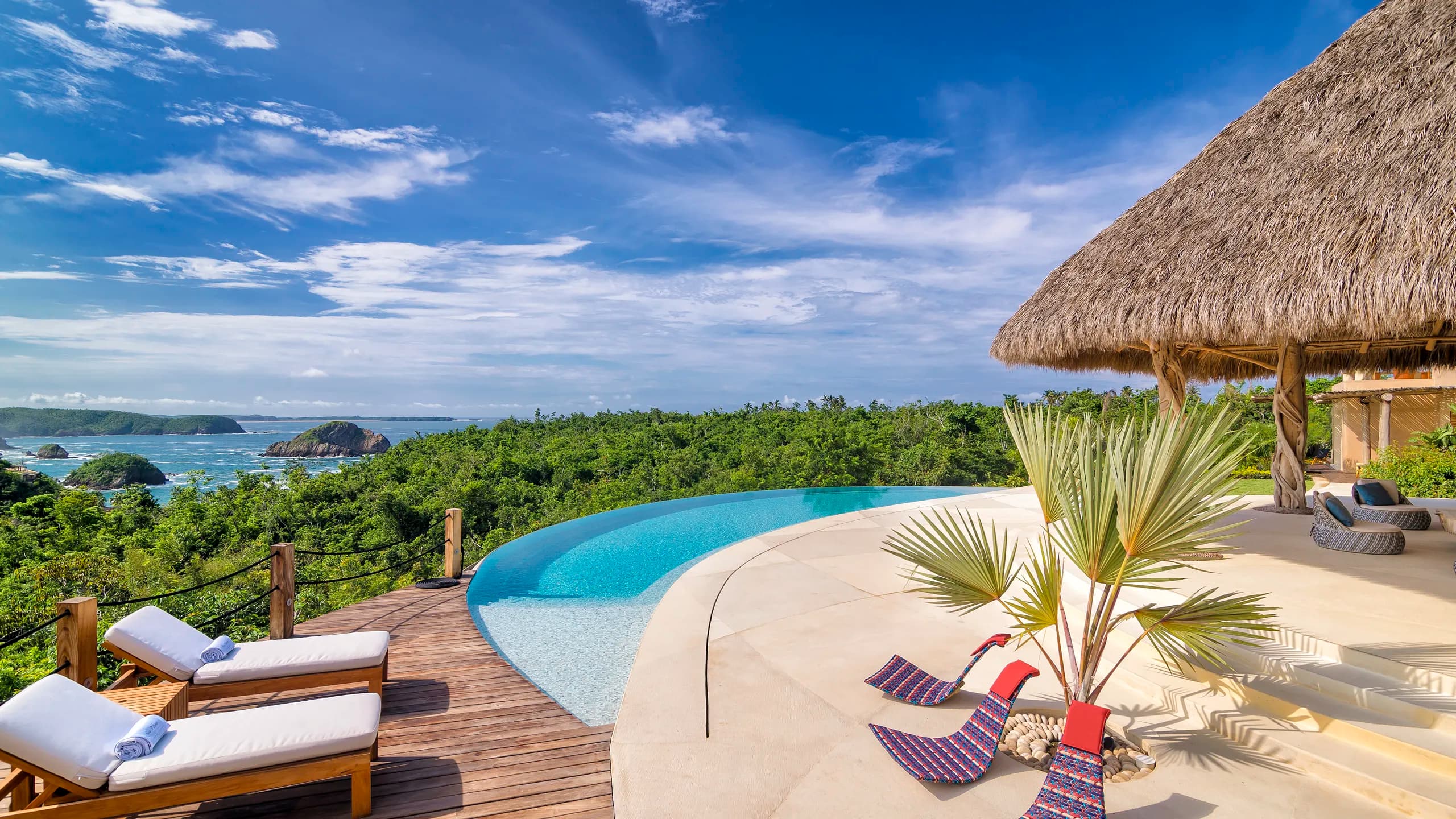
Costalegre is not empty. It has history, communities, private estates, conservation projects, and some of the most sophisticated hospitality concepts in Mexico. But compared with Puerto Vallarta, Punta Mita, Los Cabos, or the Riviera Maya, it still carries a rare sense of spatial possibility. There are places where the landscape remains the dominant presence, where development has not yet overtaken geography, and where the future still feels negotiable.
That is why the region attracts two very different forms of attention.
One is emotional. People arrive and respond to the beaches, the color of the water, the quiet, the drama of the coast, and the feeling that they have reached a part of Mexico that has not been overexplained.
The other is strategic. Investors, developers, and long-term land buyers look at the same landscape and see a different kind of map: large parcels, limited supply, improving access, branded hospitality, conservation-led development, and prices that in some areas still do not fully reflect the long-term trajectory of the corridor.
Both readings are true.
The beauty draws people in. The structure makes them stay interested.
Cabo Corrientes as the Northern Edge of the Story
Cabo Corrientes is often understood through its proximity to Puerto Vallarta, but that is only part of the story. Its real importance may be its position between two worlds.
To the north, Puerto Vallarta is a mature coastal city with established demand, international recognition, airport access, services, healthcare, restaurants, galleries, schools, and residential inventory. It is not merely a resort destination. It is a functioning city with a real year-round life.
To the south, Costalegre opens into something more expansive and less consolidated. The coast becomes quieter. Land becomes larger. Development becomes more selective. The conversation shifts from condominiums and neighborhoods to terrain, access, views, conservation, hospitality, and long-term planning.
Cabo Corrientes sits at this threshold.
That position gives it a particular investment character. It is close enough to Puerto Vallarta to be understood by the market, but far enough south to retain a different pricing logic. It is close enough to benefit from regional curiosity, but still early enough that many parcels are being evaluated by only a narrow group of buyers.
This is where the opportunity becomes interesting.
In a place like Puerto Vallarta, much of the value is already visible. In a place like Cabo Corrientes, value is often tied to interpretation. The buyer has to understand not only what the land is today, but what the surrounding region is becoming. That requires patience, local knowledge, legal discipline, and a longer time horizon.
It also requires imagination.
Not fantasy. Imagination.
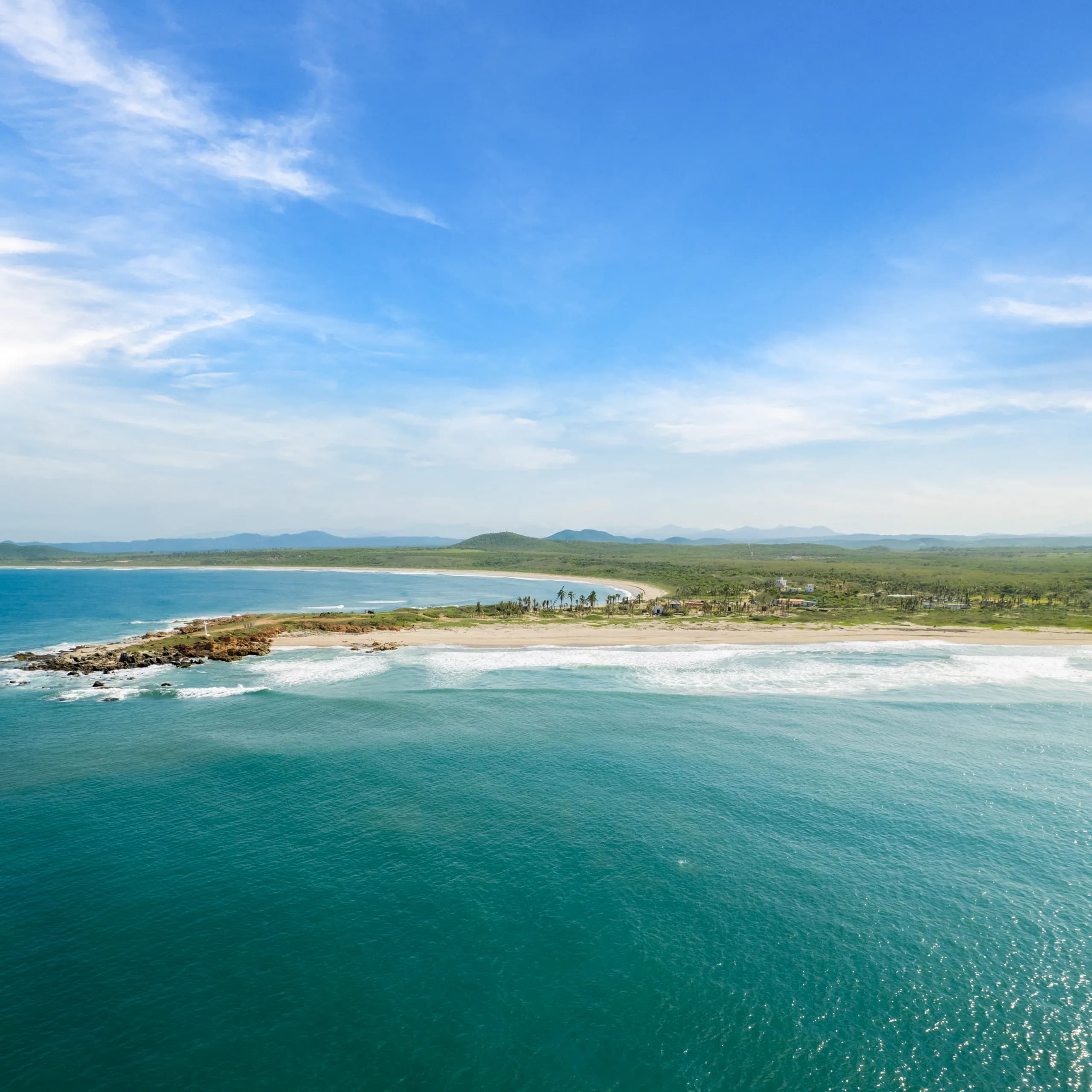
The kind that can look at 20, 50, 100, or 300 hectares and ask what kind of project would actually belong there. A retreat. A conservation-led residential community. A boutique hospitality concept. A wellness estate. A low-density master plan. A land bank for the next decade of coastal growth.
The best opportunities in this region are not simply about buying land cheaply. They are about understanding which pieces of land can support a future that feels aligned with the coast itself.
The Deep Blue Pull of the South
Every coast has a color palette.
Puerto Vallarta is often remembered through the contrast of city, bay, jungle, and mountains. Riviera Nayarit carries a softer rhythm in many places: wide beaches, surf towns, estuaries, residential communities, and long sunsets over open water. Costalegre is different again.
Its coast often feels more cinematic, but not in a polished way. The blues are deeper. The landforms are more dramatic. The beaches can feel more remote, more private, and more physically connected to the surrounding ecology. There is a reason the region has attracted architects, artists, conservationists, hotel groups, and families seeking a version of luxury that depends less on visibility and more on atmosphere.
Careyes is perhaps the clearest example of this.
For decades, Careyes has represented a very particular idea of Pacific living: art, architecture, privacy, color, community, and nature, all arranged along a coast that feels both cultivated and wild. It is not luxury as spectacle. It is luxury as authorship. Someone had to imagine a different relationship between land, building, and life, and then protect that idea over time.
Cuixmala offers another expression of the same broader thesis. It is not a conventional resort idea. Its identity is tied to ecology, scale, agriculture, wildlife, and a form of hospitality that treats landscape as the main event. It reminds us that Costalegre’s most compelling projects are not trying to replicate urban beachfront density. They are trying to create value through restraint.
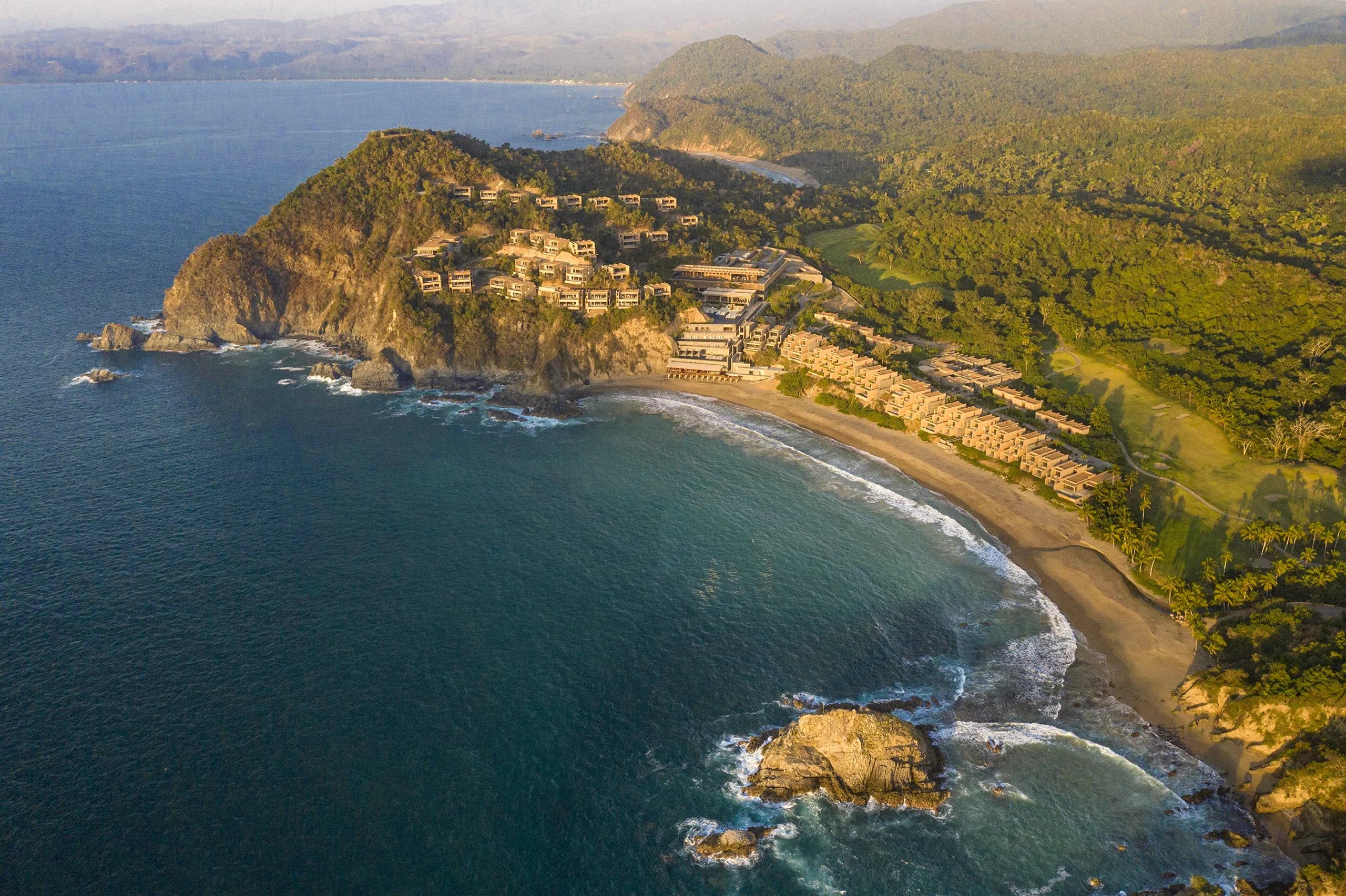
Four Seasons Tamarindo confirms that this positioning is no longer only local or niche. The arrival of a global hospitality brand inside a large nature reserve changed how many outside observers understand the corridor. It gave the market a recognizable signal: Costalegre can support world-class hospitality without becoming a mass tourism destination.
Xala pushes the story further. Its scale, environmental language, residential component, and connection to Six Senses point toward a future in which the region is not merely visited, but curated as a long-term lifestyle and conservation environment.
Together, these projects do not make Costalegre feel crowded. They make it feel validated.
That distinction is important. The region is not becoming valuable because it is being covered with development. It is becoming valuable because the right kinds of development are teaching the market how to value its restraint.
Land as the Real Story
Many coastal markets eventually become property markets. Costalegre and Cabo Corrientes are still, in many ways, land markets.
That changes the nature of the conversation.
A finished condominium can be compared quickly. Price per square meter, views, amenities, HOA structure, rental potential, and location all provide familiar reference points. Land is more complex. Land requires more questions.
What is the legal status?
What is the access?
What can actually be built?
Where are the utilities?
What is the topography?
What environmental restrictions apply?
Is the parcel better suited for holding, subdividing, conserving, developing, or partnering?
Is the opportunity in immediate use or in long-term positioning?
This complexity is precisely why the region can still offer meaningful value. Markets tend to reward clarity before they reward possibility. When an area is easy to understand, it is usually easier to price. When an area requires interpretation, pricing can remain uneven for longer.
That unevenness is visible across the corridor.
Some areas already carry the premium of recognition. Careyes, Tamarindo, Xala, and certain beachfront or near-beach parcels in the southern corridor are no longer obscure to serious buyers. They are part of an established luxury conversation. Other areas, particularly in and around Cabo Corrientes, Mayto, Tehuamixtle, Corrales, Playitas, El Tuito, and inland or semi-coastal zones, still belong to an earlier phase.
This is where land from roughly 20 to 300 hectares becomes especially relevant.
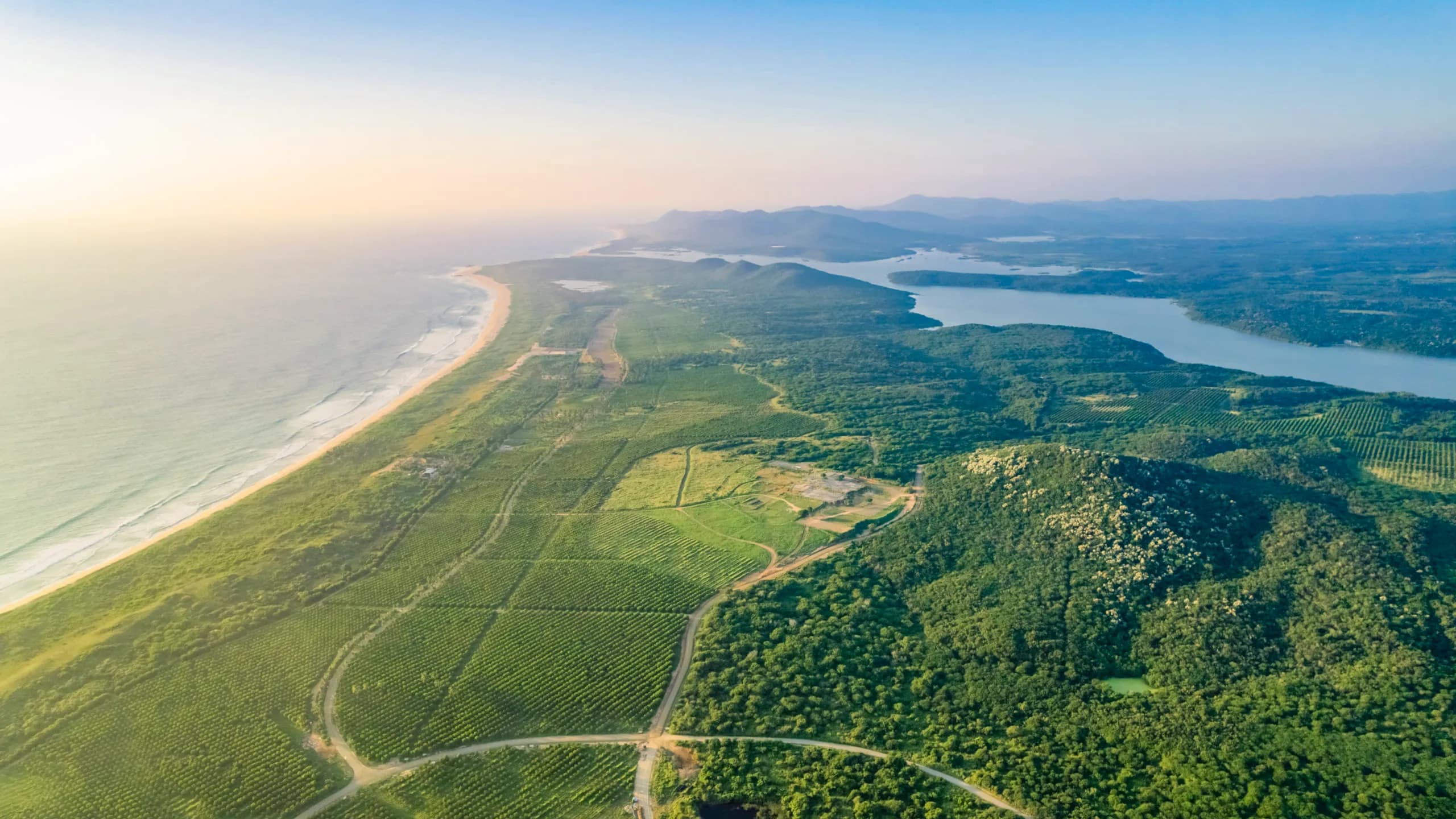
At that scale, a parcel is no longer just a private homesite. It becomes a platform. It can hold a vision large enough to matter: a hospitality project, an ecological reserve model, a private ranch estate, a wellness destination, a low-density residential concept, or a long-term development plan that unfolds gradually rather than all at once.
The pricing in some of these areas can still feel unusually accessible when compared with more mature coastal markets. But the better way to frame the opportunity is not simply “low price.” It is misalignment.
The present price has not always caught up with the future narrative.
That does not mean every parcel is attractive. Some land is inexpensive for a reason. Access may be difficult. Legal structure may be incomplete. Development permissions may be limited. Infrastructure may take longer than expected. Environmental considerations may reduce what can responsibly be built.
But for the disciplined buyer, those are not reasons to ignore the region. They are reasons to study it properly.
The Kind of Development That Belongs Here
Not every project belongs on every coast.
This may be the central point for Costalegre and Cabo Corrientes. The region’s strongest future will not come from copying more saturated destinations. Its advantage is not density. It is not nightlife. It is not speed. It is not the promise of turning every stretch of coastline into a commercial strip.
Its advantage is space, ecology, privacy, architecture, and the emotional intelligence to know when not to overbuild.
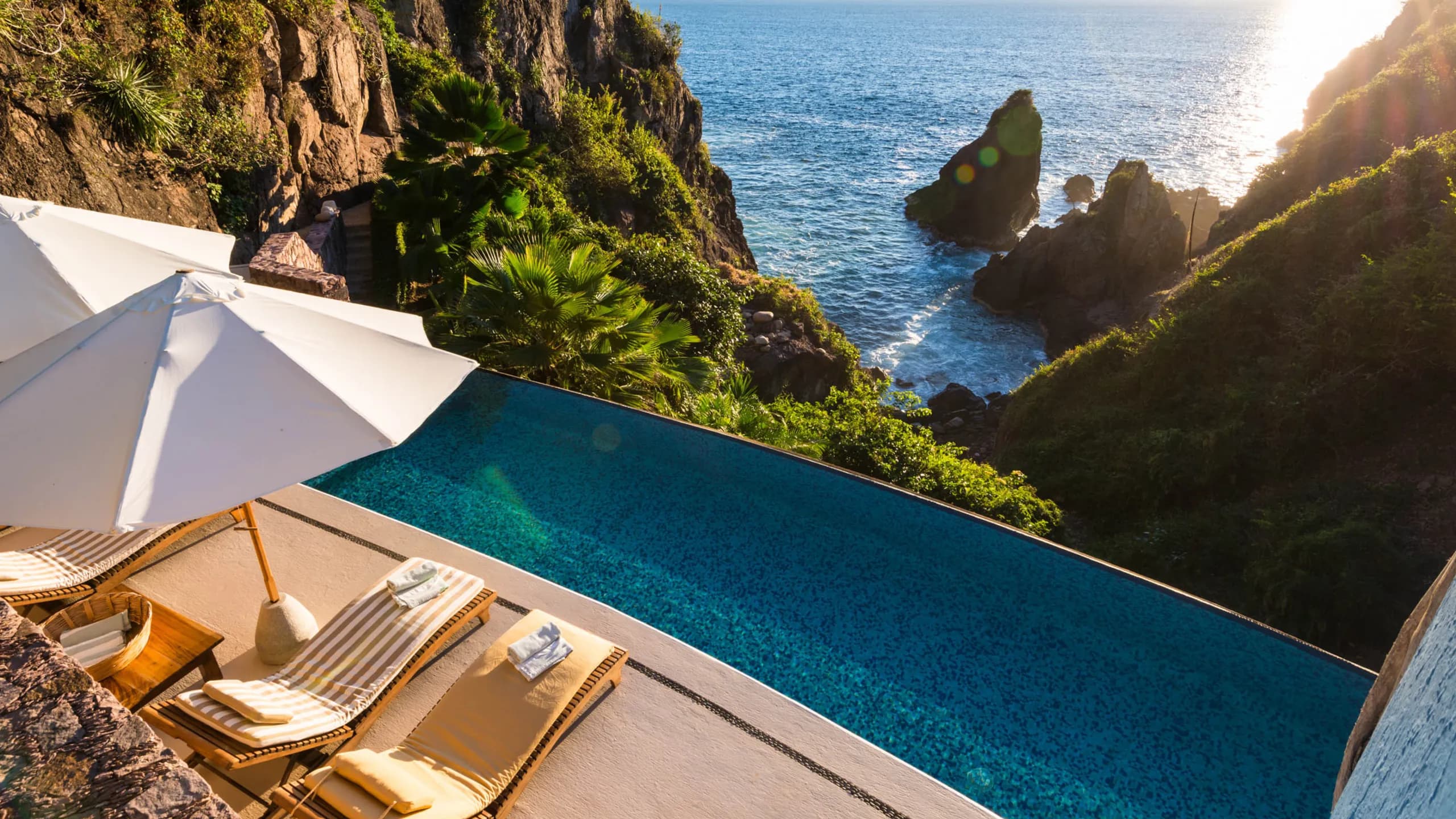
That is why the most interesting development in this corridor tends to share certain characteristics. It is low-density. It respects topography. It treats views as a relationship rather than a commodity. It works with local materials, climate, and orientation. It understands water, access, shade, and maintenance. It uses hospitality not only as service, but as a way of interpreting place.
The future of this coast will likely favor developers and landowners who understand that restraint is not the opposite of value. In this region, restraint may be the value.
A project that destroys the very silence, privacy, and environmental richness that made the land desirable in the first place is not creating long-term value. It is consuming it. A project that listens to the land, preserves its strongest qualities, and gives people a way to inhabit the coast without overwhelming it may age very differently.
This is also where the reader should understand the difference between opportunity and speculation.
Speculation asks: how quickly can this be sold for more?
Opportunity asks: what is the highest and best future this land can support, and what conditions must exist for that future to become real?
Costalegre rewards the second question.
The Tradeoffs Are Part of the Decision
To write honestly about Cabo Corrientes and Costalegre, one must also write about friction.
The region is beautiful, but beauty does not eliminate operational realities. Access can still be uneven depending on the specific location. Some parcels require serious due diligence. Infrastructure may be limited or still emerging. Development timelines can be longer than expected. Environmental regulations, ejido history, title structure, zoning, water access, and road rights can all change the real value of a property.
For lifestyle buyers, the quiet that feels extraordinary during a visit may feel too remote for daily life. For investors, the large scale of land can be attractive, but it also requires carrying capacity, planning expertise, and patience. For developers, the absence of density is part of the charm, but it also means that every project must work harder to create its own operational logic.
These are not small details. They are the decision.
A mature market gives buyers convenience. An emerging corridor gives buyers possibility. Those are different forms of value, and they suit different kinds of people.
The person who wants immediate walkability, reliable services, a dense restaurant scene, and a property that can be rented tomorrow may be better served in Puerto Vallarta, Bucerías, Marina Vallarta, Versalles, or certain established Riviera Nayarit communities.
The person who wants to understand where the next version of the Pacific coast may be forming will look farther south.
Not because it is easier.
Because it is earlier.
Why This Region Matters Now
Timing matters in coastal markets.
There is a moment when a place is still underdefined but no longer invisible. That is often when the most interesting long-term decisions begin. Costalegre and Cabo Corrientes appear to be entering that kind of moment.
The corridor already has the ingredients that sophisticated markets tend to respect: dramatic geography, limited coastline, large landholdings, conservation narratives, branded hospitality, architectural identity, and improving access. What it does not yet have, at least not evenly, is full market consensus.
That gap creates the opportunity.
Cabo Corrientes, in particular, may benefit from being the northern edge of a larger southward story. Puerto Vallarta gives it proximity and market familiarity. Costalegre gives it aspiration and long-term trajectory. Between those two forces, the municipality begins to look less like a remote edge and more like a transitional territory.
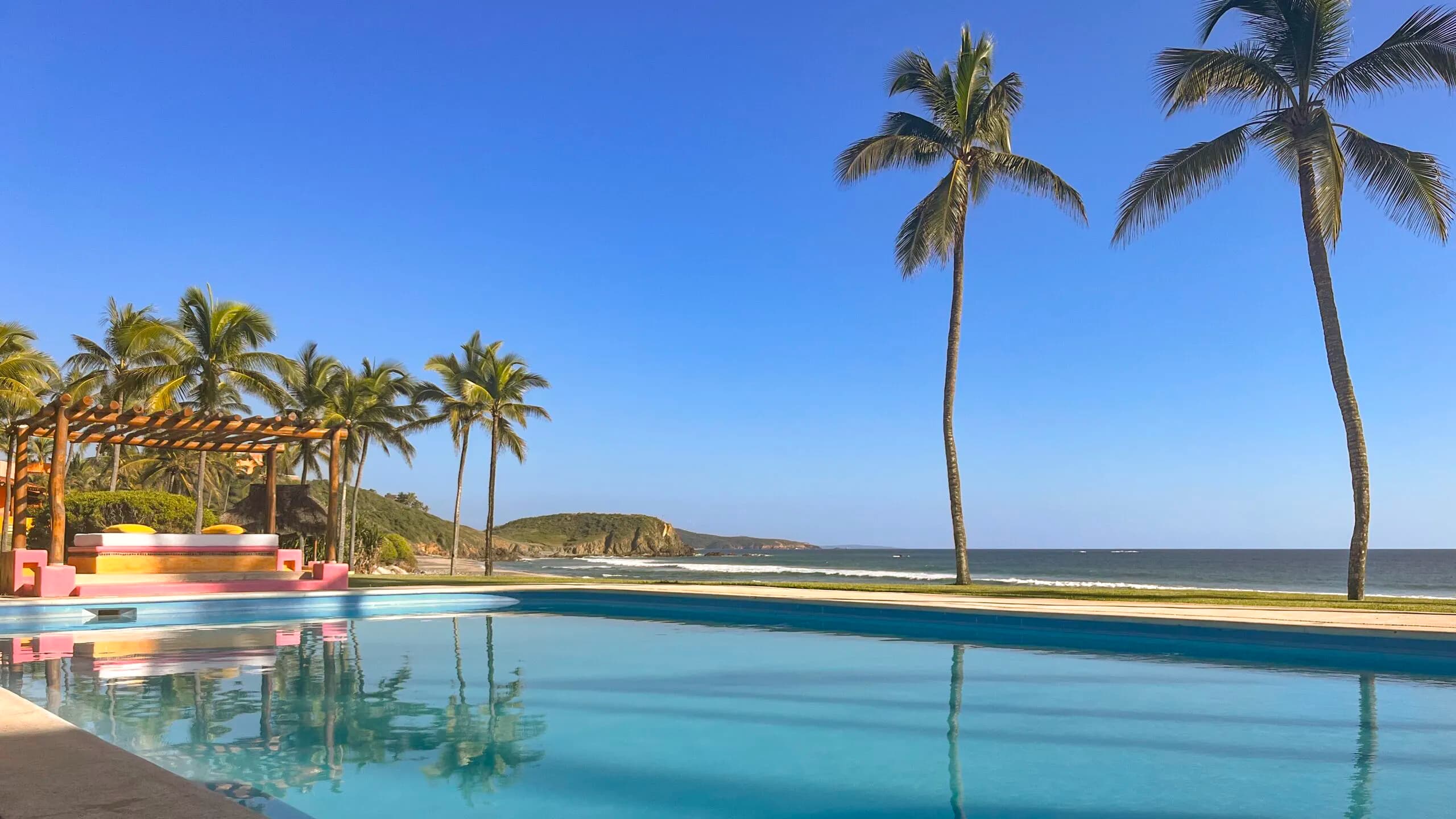
This does not mean every buyer should rush south. LUUMHAUS does not exist to tell readers what to do. The better point is that readers should understand what is happening.
The Pacific coast is not evolving in a straight line. Growth does not only move from city center to suburb, or from famous beach to nearby beach. Sometimes value moves through infrastructure. Sometimes it moves through hospitality. Sometimes it moves through scarcity. Sometimes it moves through a cultural shift in what high-end buyers actually want.
For years, luxury was often associated with convenience, service, and visibility. Increasingly, in places like Costalegre, it is associated with privacy, land, nature, design, and emotional distance from the overbuilt world.
That shift favors regions with room.
Costalegre has room.
Cabo Corrientes still has room.
And in coastal real estate, room is becoming one of the rarest assets of all.
The Invitation
Perhaps the best way to understand this coast is not to begin with the land.
Begin with the feeling of arriving.
The road bends. The forest thickens. The sea appears and disappears between elevations. A village interrupts the landscape, then the landscape returns. The beaches do not all present themselves immediately. Some require patience. Some require local knowledge. Some are better understood in the morning, when the light is lower and the water carries that dense Pacific blue that seems to hold more depth than color.
Then the larger question begins to form.
What kind of life or consciousness belongs to this place?
What kind of project would respect the inherent nature of this place?
What kind of investor understands the difference between developing land and exhausting it?
What kind of future is possible when a coast still has enough space to choose its own direction?
That is the real story of Costalegre and Cabo Corrientes.
Not a finished market. Not a simple vacation destination. Not a place that can be reduced to a single beach, brand, or development.
It is a region in formation.
A coast where beauty is obvious, but value still requires interpretation.
A place where the next chapter of Mexico’s Pacific may not arrive loudly, but gradually, through the quiet accumulation of better roads, stronger hospitality, more thoughtful projects, and landowners willing to think in decades rather than seasons.
For readers who want only certainty, this may be too early.
For those willing to explore, observe, and understand, that may be precisely the point.
Filed under