
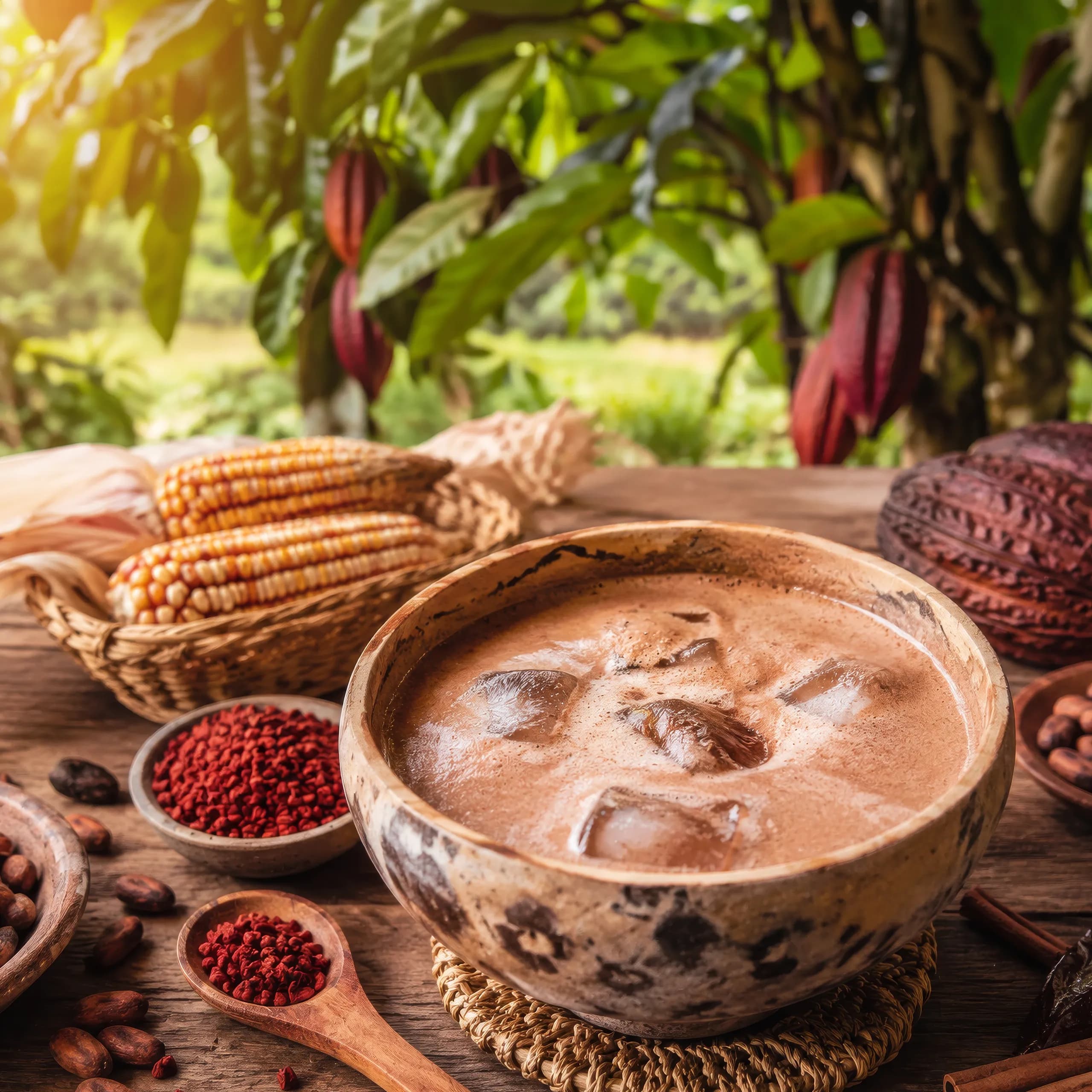
Cacao Before Chocolate: The Mexican Drinks That Carry Mesoamerica Forward
Long before cacao became a dessert, it was ground with maize, flowers, seeds, roots, spices and water—served as nourishment, ceremony and a living expression of place.
By LUUMHAUS
| Last Reviewed:
Most of the world encounters cacao near the end of its transformation. It arrives divided into percentages, molded into bars, folded into desserts or presented as a polished indulgence. Its packaging may mention origin, altitude or tasting notes, but the relationship between cacao and the cultures that first gave it meaning often remains outside the frame.
In Mexico, another history can still be tasted. Long before the chocolate bar became cacao’s most familiar global form, cacao was consumed as a beverage. It was ground, diluted, seasoned, fermented, poured, beaten and lifted into foam. It accompanied ceremonies, agricultural cycles, exchanges between communities and moments of domestic hospitality.
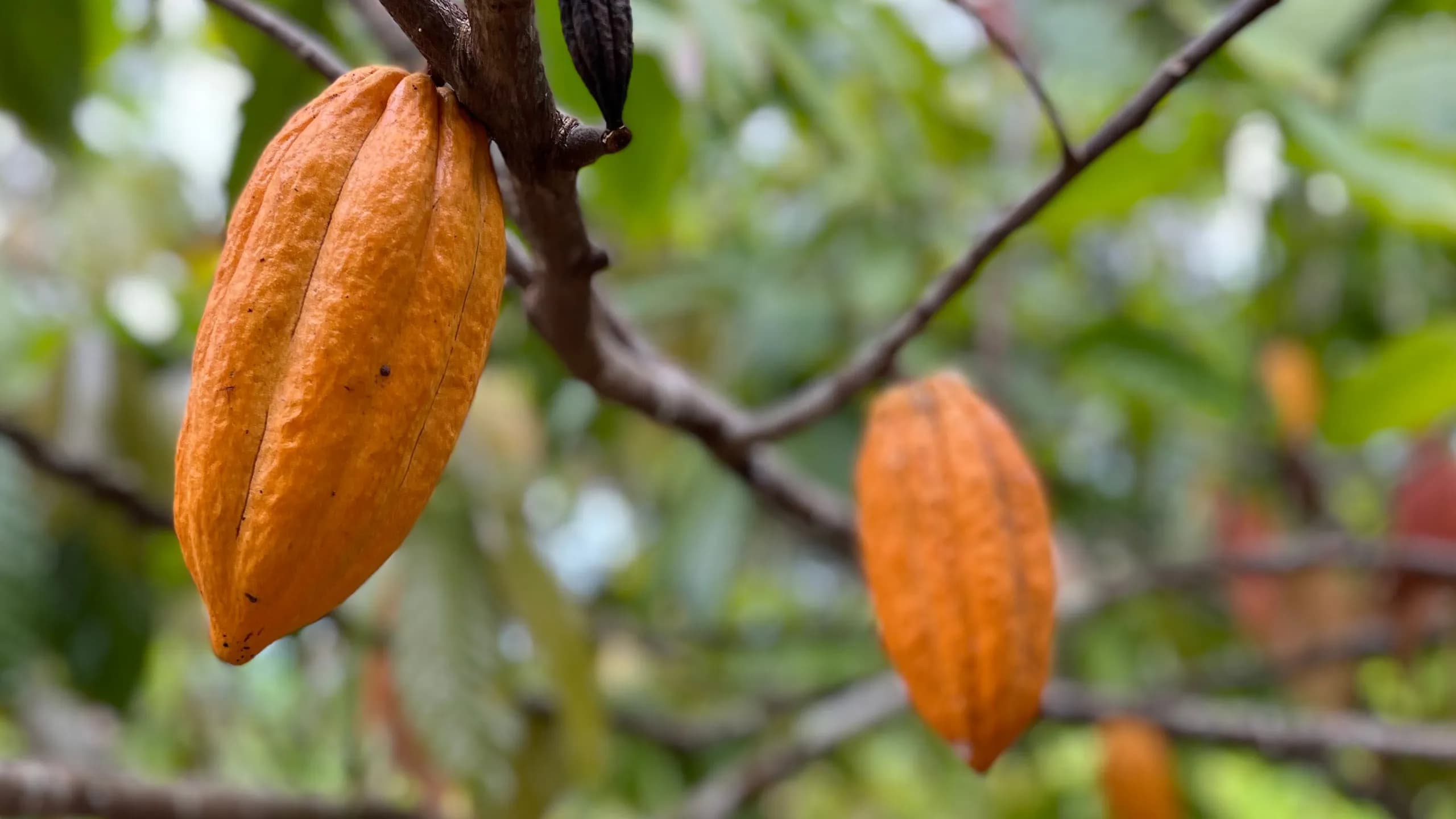
For several Mesoamerican societies, cacao carried economic, social and spiritual value. It could function as tribute or currency, appear in ritual contexts and represent ideas connected to fertility, abundance, darkness, water and the divine. Its importance extended far beyond pleasure alone.
Yet the most meaningful evidence of this history is not confined to a museum. It remains in the cold tejate poured in an Oaxacan market, the red tone of tascalate in Chiapas, the dense warmth of champurrado beside a tamal, the floral foam of bupu in Juchitán and the cacao-rich pozol stirred repeatedly beneath the heat of Tabasco. These drinks invite us to understand cacao before it was simplified into chocolate—and to reconsider what gastronomic heritage truly means.
Cacao as a Relationship
A traditional beverage is rarely defined by a single ingredient. Its identity emerges from relationships: cacao with maize, maize with water, water with climate, and preparation with the hands that know how each ingredient should be treated.
Mexico’s cacao drinks reveal a culinary system in which texture matters as much as flavor. Some are fermented. Others are thickened with nixtamalized maize. Several depend on flowers, roots or seeds that grow only within particular ecosystems. Many must be stirred continually because their ingredients naturally separate.
This is not a defect to be corrected by industrial processing. It is part of the experience. The sediment, grain, foam and changing consistency remind the person drinking that the beverage came from living materials rather than from a standardized powder.
They also demonstrate why these traditions cannot be separated from their territories. A flower from the Isthmus, a mamey seed from Oaxaca or a foaming root from Veracruz is not simply an aromatic addition. Each ingredient connects the drink to a landscape, a growing season and a body of local knowledge.
These Recipes Were Never Frozen in Time
Describing these beverages as “pre-Hispanic” requires some care. Their roots may reach into Mesoamerica before the arrival of Europeans, but the drinks prepared today are not always exact replicas of an ancient formula. Recipes have moved between families and regions. Ingredients such as cane sugar, cinnamon and dairy entered many preparations after colonization. Some communities adopted them; others maintained versions based primarily on water, maize, cacao and native aromatics.
Atole itself has a pre-Hispanic foundation, but its contemporary family includes an enormous range of regional preparations enriched with cacao, vanilla, anise, fruit, flowers and other ingredients. Tascalate similarly carries an Indigenous base while reflecting later additions that became part of its living history. Authenticity, therefore, should not be understood as immobility. A culinary tradition can change while remaining culturally coherent. What matters is whether knowledge continues to be transmitted, whether the preparation retains a recognizable relationship with its community and whether the people who sustain it remain present within its story.
These drinks are not fossils from an extinguished civilization. They belong to Indigenous and regional cultures that continue to cook, cultivate, celebrate and adapt in the present tense.
The Architecture of Foam
Across many of Mexico’s cacao beverages, foam is not decoration. It is structure. It alters aroma, temperature and mouthfeel. It can create a contrast between a light upper layer and a denser maize base below. In certain drinks, the foam is so important that it gives the beverage its name.
Producing it requires technique. A molinillo is rolled rapidly between the palms, or the liquid is poured and beaten according to a rhythm learned through repetition. Research into the hydrodynamics of the traditional molinillo has shown that its design can produce small, stable bubbles with remarkable efficiency. Different forms may be suited to different beverages and different kinds of foam.
But reducing foam to physics would miss part of its meaning. Foam makes labor visible. It records the movement of the person who prepared the drink. It signals that the beverage has been worked, aerated and made ready to share. To drink the foam first, to receive it over atole or to stir it back into the jarro or jícara is to participate in a culinary language that existed long before the vocabulary of the modern coffee bar.
Tascalate: Chiapas in Roasted Maize and Achiote
Tascalate—or taxcalate—belongs most closely to Chiapas, particularly the highlands, although recipes vary between households and communities. Its foundation is roasted maize, cacao and achiote. Cinnamon, chile, sugar and other ingredients may complete the mixture depending on the preparation. The achiote gives tascalate its distinctive red or terracotta color, while the roasted maize produces a dry, earthy depth beneath the cacao.
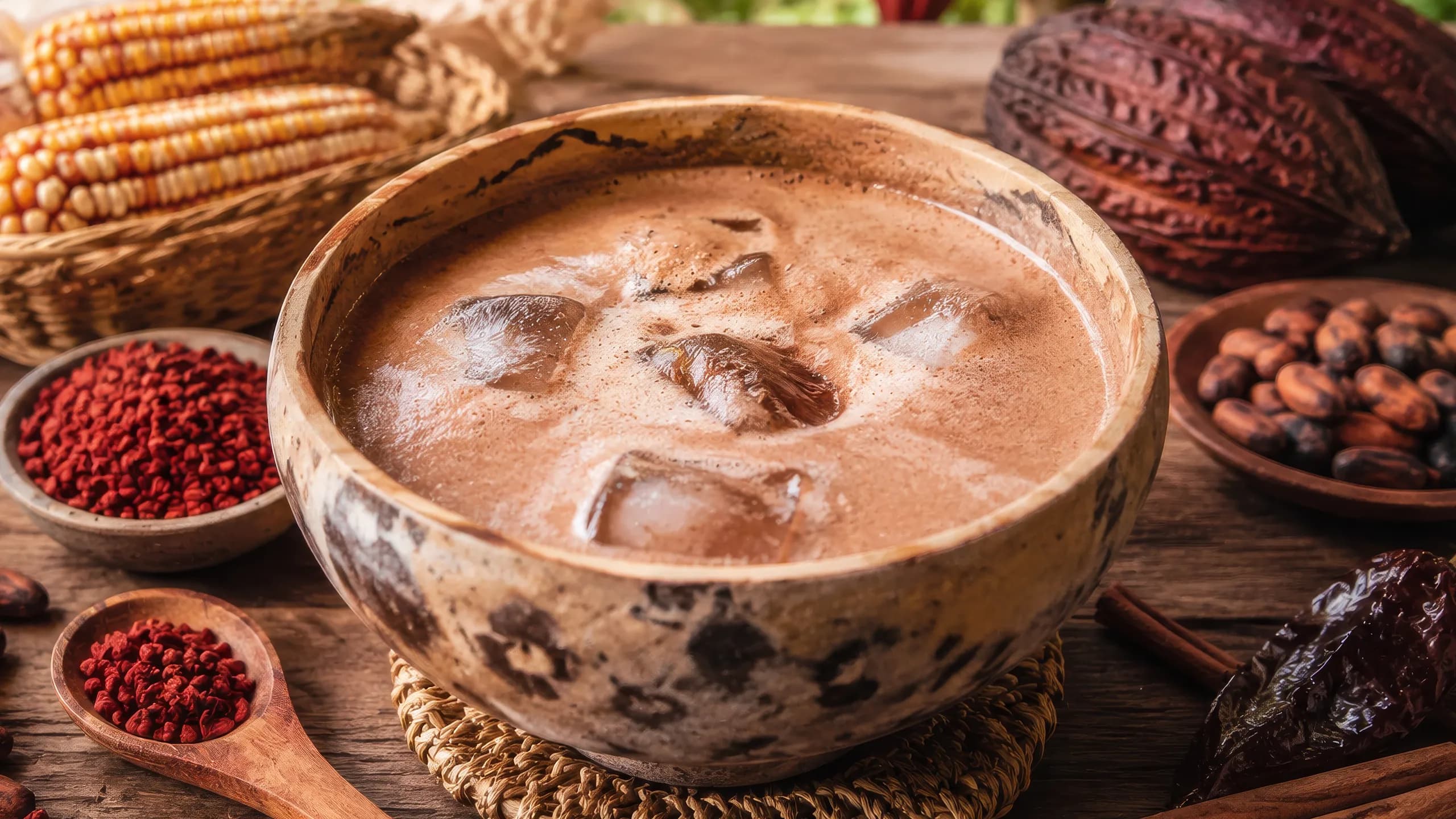
It is frequently served cold, making it especially suited to the heat, although warm versions also exist. Unlike a smooth industrial chocolate drink, tascalate retains a lightly grainy body. Its ingredients settle, inviting the drinker to stir again before the next sip. Official accounts of the drink also preserve associations with affection and courtship, demonstrating how a beverage may enter not only ceremonial life but also the emotional vocabulary of a community.
For someone tasting it for the first time, tascalate may feel both familiar and unexpected. Cacao is present, but it does not dominate. It shares the cup with toasted grain, spice and the mineral warmth of achiote. Tascalate does not taste like a chocolate beverage with maize added to it. It tastes like maize and cacao understood as equal cultural foundations.
Champurrado: Warmth, Continuity and the Everyday Table
Champurrado is perhaps the most widely recognizable drink in this group. It belongs to the extensive family of atoles: beverages traditionally thickened with maize. In champurrado, masa and cacao or Mexican table chocolate come together with water, milk or a combination of both. Piloncillo, cinnamon and other spices may be added according to regional and family preference.
Its consistency ranges from drinkable and silky to dense enough to approach a light porridge. The maize softens the sharpness of the cacao, while the cacao gives the atole roasted bitterness and depth. Although its exact preparation reflects centuries of cultural exchange, its foundation joins two of Mesoamerica’s most consequential crops: maize and cacao.
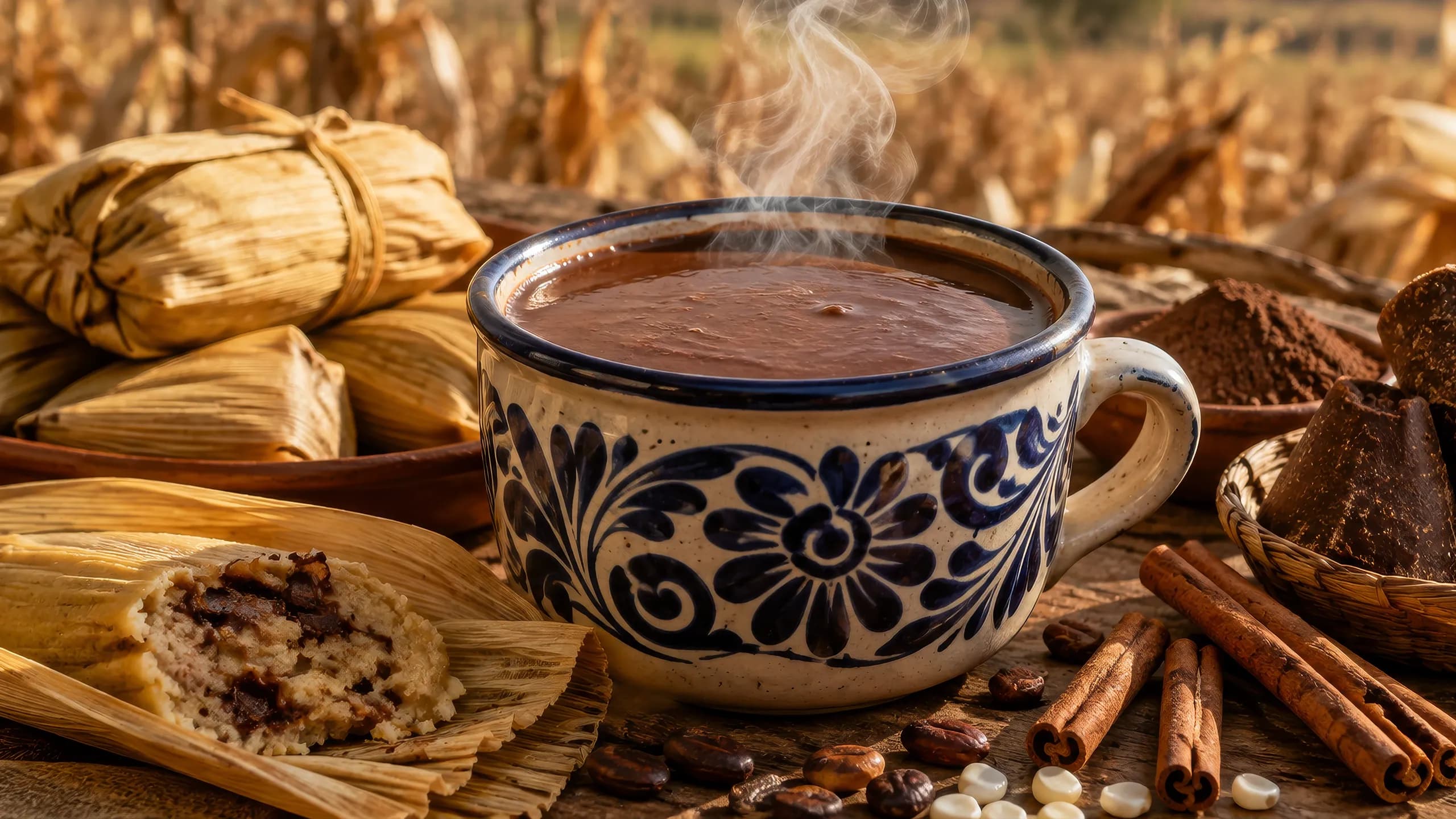
Champurrado is often associated with cool mornings, street vendors, family kitchens and celebrations such as Día de Muertos or the Christmas and Candelaria seasons. It is frequently served beside tamales, creating a pairing in which maize appears in two different forms: one wrapped and steamed, the other dissolved and poured.
Its cultural significance does not depend upon rarity. Champurrado matters precisely because it remains part of ordinary life. It demonstrates that heritage does not always survive through exceptional ceremonies. Sometimes it continues because someone wakes before sunrise, dissolves masa into water and prepares enough for the family.
Tanchuca: A Less-Traveled Branch of the Cacao Tradition
Tanchuca is less familiar outside the regions where it is prepared, and descriptions of it vary. It is associated principally with Oaxaca and Tabasco, with some preparations using maize and pataxte, a close botanical relative of cacao, to produce a beverage with an especially dense foam. Regional versions may include spices such as anise or cinnamon.
Some oral and published accounts connect tanchuca with ceremonial or high-status consumption. Such narratives should be approached as part of the drink’s regional memory rather than as a single standardized history.
Its relative obscurity is instructive. Global food culture tends to preserve the names that can be commercialized easily. Beverages requiring uncommon ingredients, specific foaming practices or knowledge held within a limited geography are more difficult to package. Their absence from the international menu does not indicate lesser importance; it often reveals how dependent they remain upon place.
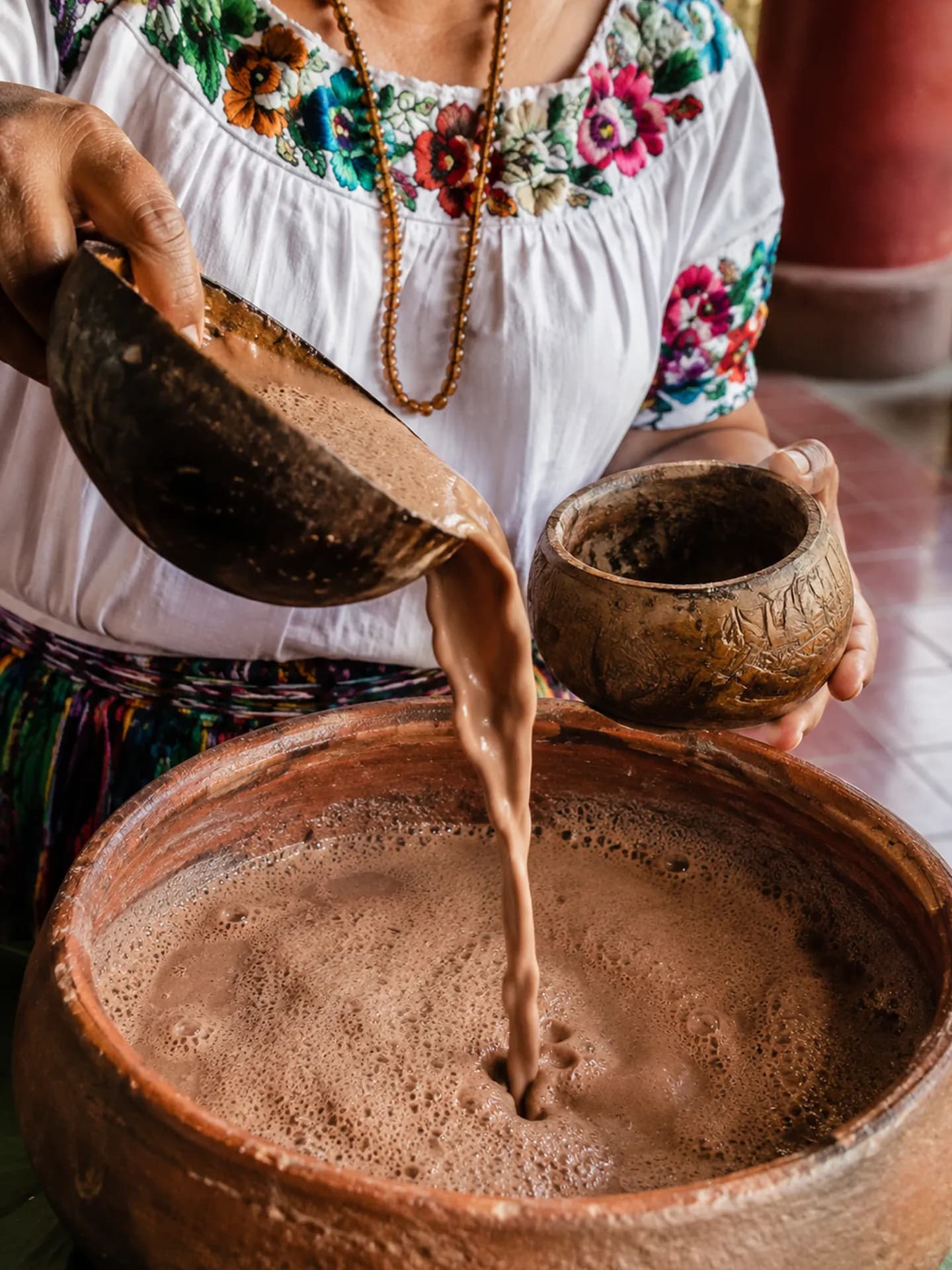
Tanchuca asks the contemporary reader to accept that not every tradition must become globally available to remain valuable. Sometimes preservation means allowing a beverage to retain its regional character rather than forcing it into universal familiarity.
Popo: A Drink Built from Foam
Popo is found in southern Veracruz and in neighboring areas of Oaxaca and Tabasco. Its name is commonly connected to a Nahuatl term referring to something that foams, smokes or effervesces. The description is exact: its most recognizable feature is a generous cap of foam.
Preparations may combine cacao with rice or maize, cinnamon, sugar or piloncillo, and a regional root or vine used to help create and stabilize the foam. The drink is generally served cold and is associated with weddings, baptisms, patron-saint festivities and other community gatherings.
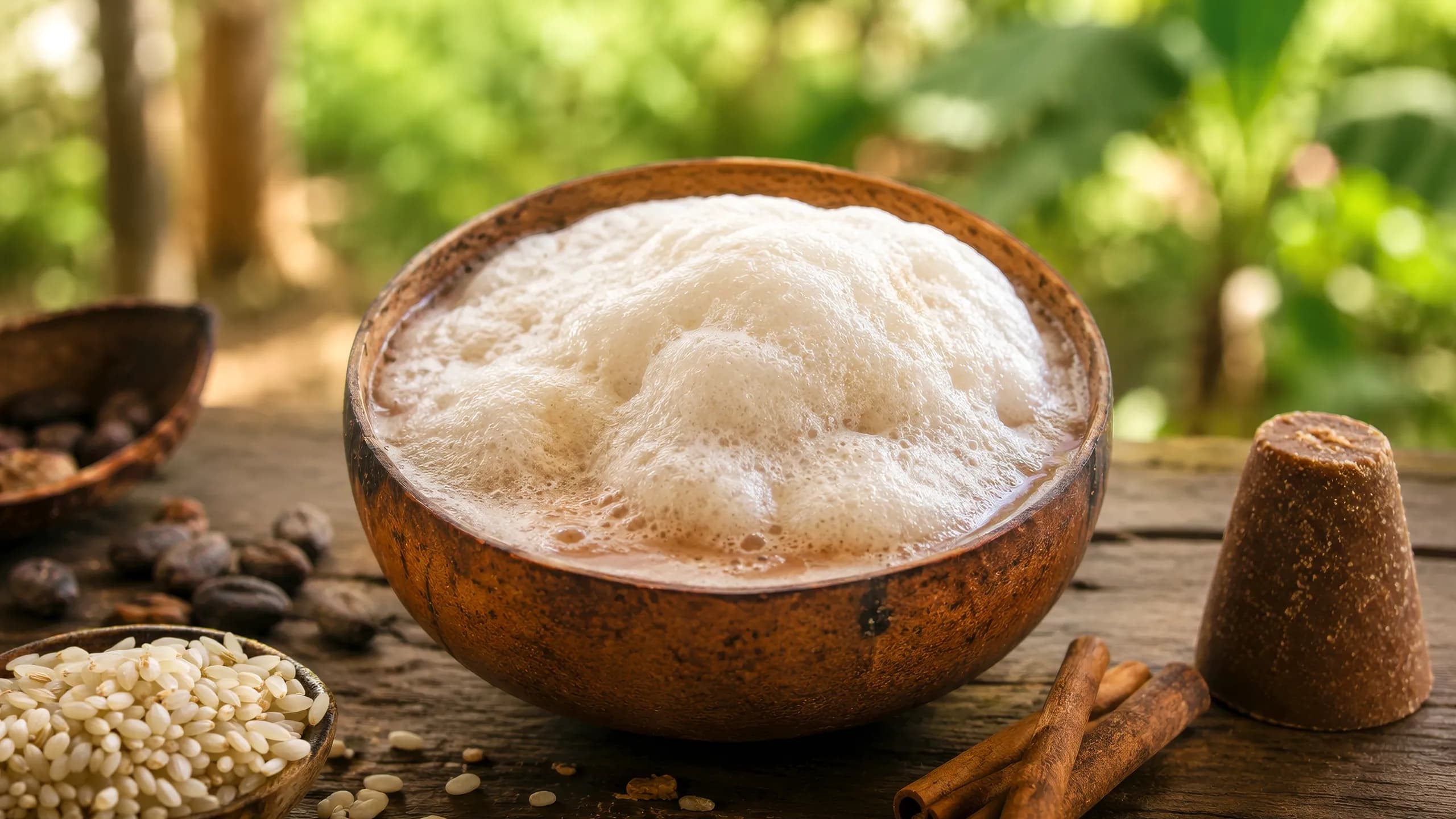
Popo must be actively prepared. Its ingredients are ground, mixed and beaten until the beverage changes in volume and texture. The foam is sometimes eaten with a spoon before the liquid beneath it is finished.
For a palate accustomed to sweetened chocolate milk, popo offers a different balance. Its cacao may be roasted and lightly bitter. The rice or maize contributes body without creating the uniform creaminess of dairy. The aromatic roots and spices produce a flavor that belongs to the humid landscapes of the Gulf rather than to the European chocolate tradition.
Its foam makes the drink celebratory, but its ingredients make it sustaining. Popo is pleasure, nourishment and collective memory occupying the same vessel.
Bupu: Flowers and Cacao in the Isthmus
In the Zapotec culture of Juchitán de Zaragoza, in Oaxaca’s Isthmus of Tehuantepec, bupu is a drink defined by its foam. The word itself is generally translated as “foam.” The beverage is constructed in layers. A warm white-maize atole forms the base. Above it sits a whipped mixture of cacao, panela (also known as piloncillo) or sugar, cinnamon and regional flowers such as flor de mayo or guie’ chachi. The result is both visual and textural: a pale, comforting atole supporting a fragrant cacao foam.
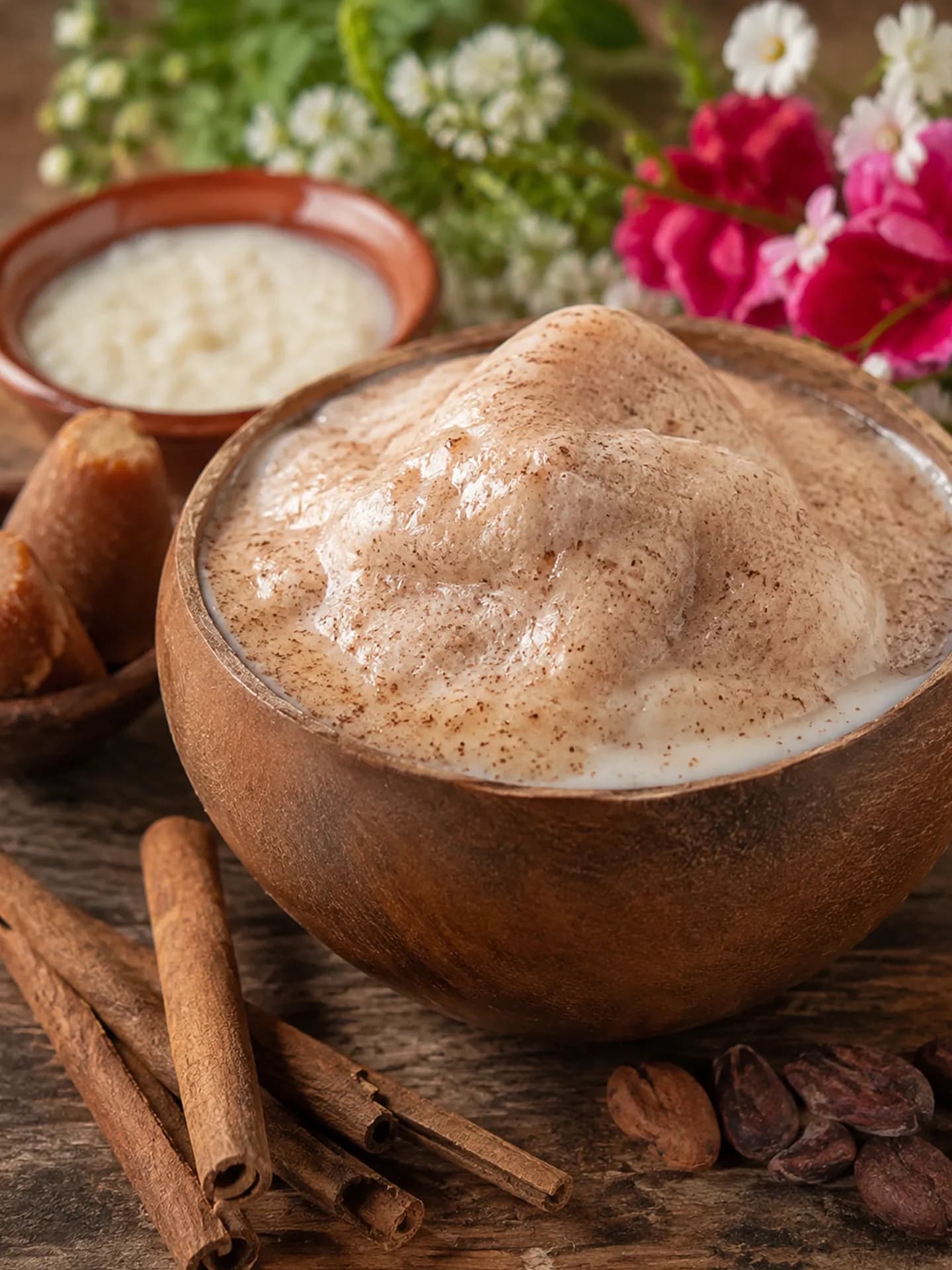
Bupu is associated with weddings, baptisms, religious gatherings and important moments of community life. It remains closely connected to Juchitán and to the Zapotec families who have preserved its preparation.
Its gastronomic intelligence lies in contrast. The atole below is warm, smooth and restrained. The foam above is aromatic, floral and more intensely flavored. Rather than blending everything into a single consistency, bupu allows the drinker to experience its parts as a sequence.
The flowers are especially significant. They prevent cacao from being understood only through bitterness, sweetness or roasting. In bupu, cacao also belongs to perfume—to the ephemeral aromas of plants gathered, dried and incorporated through regional knowledge.
It is difficult to reproduce that relationship elsewhere. Replacing the local flowers may create an appealing beverage, but it cannot recreate the ecology or cultural precision of bupu prepared in the Isthmus.
Tejate: The Cool, Floral Intelligence of Oaxaca
Tejate is one of Oaxaca’s most emblematic beverages, with a particularly strong association with the Central Valleys and San Andrés Huayápam. Its principal ingredients are maize, cacao, toasted mamey seed—known as pixtle—and rosita de cacao, an aromatic flower that, despite its name, comes from a different plant. These ingredients are toasted, ground and worked into a paste before cold water is incorporated.
As the mixture is kneaded and diluted, a pale foam rises to the surface. This floating layer results partly from the natural fats within the ingredients. Beneath it, the drink remains earthy, floral, subtly sweet and lightly textured. Tejate has been connected to agricultural and ceremonial life and is still sold in markets, public celebrations and street stands, often from large clay vessels.
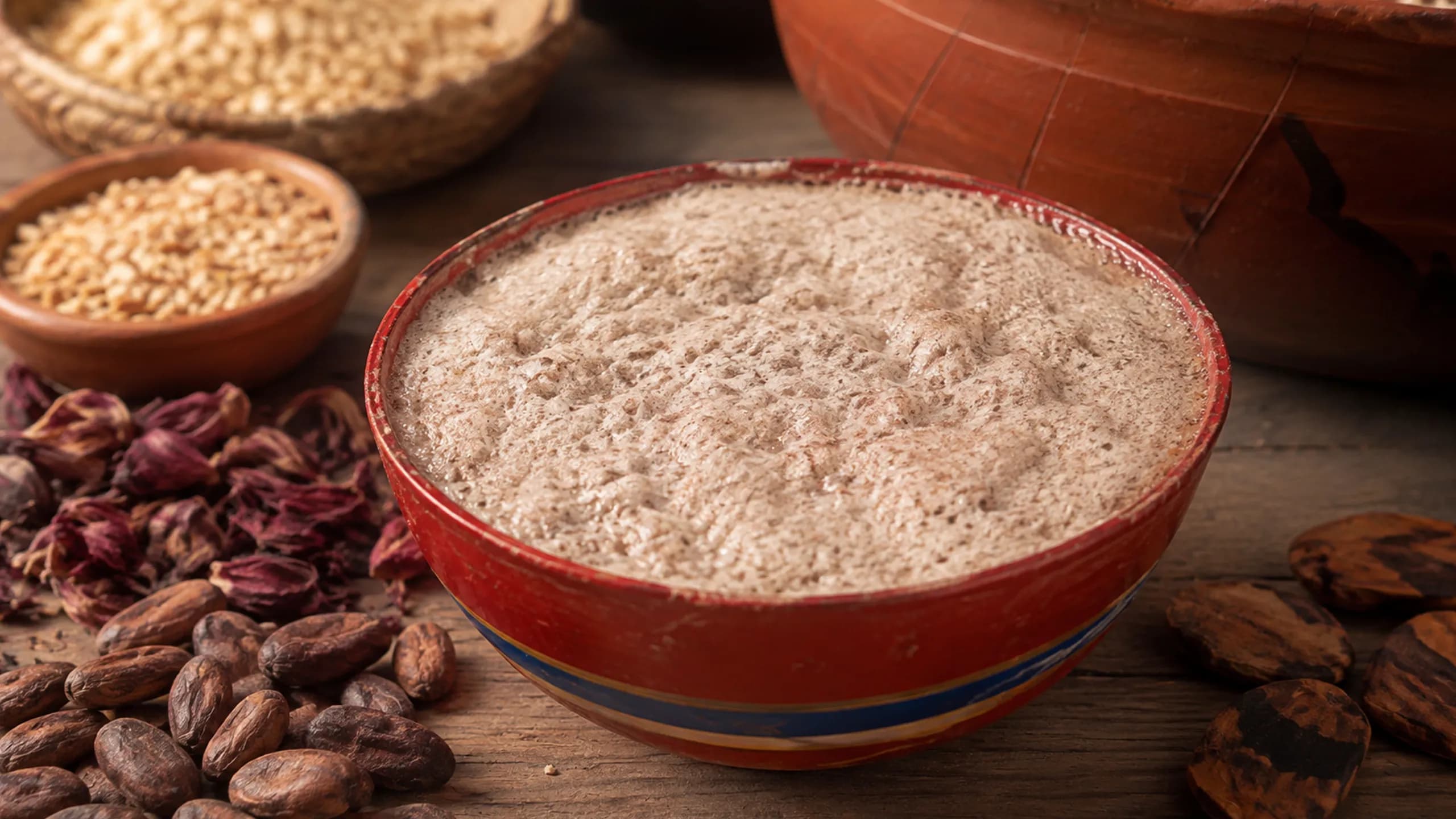
It is sometimes called “the drink of the gods,” but the phrase can obscure what makes tejate truly remarkable. Its sophistication is not mythological. It is technical. The person preparing it must understand how long to toast the ingredients, how finely to grind them, how to work the paste and when to add the water. The recognizable foam does not appear because a recipe was followed mechanically. It emerges from material knowledge.
Tejate also challenges the idea that cacao naturally belongs to warmth and richness. It is served cold. Its floral and nutty qualities can feel more prominent than conventional chocolate notes. It refreshes without becoming thin and nourishes without becoming heavy. Within a single jícara, cacao moves away from dessert and returns to landscape.
Pozol: Fermentation, Sustenance and the Tropical South
Pozol is deeply associated with Tabasco and Chiapas. Its base is nixtamalized maize formed into a dough, sometimes allowed to ferment, and later dissolved in cold water. Cacao may be ground into the masa to create pozol con cacao; related names and preparations, including chorote, vary by region.
The drink is thick, slightly grainy and inclined to settle. It must be stirred or shaken as it is consumed. Fermented versions develop a mild acidity that balances the earthiness of maize and the roasted flavor of cacao.
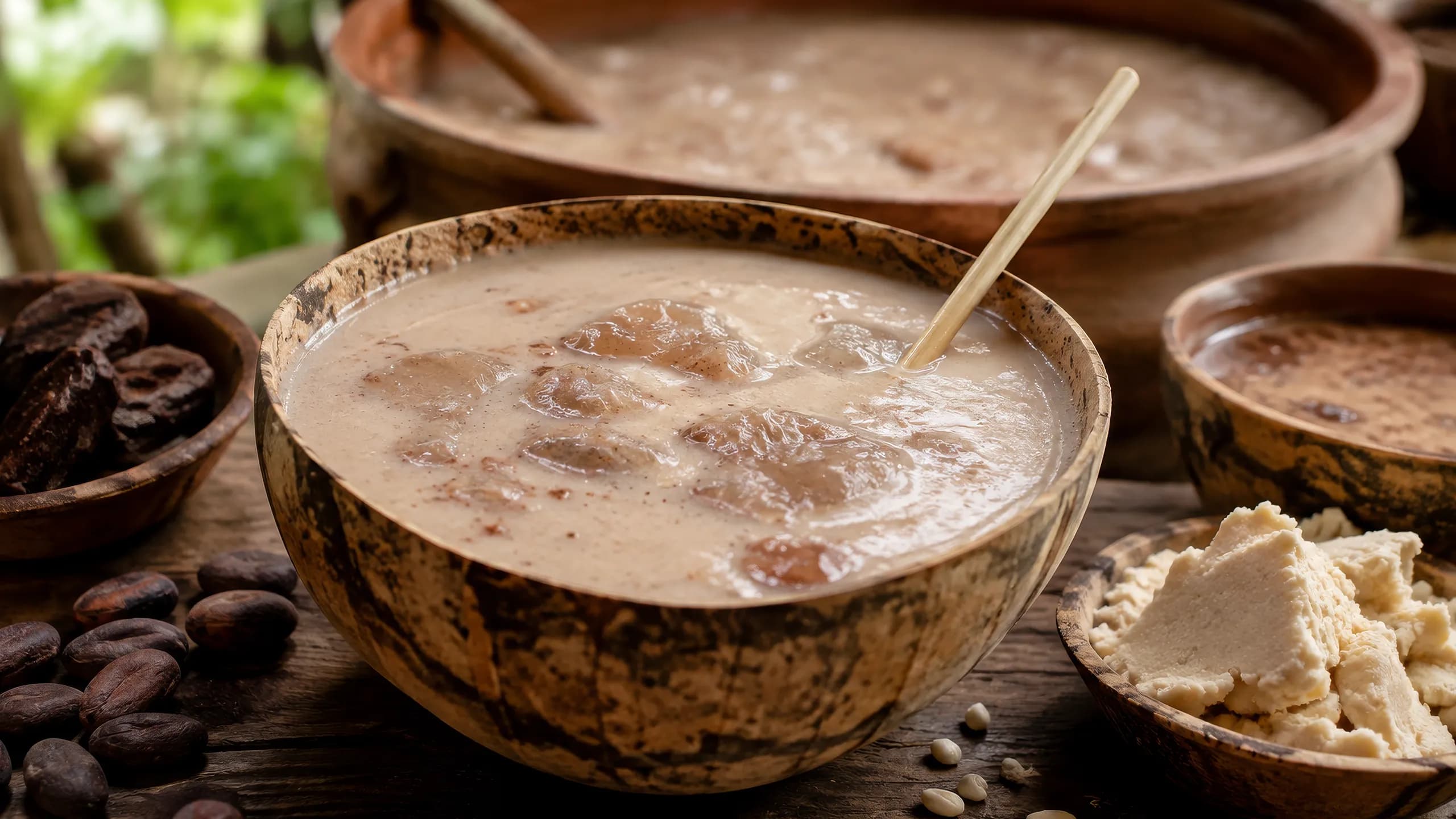
Pozol has long served as practical nourishment in hot and humid environments. Its maize provides substance, while its cold preparation makes it refreshing during agricultural work, travel or daily activity. It is traditionally served in jícaras and may be consumed sweetened, unsweetened or, in some communities, with salt or chile.
Its value is difficult to communicate through the language of contemporary beverages. Pozol is not simply a refreshment, smoothie or fermented health drink. Those comparisons capture only fragments of what it represents. It is a portable food, a regional technique, a climate-adapted preparation and a continuing expression of the relationship between maize and cacao.
Where modern consumption often separates eating from drinking, pozol allows the distinction to remain fluid. It quenches thirst, but it also feeds.
The Gastronomic Intelligence Inside the Cup
Taken together, these beverages reveal a form of culinary sophistication that modern food culture does not always recognize. It is not sophistication based on luxury ingredients, elaborate plating or technological equipment. It is based on understanding transformation.
Nixtamalization changes maize nutritionally, structurally and aromatically. Fermentation allows dough to develop acidity and stability. Toasting creates different layers of bitterness and fragrance. Grinding controls texture. Foaming changes how aroma reaches the nose and how the beverage moves across the palate.
Even ingredients that might otherwise be discarded can acquire value. The seed of the mamey becomes pixtle. Flowers are dried and preserved. Gourds become vessels. Roots and vines provide natural foaming properties. Nothing exists in isolation. Each technique reflects observation accumulated across generations.
This is where the connection to nature becomes most profound. It is not expressed through decorative language about the earth. It appears in practical knowledge: knowing which plant to gather, which seed to toast, how the weather affects fermentation and how water changes the behavior of masa. Nature is not scenery surrounding these traditions. Nature is an active ingredient.
Revaluing Tradition Without Turning It into a Museum
To revalue these drinks does not mean declaring that every old practice must remain unchanged. Nor does it mean presenting Indigenous gastronomy as a mystical world available for outsiders to consume. Respect begins with specificity.
Tascalate is not simply “Mayan chocolate.” Bupu is not a floral cappuccino. Tejate is not horchata with cacao. Pozol is not an ancestral protein shake. Such comparisons may appear convenient, but they reduce complete culinary systems to something already familiar to the global reader. The more meaningful approach is to learn their names, regions, ingredients and cultural contexts.
The same principle should guide attempts to prepare them outside Mexico. A modern home recipe can introduce the logic of a drink, but it may not reproduce its identity. Almonds cannot fully replace pixtle. Rose petals are not rosita de cacao. Licorice does not recreate the foaming roots used for popo. An adaptation may be delicious, but it should be described honestly as an adaptation.
The accessible recipes gathered in the original research are valuable starting points, particularly for readers who cannot obtain regional ingredients. They also reveal the limitations of translating place-specific gastronomy into a universal kitchen.
Preservation depends not only on repeating recipes but on recognizing the people who carry them. It means listening to traditional cooks, purchasing directly from regional producers when possible and resisting the impulse to detach a desirable ingredient from the community that gave it meaning.
Before Chocolate Became a Bar
There is nothing wrong with the chocolate bar. It has its own history, craft and pleasures. But it represents only one possible conclusion to the cacao story—and a relatively narrow one. Mexico’s traditional cacao beverages reveal a wider vocabulary.
Cacao can be cold or hot, smooth or grainy, fermented or freshly ground. It can be red with achiote, pale beneath a layer of foam, floral with rosita de cacao or substantial with nixtamalized maize. It may belong to a wedding, a market morning, an agricultural journey or an ordinary breakfast at home.
To encounter these drinks is to encounter a different proposition about food. Flavor is not only an individual preference. It is a relationship between seed and soil, grain and water, household and ceremony, memory and repetition.
Revaluing these traditions is not an act of nostalgia. It is an act of present-tense respect. It asks us to understand that cultural heritage does not live simply because it is old. It lives because people continue to prepare it, name it, teach it and offer it to someone else.
The chocolate bar may be cacao’s global icon. These drinks are its memory—and in Mexico, its continuing life.
Filed under