
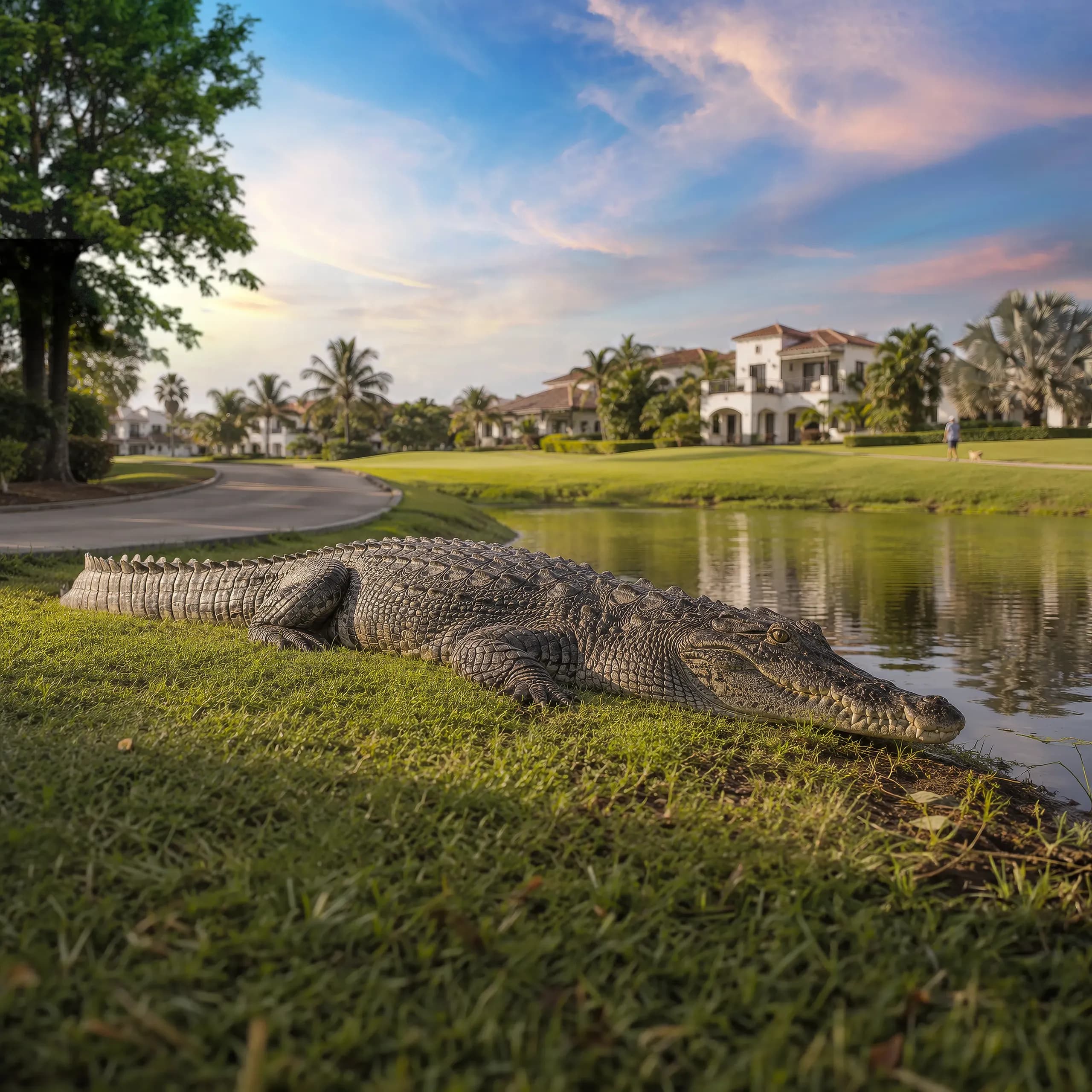
The Privilege of Proximity: Living Well Alongside the Wild
A home beside nature does not grant control over nature. It creates an obligation to live with greater awareness.
By LUUMHAUS
| Last Reviewed:
From the mangroves of Puerto Vallarta and Riviera Nayarit to the waterways of Florida and northern Australia, some of the world’s most compelling residences exist close to functioning ecosystems. The privilege of living there comes with a corresponding responsibility: to understand that nature is not an amenity, and that respect begins with distance.
There is a particular kind of residence in which the landscape does not end at the property line.
Beyond the terrace may be a mangrove channel. Beyond the garden, a coastal lagoon. A quiet body of water beside a golf course may connect to an estuary, a river or a much larger ecological system. Birds arrive according to rhythms that have little to do with the household calendar. Reptiles move through corridors established long before roads, villas or resort communities appeared.
These settings are often presented through the language of privacy, views and access to nature. All three may be true. Yet they describe only one side of the relationship.
The more important question is what it means to live responsibly in a place that remains genuinely alive.
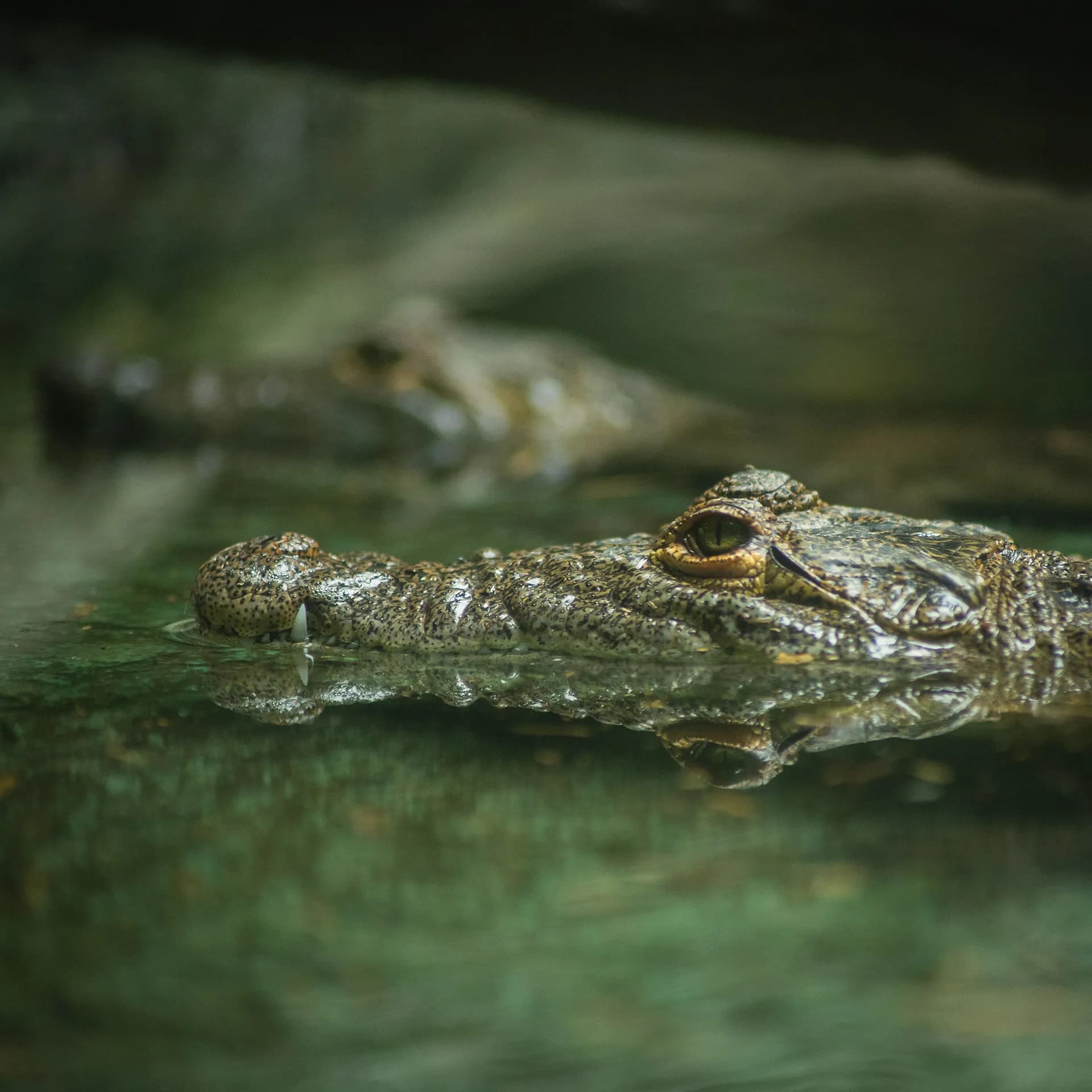
The more important question is what it means to live responsibly in a place that remains genuinely alive.
In destinations around the world—from waterfront communities in Florida to tropical properties in northern Australia and residences beside the wetlands of Mexico’s Pacific coast—people increasingly inhabit spaces where carefully designed environments overlap with wildlife habitat. The encounter can be extraordinary. It can also require a different understanding of ownership.
A home beside nature does not grant control over nature. It creates an obligation to live with greater awareness.
When the Landscape Is More Than a View
Along the coast of Puerto Vallarta and Riviera Nayarit, the meeting between residential life and the natural world is particularly visible around estuaries, mangrove corridors and interconnected waterways.
In Puerto Vallarta, El Estero El Salado occupies approximately 208 hectares within the urban landscape. Surrounded by roads, residential areas and tourism infrastructure, its mixture of fresh and salt water supports mangroves, fish, birds, reptiles and other species inside the city itself. It is not a decorative remnant placed beside development. It is a functioning coastal ecosystem connected to the wider environmental life of Banderas Bay.
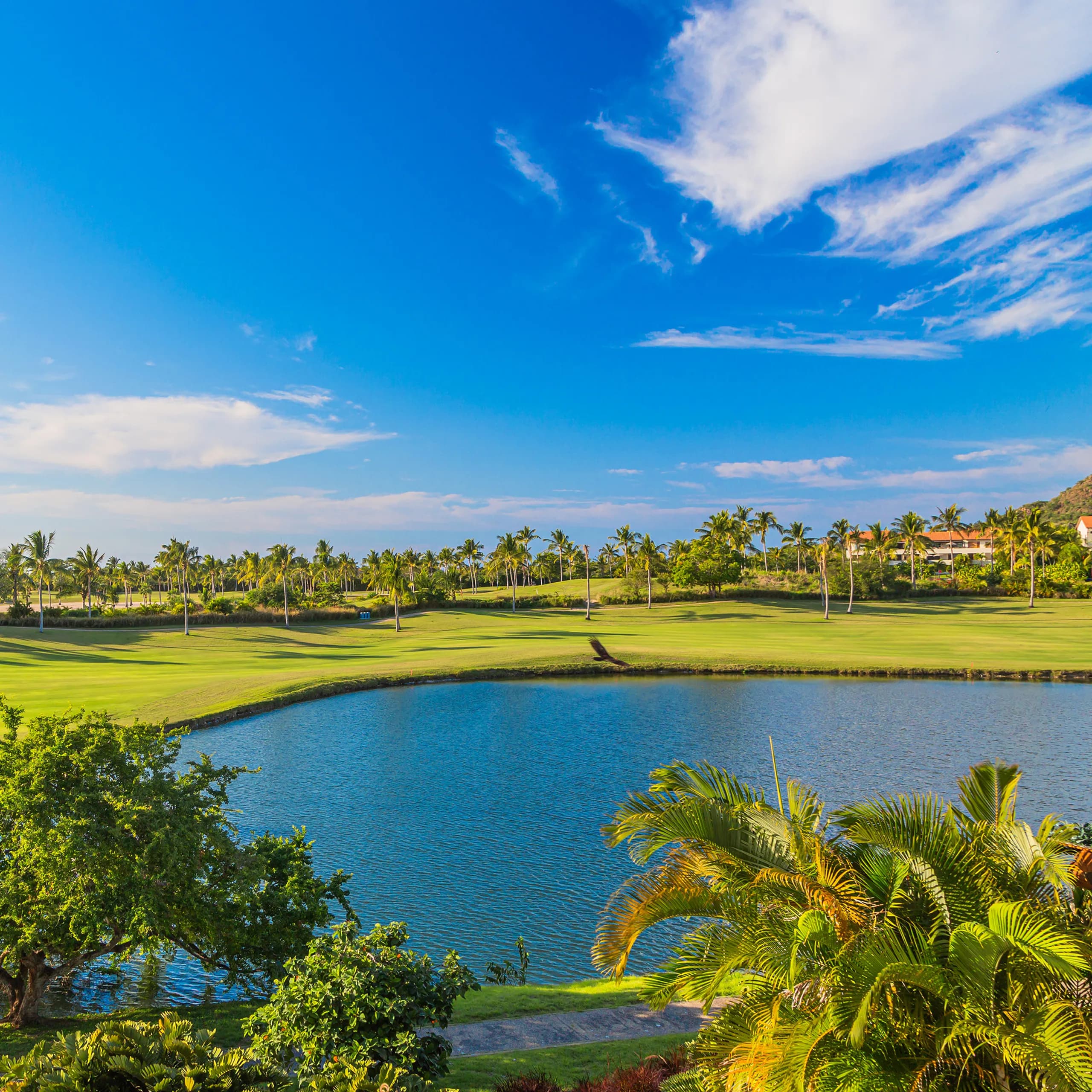
A similar relationship can be observed farther north in Riviera Nayarit, particularly in Nuevo Nayarit, where large residences, hotels and landscaped communities have been developed beside a network of navigable channels and estuarine waterways. The area includes the El Chino estuary and mangrove environments that continue to provide habitat and movement corridors for local wildlife. What may appear from a residence to be a private canal or an ornamental extension of the garden can remain part of a broader living system.
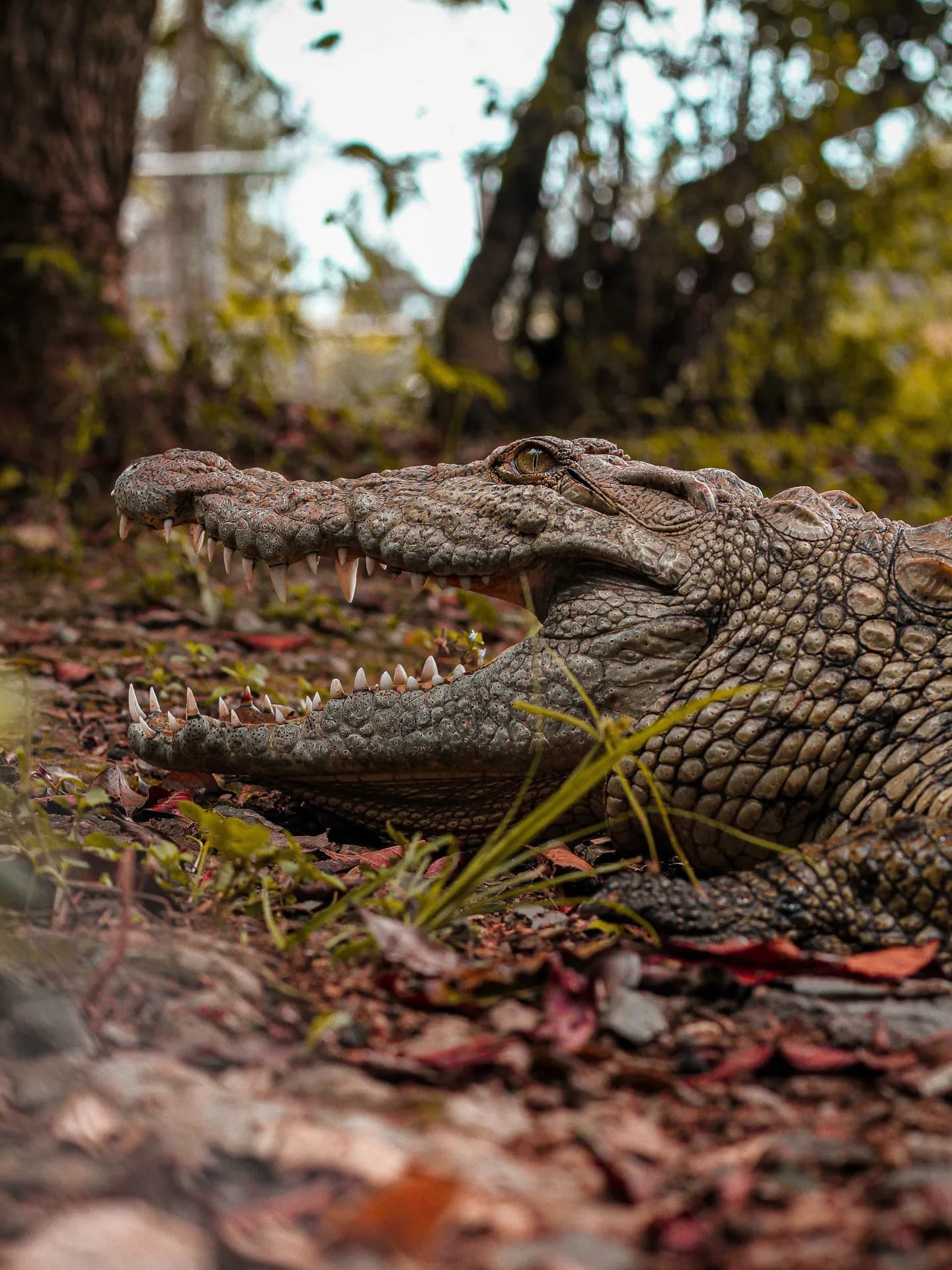
Among the inhabitants of these coastal environments is the American crocodile, Crocodylus acutus. The species naturally occupies brackish habitats, including mangrove swamps, coastal lagoons and tidal sections of rivers. These are precisely the kinds of landscapes that people often find visually compelling—and increasingly choose as settings for homes, resorts and recreational communities.
Its presence may feel unexpected only because contemporary development has trained us to interpret water as part of a designed composition.
A lagoon may appear to frame a view. A canal may seem like a boundary between residences. A pond on a golf course may read as landscape architecture. Yet water does not necessarily obey the conceptual divisions of a master plan. Channels connect with estuaries. Estuaries connect with mangroves, rivers and the bay. Together, they carry food, provide shelter and allow animals to move through territories that may now include gardens, golf courses and residential enclaves.
This is as relevant to a villa beside a canal in Nuevo Nayarit as it is to a residence near El Salado in Puerto Vallarta.
What appears curated from a terrace may still belong to a much older ecological network.
The Difference Between Access and Entitlement
Living near wildlife can offer something increasingly rare: the opportunity to observe the natural world as part of daily life rather than as an occasional excursion.
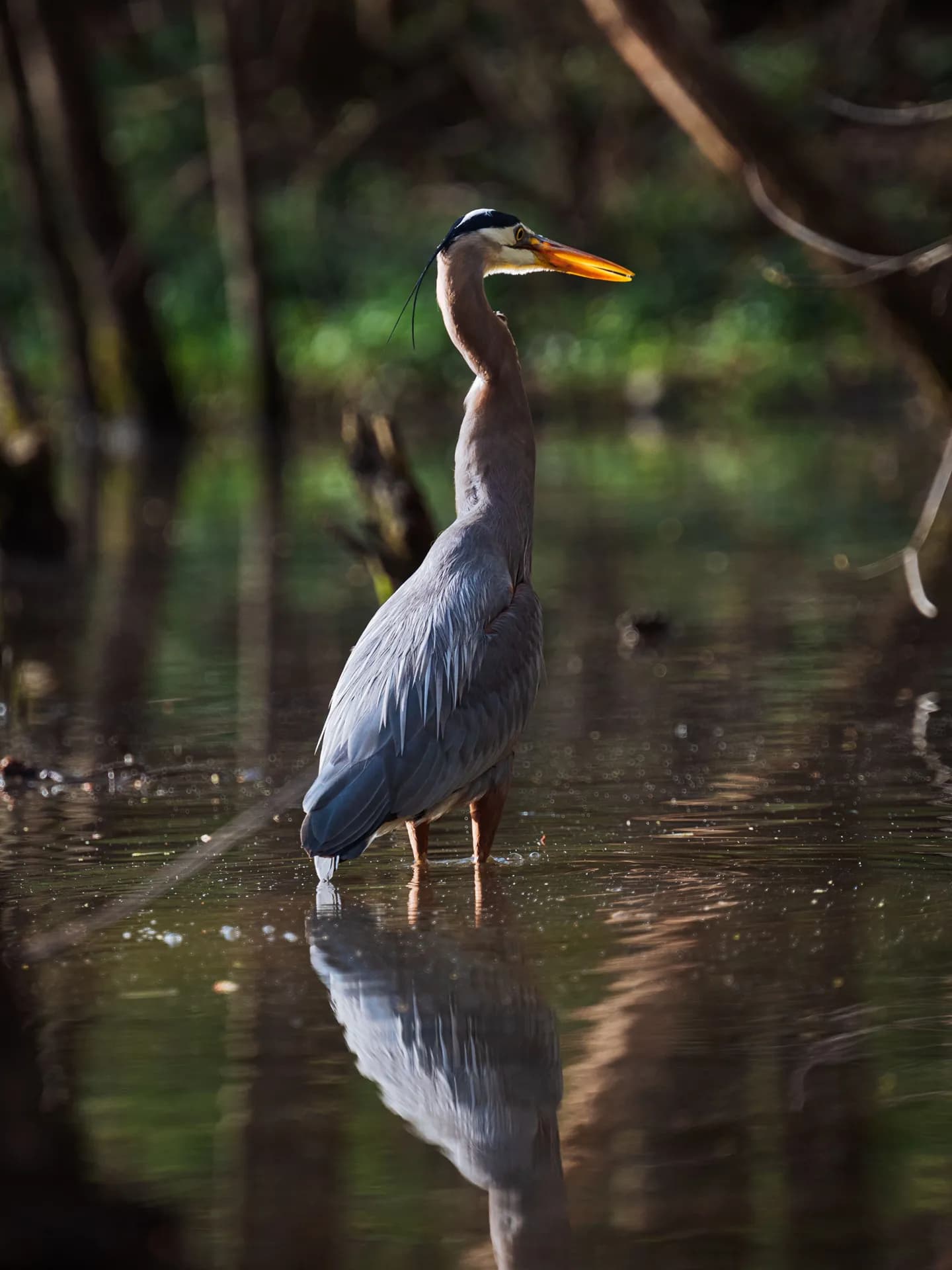
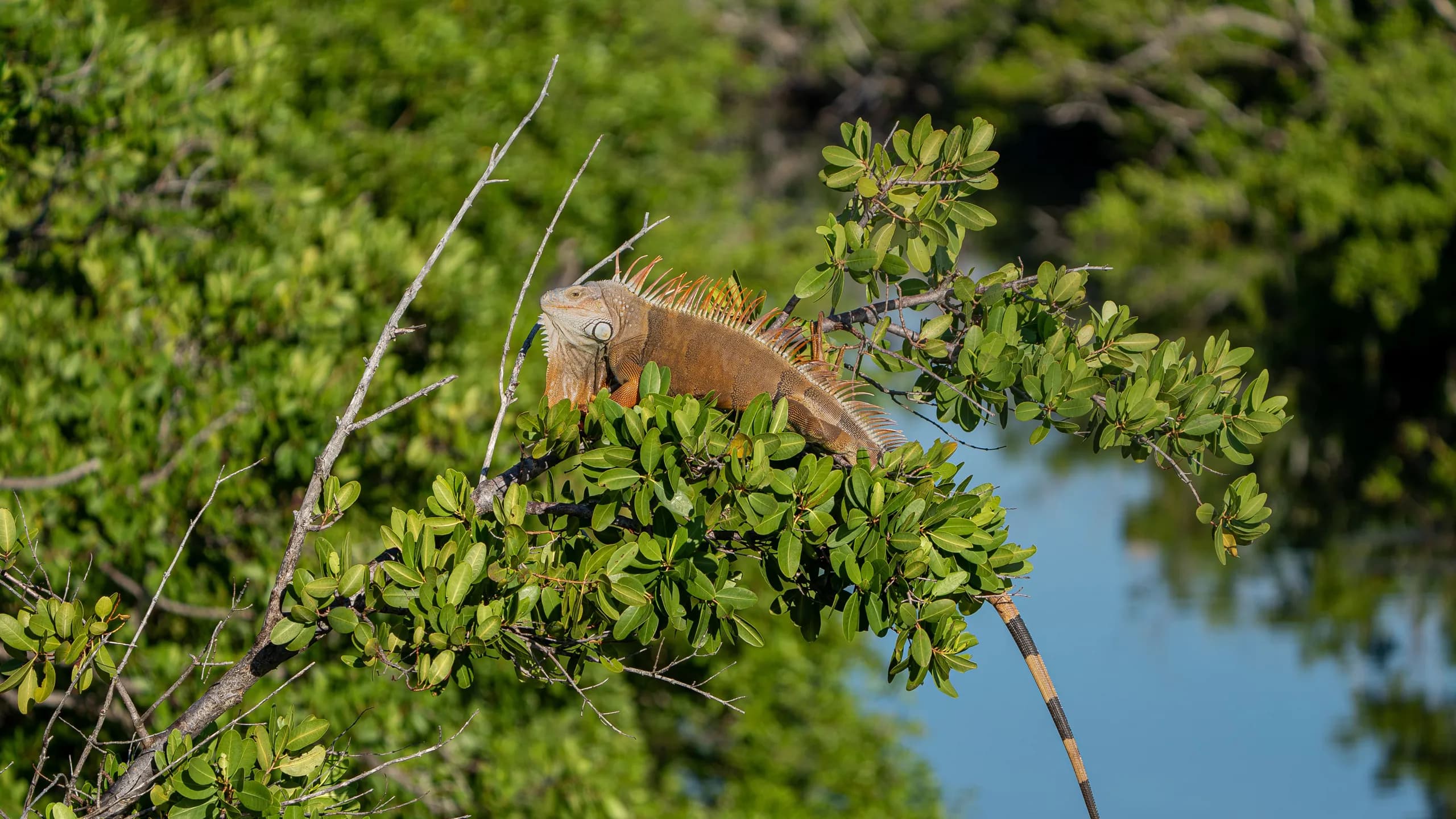
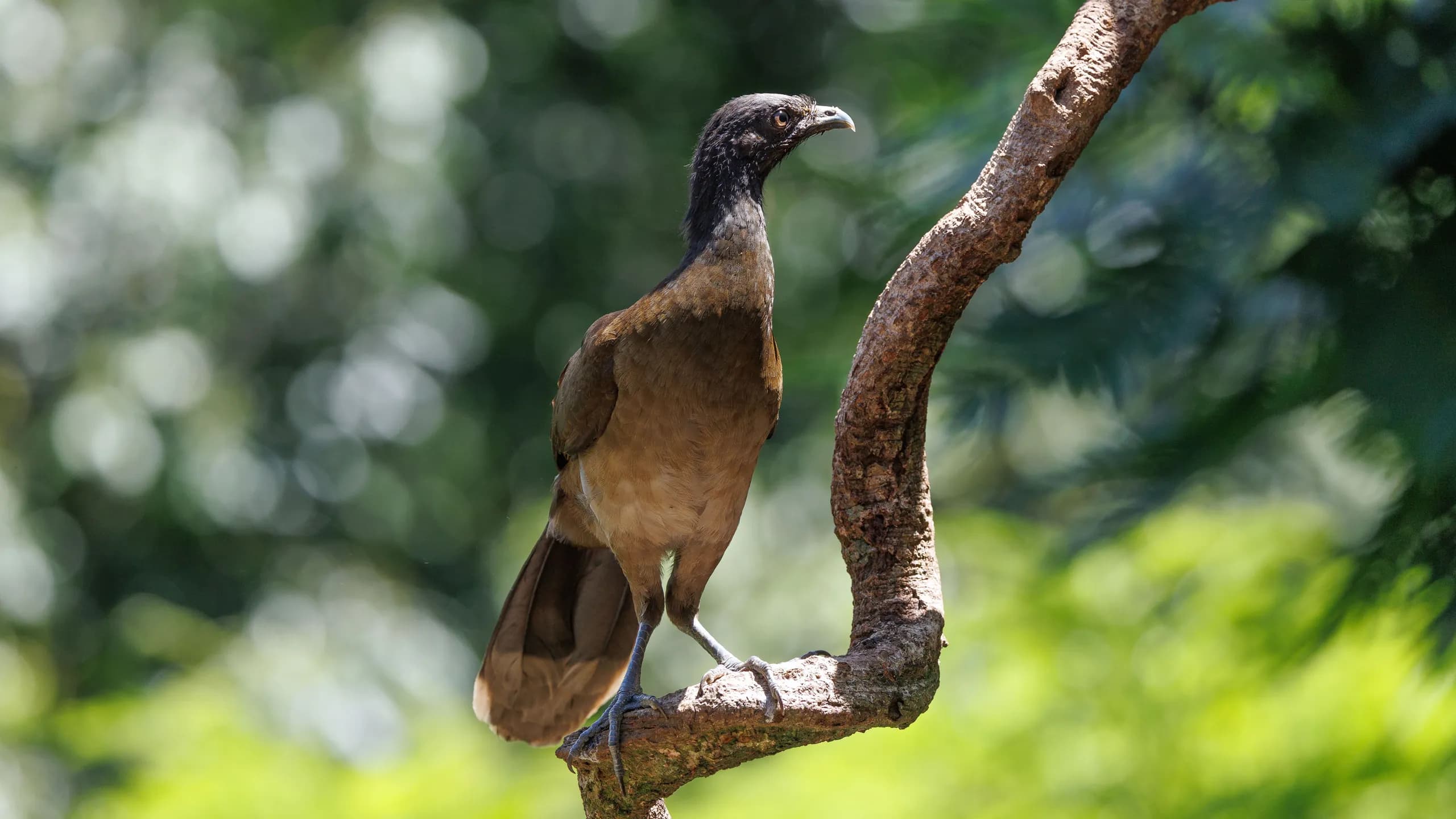
A heron landing near the water at sunrise, the movement of an iguana through a tree canopy or the distant outline of a crocodile along a mangrove bank can give a place an unmistakable sense of depth. These encounters remind residents that the landscape has its own activity, history and intelligence.
But proximity can easily be misunderstood as permission.
The desire to move closer, take a photograph, offer food or create an interaction is often presented as curiosity. In practice, it may disrupt the animal’s behavior, place people at risk and make future coexistence more difficult.
This is especially important with crocodilians. Wildlife authorities consistently advise people never to feed them. Feeding can cause an animal to lose its natural caution and associate humans with food—a behavioral change that creates danger not only for the person responsible, but for everyone who later encounters the animal.
Indirect feeding matters as well. Fish remains, food waste and the feeding of other animals near the shoreline can attract crocodilians without anyone intentionally approaching them.
Respect, in this context, is not an abstract environmental value. It is a series of specific decisions.
Do not feed. Do not approach. Do not corner. Do not attempt to move or handle wildlife. Do not treat an animal’s presence as content to be staged.
The best encounter is often the one that remains uneventful.
Distance Is Part of the Experience
Contemporary luxury frequently promises closeness: closer to the ocean, closer to the forest, closer to a landscape that feels removed from ordinary urban life.
Yet meaningful closeness to nature sometimes depends on maintaining physical distance from it.
A terrace, elevated walkway, bridge or designated observation point can offer a better relationship with wildlife than the water’s edge. These places allow people to observe without altering the animal’s path or placing themselves inside its immediate environment.
Official crocodile-safety guidance recommends remaining at least five metres from the water’s edge in crocodile habitat. Authorities also emphasize that the absence of a visible animal does not mean the area is clear; crocodiles can remain concealed underwater for extended periods.
The precise rules differ by destination and species, so local signage and official instructions should always take priority. The broader principle, however, is universal: leave more room than feels necessary.
Distance is not a failure to experience the landscape. It is what permits the experience to continue without becoming an intrusion.
A long lens is better than a close approach. An observation deck is better than an unmarked bank. A photograph taken without changing an animal’s behavior is more valuable than one achieved by entering its space.
The goal is not to collect an encounter. It is to witness one.
Children, Pets and the Meaning of Household Awareness
Living beside a wetland or wildlife corridor requires more than individual knowledge. It requires a household culture.
Children should learn early that natural waterways are inhabited environments rather than informal recreational spaces. A pond may look calm and accessible, but visibility above the surface reveals very little about what is present below it or within the surrounding vegetation.
Supervision near lagoons, canals, rivers and mangrove edges should therefore be deliberate, particularly in locations known to support crocodilians or other large wildlife.
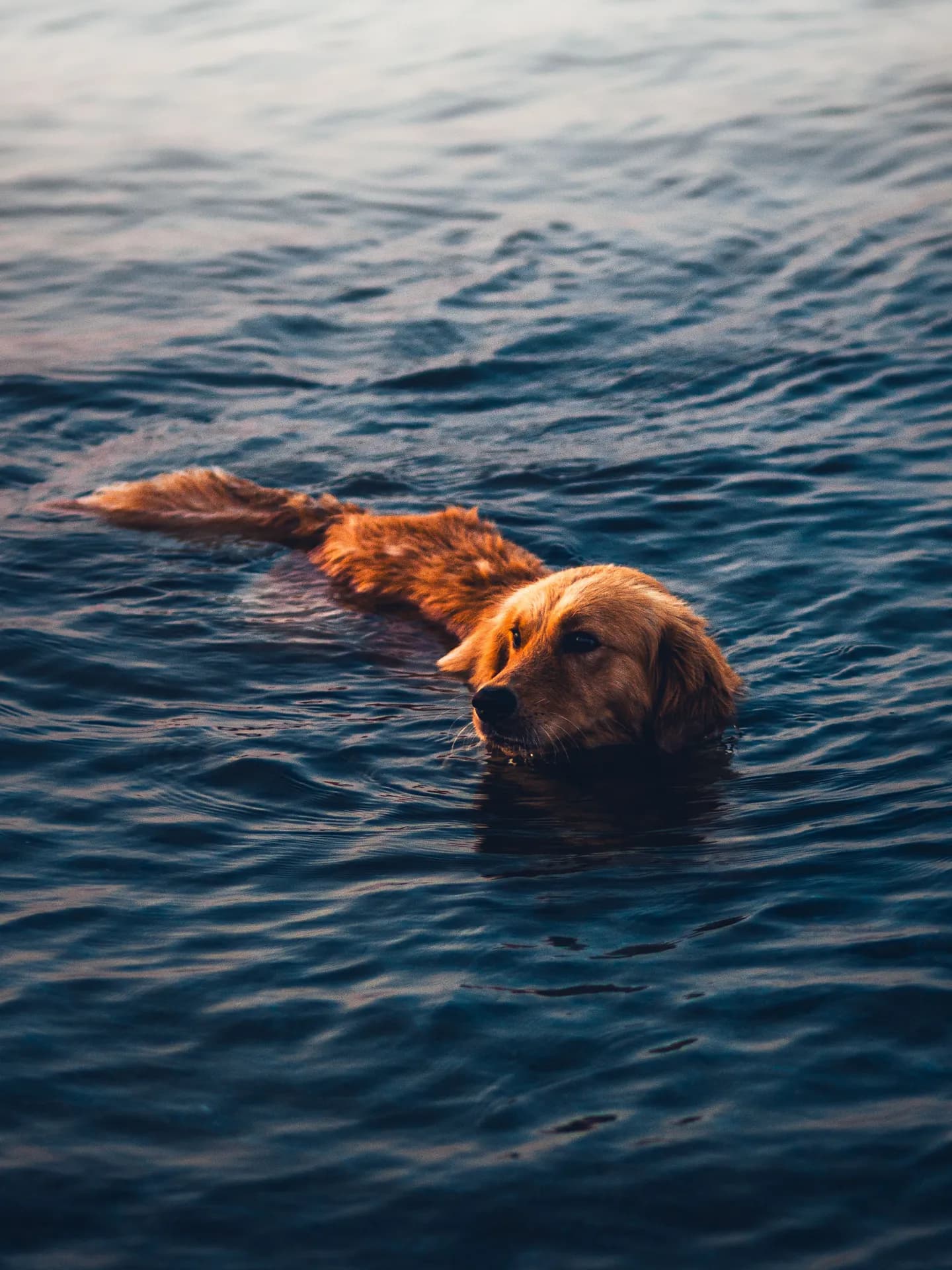
Pets require the same level of attention. Wildlife authorities advise keeping pets leashed and away from the water because they can resemble natural prey. They should not be permitted to swim, drink or play along the margins of fresh or brackish waterways in crocodilian habitat.
This applies even within residential communities that feel controlled.
A manicured lawn does not neutralize the ecology of the adjoining lagoon. A fence may reduce risk, but it should not create false confidence. Landscaping can obscure sightlines, water systems may connect beyond the property, and animals do not interpret the difference between private and common areas.
For households with children or animals, responsible design should make safe behavior intuitive. Paths should remain clearly separated from natural banks. Exterior lighting should support visibility. Gates and barriers should be maintained. Staff, residents and guests should understand the same protocol rather than relying on informal assumptions.
The objective is not to create fear. It is to remove ambiguity.
The Hours When the Landscape Changes
Dawn and dusk often reveal the most atmospheric version of a tropical landscape.
The temperature shifts. Bird activity changes. The light becomes softer. Gardens, waterways and mangroves appear to merge into a single composition.
These are also hours that demand additional awareness.
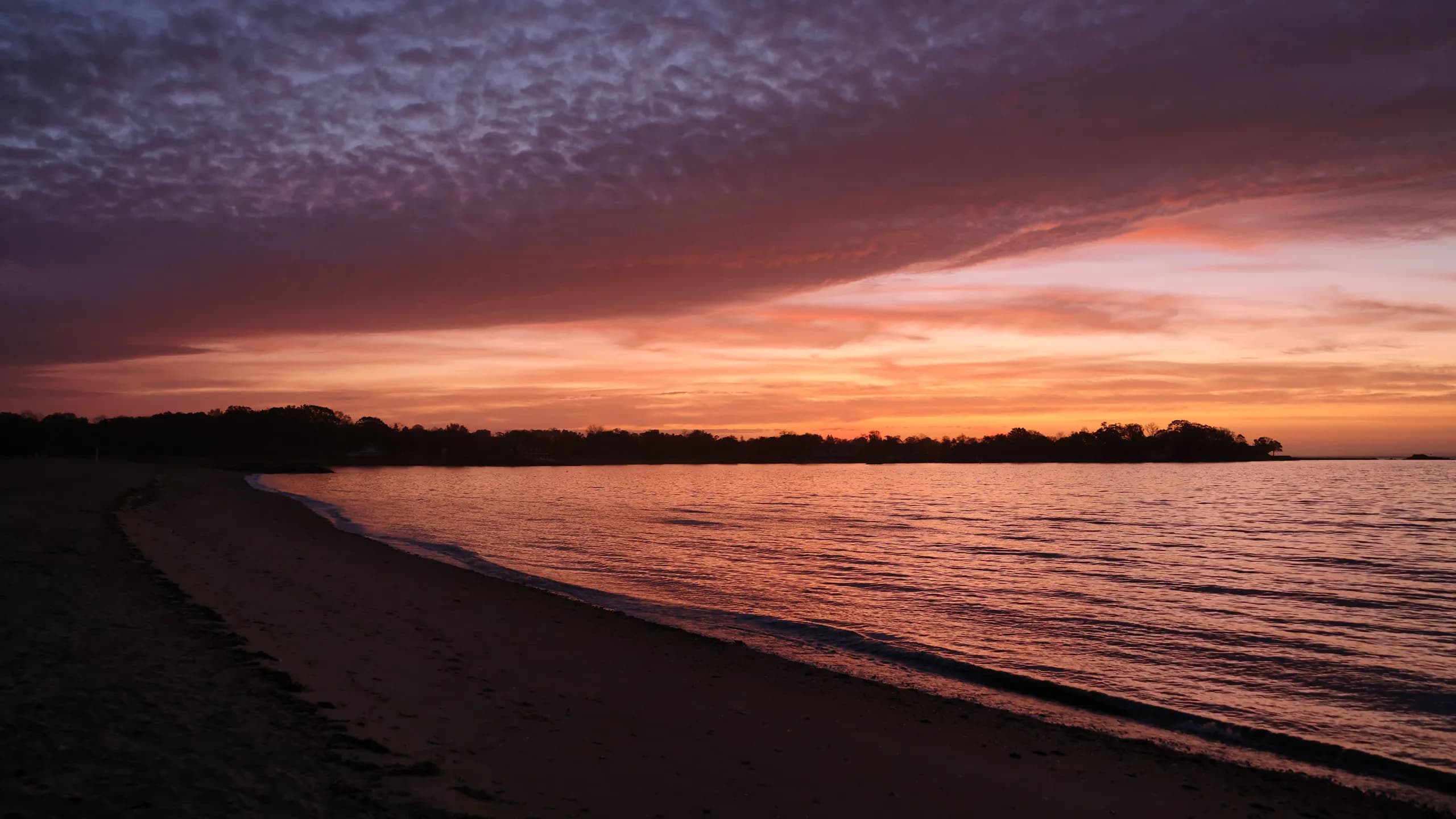
Wildlife authorities note that crocodiles are generally more active between dusk and dawn. They recommend swimming only in designated areas during daylight hours and keeping children and pets away from the water’s edge, particularly at night.
This does not mean that evening life beside the water should disappear. It means the way it is experienced should change.
Twilight is more safely appreciated from a terrace, a restaurant, an elevated path or a well-lit promenade than from an unmarked shoreline. Exterior routes should offer clear visibility and sufficient separation from dense vegetation and water. People returning from dinner, walking a dog or moving through a garden should not need to improvise their way through dark ecological edges.
Good design respects not only how residents want to move through a property, but how the surrounding landscape functions after the residents have gone inside.
A Different Standard for Coastal Design
Architecture beside wildlife habitat should do more than maximize the view. It should establish a clear and respectful boundary between domestic life and the ecosystem beyond it.
This begins with site planning.
Natural shoreline vegetation should not automatically be removed to create an uninterrupted visual field. In many cases, that vegetation stabilizes soil, provides habitat and reinforces the separation between human activity and the water. The desire for a cleaner frame should be weighed against the environmental function of what is being cleared.
Outdoor kitchens, waste areas and pet-feeding stations should be positioned and managed so they do not attract wildlife toward the residence. Pools located near lagoons or canals benefit from controlled access, robust barriers and unobstructed visibility across the deck and surrounding planting.
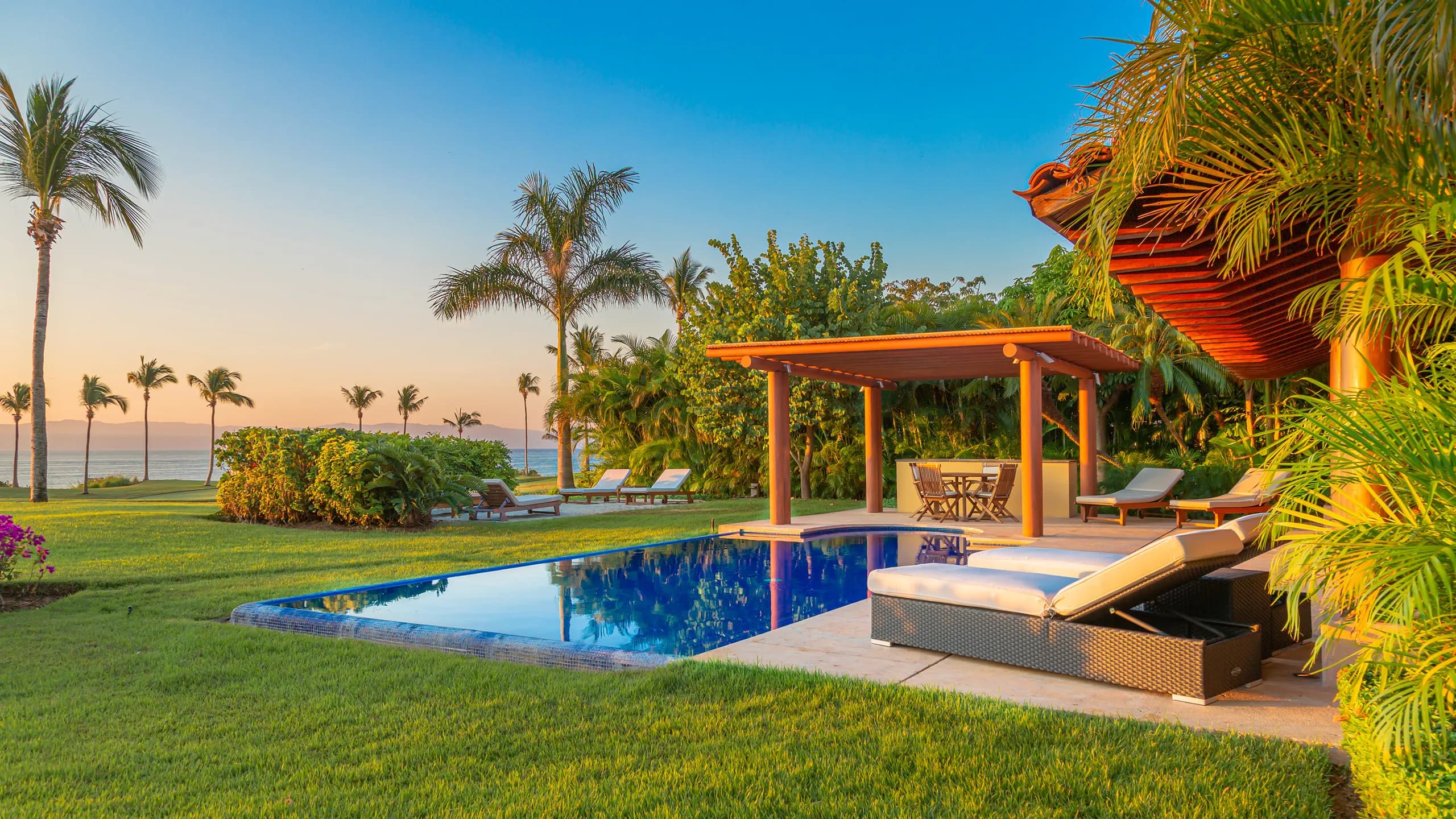
Before early-morning swimming or exterior maintenance, a simple visual inspection of the pool, deck and garden is a prudent household practice in areas where large reptiles or other wildlife may move through developed spaces.
It is not a substitute for professional wildlife management. It is a way of noticing before acting.
The same principle applies to lighting. Excessive illumination can disrupt wildlife, while insufficient lighting can make human movement less safe. The objective is not to flood the landscape with brightness, but to illuminate the routes people actually use and preserve visibility around doors, paths, pools and service areas.
Responsible design does not attempt to erase the wildness of a location. It creates enough structure for people to live beside it without constant conflict.
What to Do When Wildlife Appears
An unexpected animal encounter can produce two unhelpful reactions: panic or fascination.
One causes people to move unpredictably. The other encourages them to move closer.
The appropriate response is generally quieter. Keep a generous distance. Bring children and pets indoors or away from the area. Prevent other residents, guests or staff from approaching. Do not block the animal’s path or attempt to encourage it toward a particular direction.
Then contact the local authority or trained wildlife responder.
This principle applies across destinations, even though the institutions and telephone numbers differ. Residents should know the appropriate local contact before an encounter occurs, particularly when living beside protected areas, mangroves, canals or known wildlife corridors.
Property managers and concierge teams should maintain current emergency and environmental contacts. Household staff should understand who is authorized to respond and should never be expected to capture, restrain or relocate a wild animal.
In Puerto Vallarta and Riviera Nayarit, urgent situations can be routed through emergency services so the corresponding municipal or environmental personnel can respond. Contact information should always be confirmed locally, as institutional responsibilities and staffed numbers can change.
Preparation is more useful than improvisation.
The Responsibility of Hospitality
The obligation to coexist responsibly does not belong only to permanent residents.
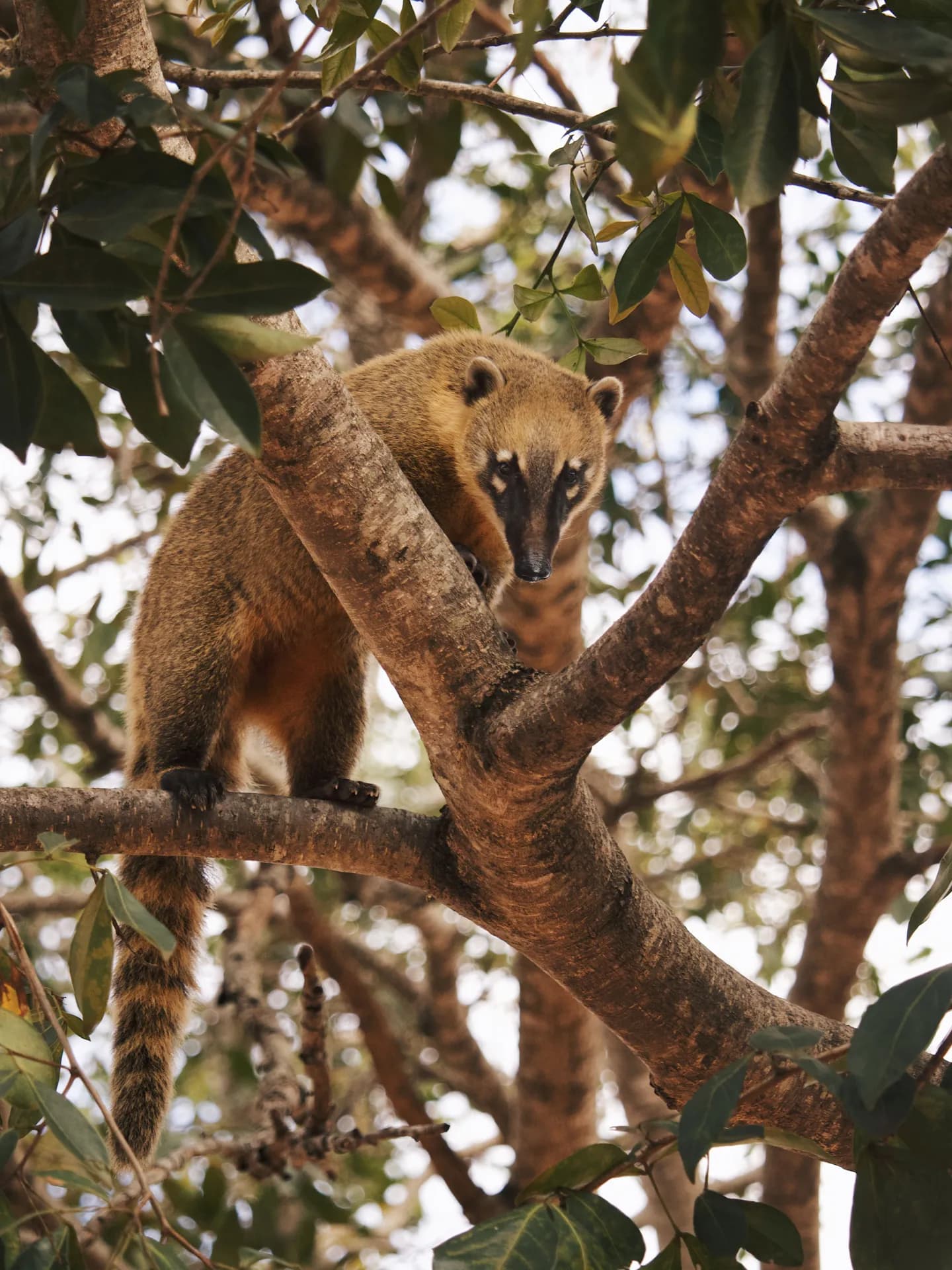
Vacation homes, villas, resorts and short-term rentals introduce guests who may not understand the local ecosystem. Someone arriving from a city may see a lagoon as part of the property’s amenities rather than as wildlife habitat. Another guest may have no experience with crocodilians, snakes, coatis or other animals common to the destination.
A sophisticated hospitality model should explain the landscape without dramatizing it.
A brief arrival note can identify the animals that may be encountered, the areas guests should avoid, the appropriate behavior around pets and children, and the number to call when wildlife is observed. Staff should communicate that these instructions are part of living well in the destination—not evidence that something has gone wrong.
Warning signs should be visible, well maintained and treated seriously. They should not be removed because they interrupt the aesthetic of a garden or photograph.
A beautiful property does not become less desirable because its ecological realities are acknowledged. It becomes more unique and trustworthy.
Nature Is Not a Residential Amenity
The language used to market nature often reduces it to a collection of benefits: tranquillity, privacy, views, access, wellness.
These qualities may be real. But an ecosystem exists for reasons beyond the experience it provides to the people living beside it.
Mangroves shelter young marine life, stabilize coastal edges and support complex food systems. Wetlands manage water, create habitat and connect species across territories. Predators occupy their own role within those systems, regardless of whether their presence is convenient for human activity.
When a destination still supports large wildlife, that presence often reveals something important: the landscape has not been entirely simplified for consumption.
This is where the idea of high-end living can become more meaningful.
Refinement is not demonstrated by forcing the environment into perfect submission. It appears in the ability to build, operate and inhabit a place without exhausting the qualities that made it desirable.
It appears in restrained architecture. In informed staff. In children who understand that observation does not require contact. In residents who report wildlife rather than harass it. In communities willing to preserve ecological corridors even when doing so limits a view, a path or a developable edge.
The mature response to nature is not to ask how closely we can approach.
It is to ask how lightly we can remain.
A Privilege Measured by What Remains
A residence beside a mangrove, wetland, forest or tidal corridor can offer an extraordinary quality of life.
But the deepest value of such a home is not that nature has been brought within reach. It is that enough of the natural system remains intact to exist on its own terms.
Puerto Vallarta and Riviera Nayarit offer particularly visible examples of this relationship. In Puerto Vallarta, El Estero El Salado persists within a growing coastal city, supporting wildlife in close proximity to homes, roads and recreational spaces. Farther north, the estuaries, mangrove systems and interconnected channels of Riviera Nayarit continue to move through and alongside residential communities, hotels, golf courses and waterfront homes.
In places such as Nuevo Nayarit, a canal beside a private garden may appear to belong to the architecture of the residence. Ecologically, however, it may remain connected to estuarine waters, mangrove habitat and the wider life of Banderas Bay. The distinction matters. What looks private from the terrace may still function as part of a shared environmental corridor.
The persistence of these ecosystems complicates the idea that desirable coastal living must be separated from wildlife. Instead, it asks residents, designers, developers and visitors to become more observant participants in the places they enjoy.
The same question extends far beyond Mexico.
In any destination where architecture meets living habitat, the standard of a home should be measured partly by what continues to move around it: the animals that retain their natural caution, the vegetation that remains connected, the waterways that still function and the quiet territories people have chosen not to occupy.
To live beside the wild is not to possess it.
It is to accept that the landscape has other residents, other rhythms and a history that began before our arrival. The privilege is not simply seeing that world from the terrace.
The privilege is helping ensure that it remains there.
Filed under