
The Corridor North of Punta Mita: Luxury, Land, and Coastal Life in Riviera Nayarit
A look at five micro-destinations in Riviera Nayarit where established luxury, available land, and coastal momentum coexist within a single corridor.
By LUUMHAUS
| Last Reviewed:
There are stretches of coastline that do not reveal themselves all at once.
They unfold gradually, through a sequence of places that sit close to one another geographically, but far apart in mood. Punta Mita, Litibú, Higuera Blanca, Sayulita, and San Pancho belong to that kind of coastal rhythm. Together, they form one of the most interesting lifestyle and property corridors in Riviera Nayarit: a compact stretch of the Pacific where ultra-luxury villas, master-planned resort living, large land opportunities, surf culture, and coastal life exist within a surprisingly short drive.
For some buyers, this corridor represents privacy and architectural scale. For others, it represents land, timing, and long-term possibility. For others still, it offers something quieter: the chance to live near the ocean without losing the intimacy of a real coastal town.
The important point is that this is not one market. It is several micro-destinations, each with its own character, pace, and relationship to growth.
Understanding the corridor requires looking at those differences carefully.
Punta Mita: The Luxury Anchor
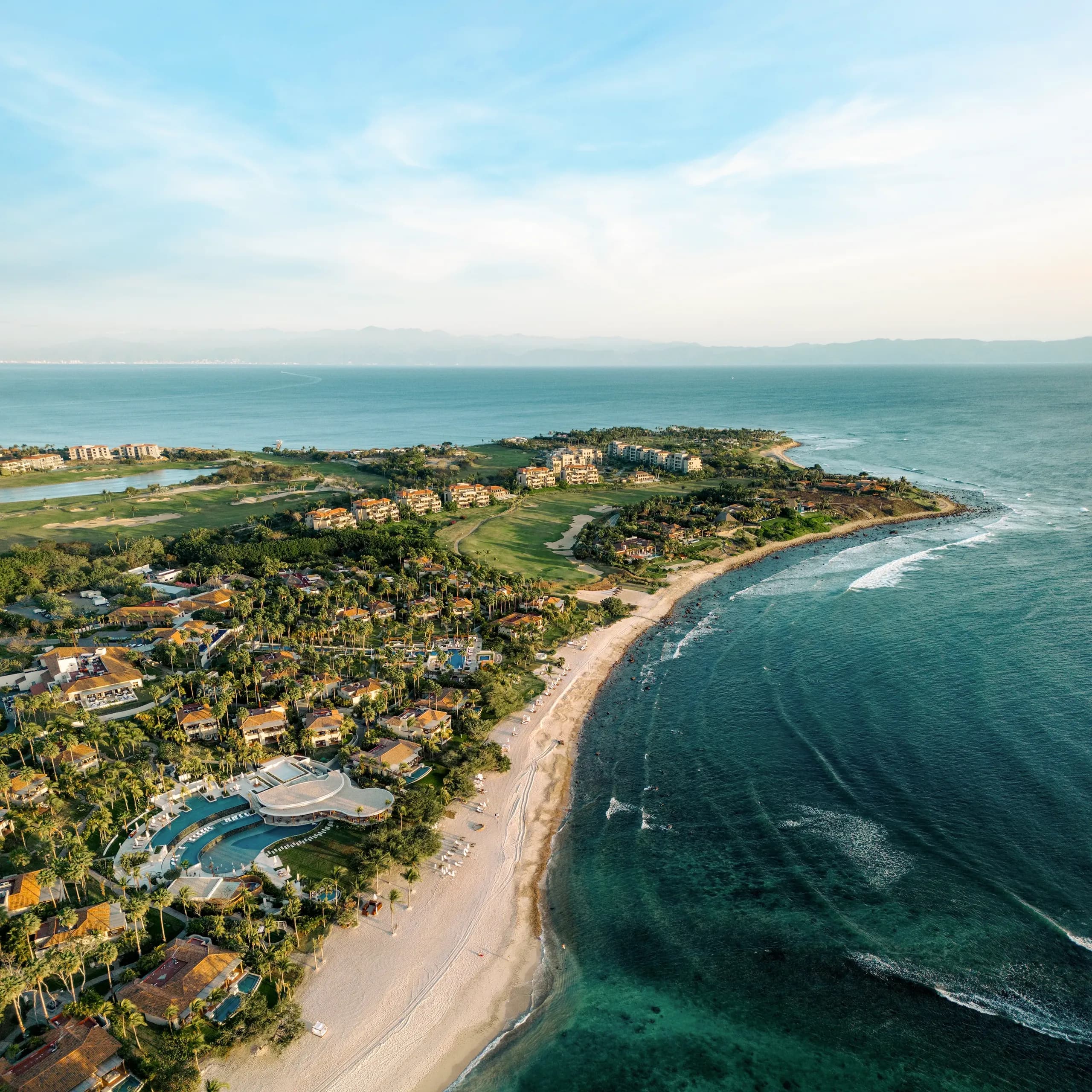
Punta Mita is the southern anchor of this corridor and, in many ways, the reference point that shapes how the surrounding area is perceived.
It is not simply a beach destination. It is a mature luxury environment, built around privacy, hospitality, golf, residential services, and a level of infrastructure that appeals to buyers who want a highly managed coastal lifestyle. The presence of Four Seasons Resort Punta Mita, The St. Regis Punta Mita Resort, estate homes, residential enclaves, private beach clubs, and two Jack Nicklaus Signature golf courses has established Punta Mita as one of the clearest luxury benchmarks on Mexico’s Pacific Coast.
That matters because luxury markets do not exist only inside their gates. They influence the land, architecture, pricing expectations, hospitality standards, and buyer psychology around them.
In Punta Mita, the appeal is not only the ocean. It is the assurance of a complete environment. A buyer considering a high-end home or villa here is often looking for more than a beautiful residence. They are looking for discretion, security, service, access, and a social ecosystem that feels already formed.
The tradeoff is equally clear. Punta Mita is not casual village life. It is curated, structured, and priced accordingly. For some, that is exactly the point. For others, it may feel too removed from the daily texture of the surrounding towns.
But as a market anchor, its role is undeniable. Punta Mita has already proven that this coastline can support some of the most sophisticated residential demand in the region.
Litibú: The Next Luxury Layer
Just beyond Punta Mita, Litibú carries a different kind of promise.
It does not have the same long-established identity as Punta Mita, but it benefits from proximity, planning, and space. Litibú is where the corridor begins to open into a broader conversation about resort development, golf, beachfront residences, and a newer generation of high-end coastal product.
This is one of the reasons Litibú is important. It sits close enough to Punta Mita to inherit some of its luxury logic, but it still has room to define itself. The presence of golf, beach access, hospitality investment, and new residential communities gives Litibú a sense of transition: no longer an undeveloped edge, but not yet a fully mature luxury enclave.
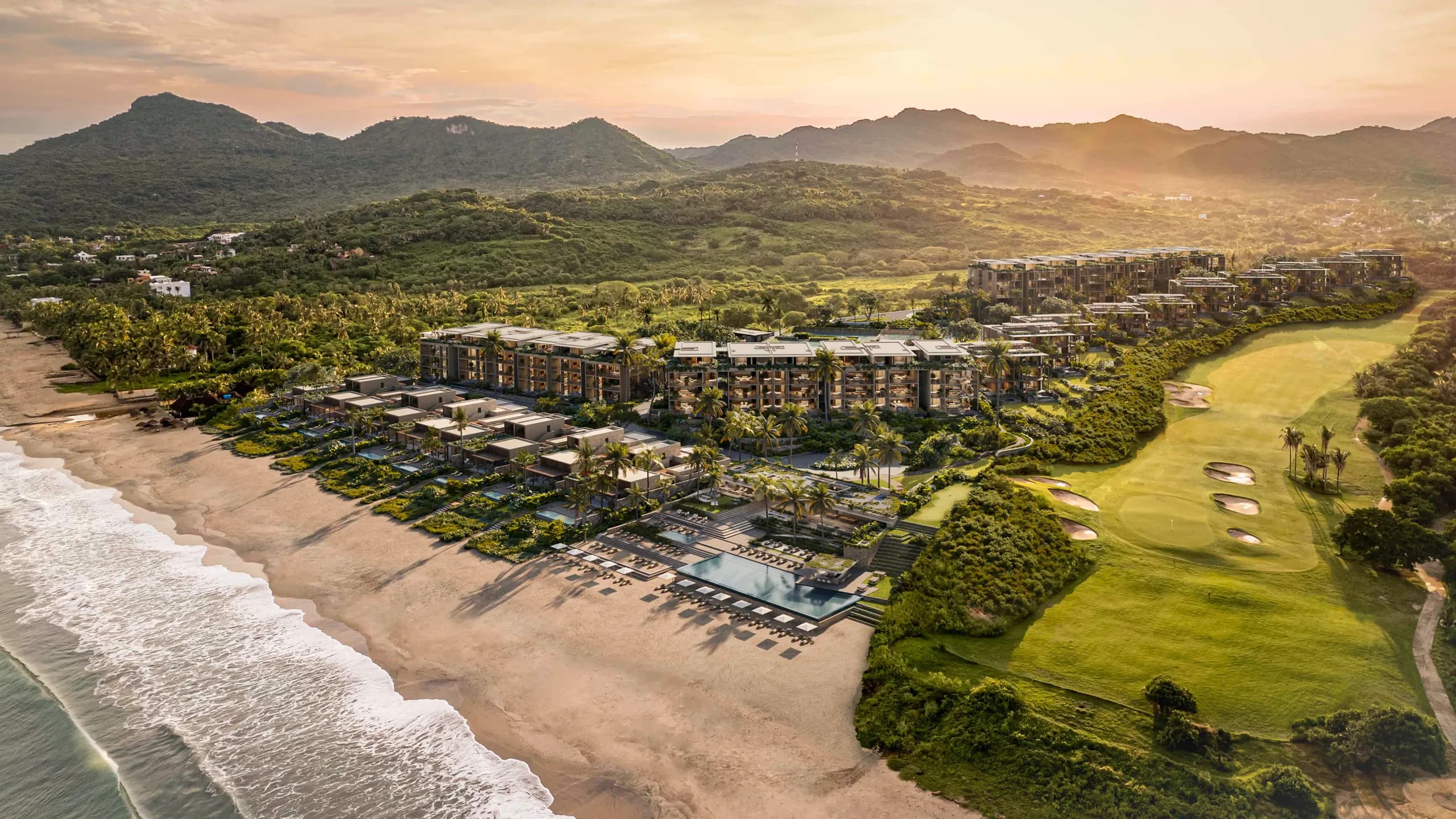
For buyers seeking high-end homes and villas, this can be appealing. Litibú offers the possibility of contemporary residences with ocean proximity, beach club concepts, and a less saturated feel than the most established parts of Punta Mita.
Its identity is still forming, and that is part of both its appeal and its risk.
The buyer who chooses Litibú is often choosing trajectory. They are not only buying what the area is today. They are buying into what it may become as the Punta Mita influence, resort development, and residential demand continue to move along this part of the coast.
The question is not whether Litibú is beautiful. That is obvious. The more useful question is whether its future rhythm will match the lifestyle a buyer is seeking. Will it become a refined extension of Punta Mita’s luxury ecosystem? Will it preserve enough openness and natural presence to feel distinct? Will growth arrive with restraint, or will the area become another overbuilt coastal node?
Those are the questions that matter.
Higuera Blanca: The Land Thesis
Between the luxury gravity of Punta Mita and the village energy of Sayulita, Higuera Blanca occupies one of the most strategic positions in the corridor.
It is not as polished as Punta Mita. It is not as visible as Sayulita. It is not as culturally branded as San Pancho. But for investors and developers, that may be exactly why it deserves attention.
Higuera Blanca offers something that mature coastal markets often lose: land depth.
This is where the conversation shifts from finished homes to possibility. Parcels, larger tracts, and development-oriented land become part of the story. For buyers thinking in terms of custom homes, boutique hospitality, private estates, low-density communities, or long-term land banking, Higuera Blanca offers a different kind of value than the finished luxury markets nearby.
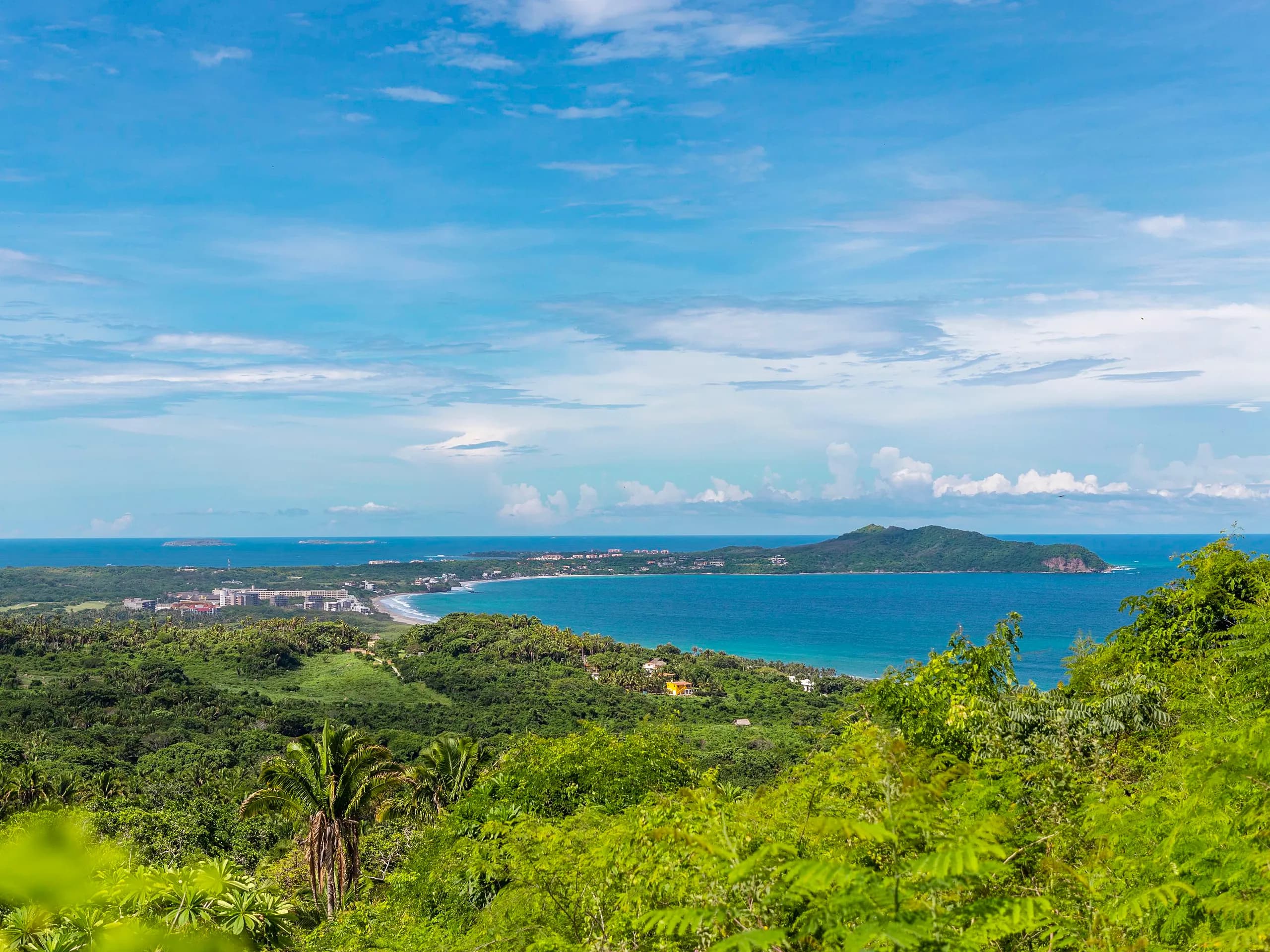
Its location is central to the argument. Higuera Blanca sits close to Punta Mita and Litibú, while remaining connected to Sayulita and San Pancho. That gives it access to multiple demand profiles: luxury buyers from the south, lifestyle buyers from the north, and long-term investors looking for areas that have not yet fully absorbed the pricing pressure of their neighbors.
The opportunity is not simply that land exists. Land exists in many places. The opportunity is that Higuera Blanca sits inside a corridor where demand has already been validated on both sides.
To the south, Punta Mita has established the ultra-luxury precedent. Litibú is adding a newer resort-residential layer. To the north, Sayulita and San Pancho have proven the appeal of coastal village life to both Mexican and international buyers. Higuera Blanca sits in the middle of that movement, with enough quietness to feel separate and enough proximity to remain relevant.
This does not mean every parcel is automatically attractive. Serious land evaluation requires discipline. Access, title, zoning, density, utilities, water, environmental considerations, road conditions, and future infrastructure all matter. In Mexico, especially in coastal and semi-rural areas, land is never only about size or price. It is about what can responsibly and legally be done with it.
Still, for investors with patience and proper due diligence, Higuera Blanca may be one of the corridor’s most interesting entry points. It offers the possibility of participating in the area’s long-term evolution before every piece of the map has been fully defined.
Sayulita: Energy, Surf, and Residential Demand
Sayulita is the most internationally recognizable village in this corridor.
Its identity is built around surf, color, restaurants, cafés, boutiques, nightlife, and a constant movement of visitors, residents, digital workers, and long-term foreigners who have made the town part of their lives. It is lively, layered, and sometimes contradictory. That is part of its character.
For some, Sayulita is exactly the coastal village they imagined: walkable, social, expressive, and full of daily energy. For others, it can feel too busy, especially during high season, holidays, and weekends. Its popularity has brought opportunity, but also pressure.
That is the central tradeoff.
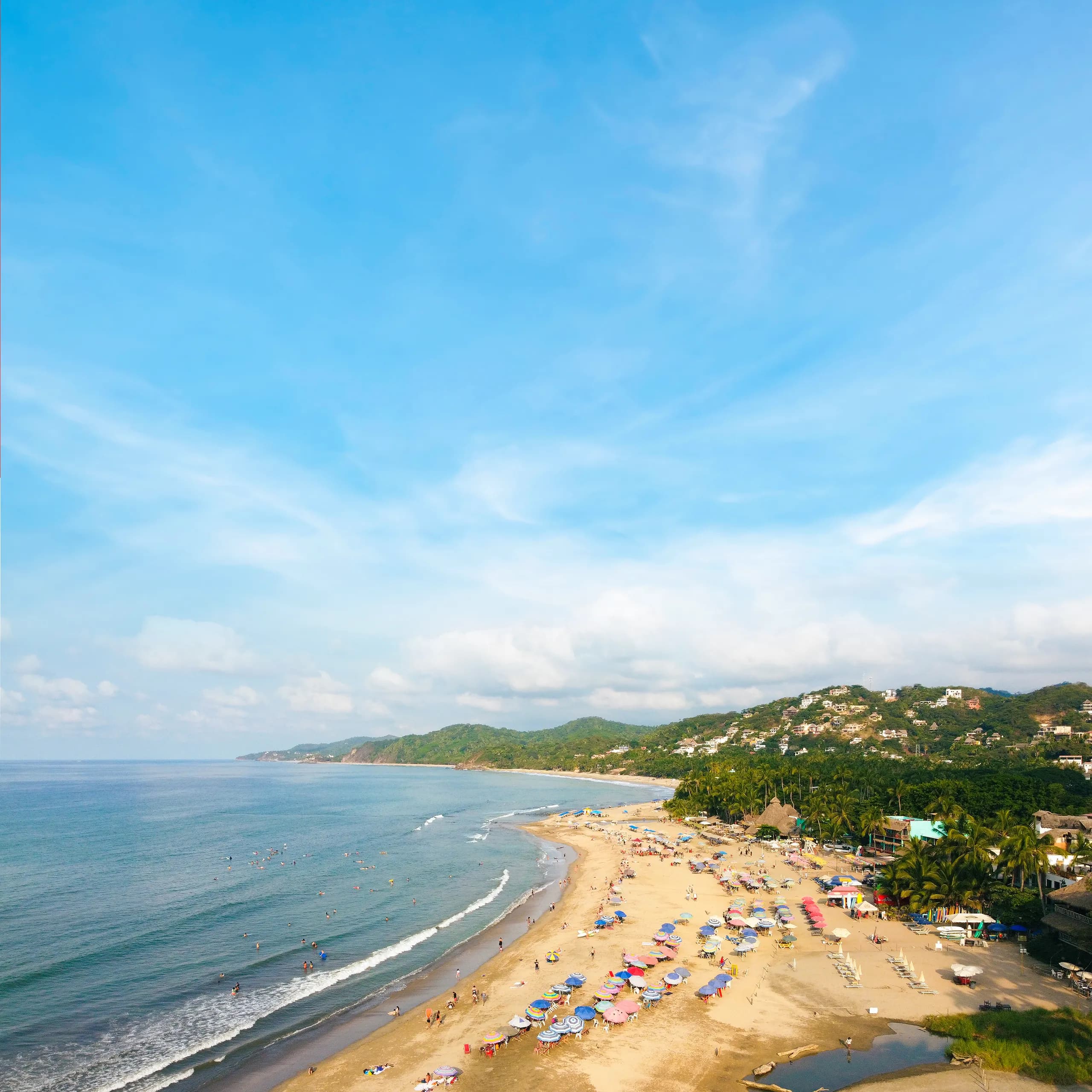
Sayulita offers a real lifestyle, not just a resort experience. People walk to dinner. They surf before work. They meet friends without planning too much. Homes here are often valued not only for their architecture or views, but for their relationship to the village itself. Proximity matters. Walkability matters. The ability to participate in the town’s rhythm matters.
For buyers, Sayulita offers homes that connect directly to a recognizable lifestyle. Some are tucked into hillsides, some are closer to town, some are designed for rental performance, and others are intended for people who want to live there more permanently.
But Sayulita asks for honesty. A person who wants silence, privacy, and total control may find its energy difficult. A person who wants community, movement, surf culture, and a less formal way of living may find it deeply compelling.
It is not the quietest option in the corridor. But it may be the most immediately alive.
San Pancho: The Calmer Village Alternative
A short drive north of Sayulita, San Pancho offers a different kind of coastal living.
The town is quieter, more measured, and more culturally grounded. It has its own restaurants, beach life, local initiatives, art, music, and community atmosphere, but it tends to feel less frenetic than Sayulita. For many buyers, that difference is decisive.
San Pancho appeals to people who want village life without constant intensity. It still has surf, cafés, restaurants, and an international presence, but the pace is softer. The town feels more residential, more intimate, and in many ways more selective in its rhythm.
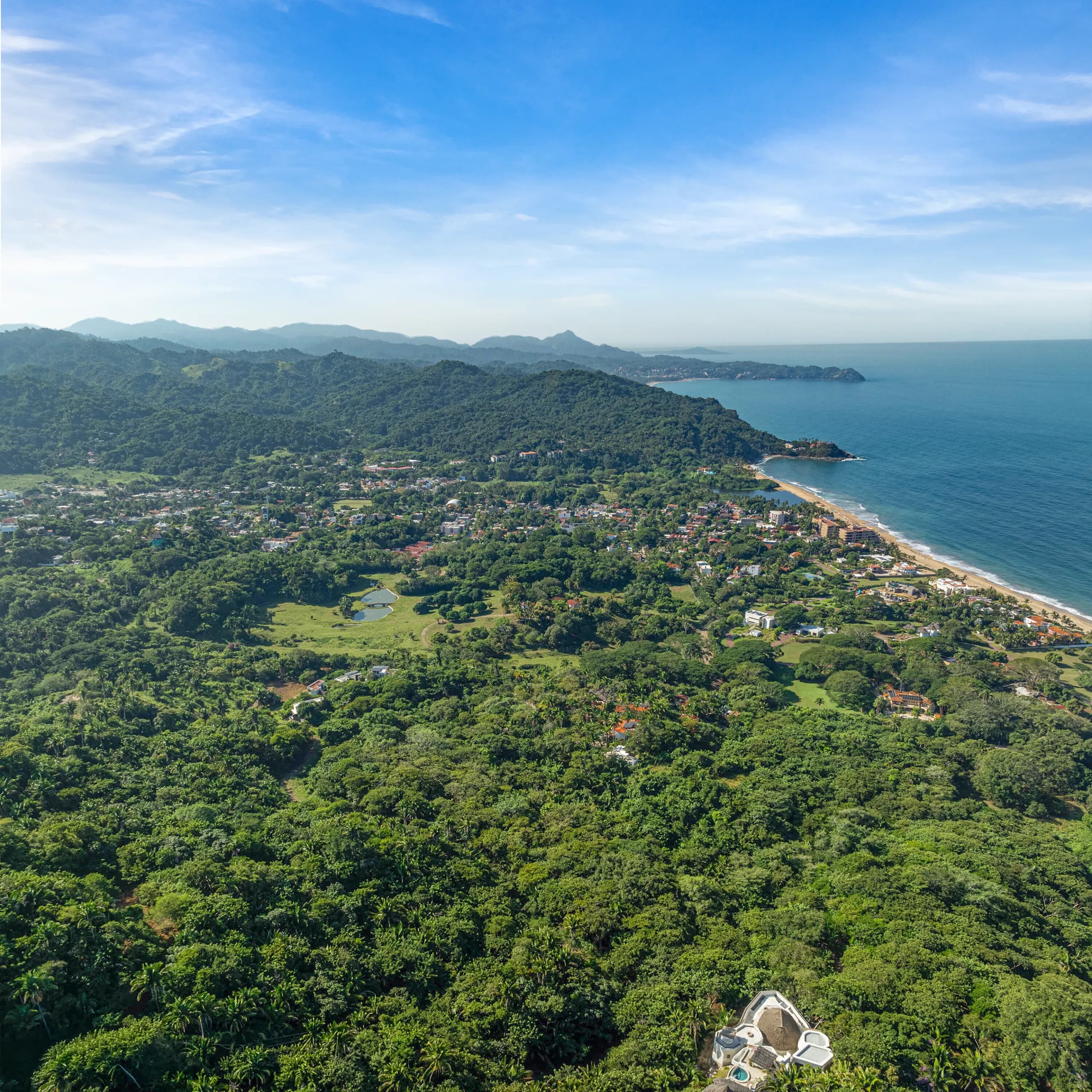
Homes in San Pancho often speak to this buyer: someone who wants to live near the ocean, remain close to nature, participate in a community, and still preserve a sense of calm. The appeal is not only architectural. It is emotional and practical. Can mornings feel slower here? Can a person build routines around the beach, the plaza, the café, the market, and the familiar faces of a smaller town?
For retirees, semi-retired buyers, creative professionals, and families seeking a more grounded coastal life, San Pancho can feel like a more balanced alternative. It offers lifestyle without quite the same volume. It offers charm without needing to perform as much.
The tradeoff is that quiet often comes with fewer services, fewer options, and less immediate infrastructure than larger or more developed areas. That may be acceptable, even desirable, for the right buyer. But it should be understood clearly.
San Pancho is not Punta Mita, and it is not Sayulita. It is not trying to be. That is precisely its value.
One Corridor, Several Futures
What makes this corridor so compelling is that each destination answers a different question.
Punta Mita asks: what does fully established luxury look like on this coast?
Litibú asks: how does the next generation of resort-residential development take shape?
Higuera Blanca asks: where does land still have room to become something meaningful?
Sayulita asks: what happens when a surf village becomes a global lifestyle reference?
San Pancho asks: can a coastal town grow while still preserving a calmer sense of identity?
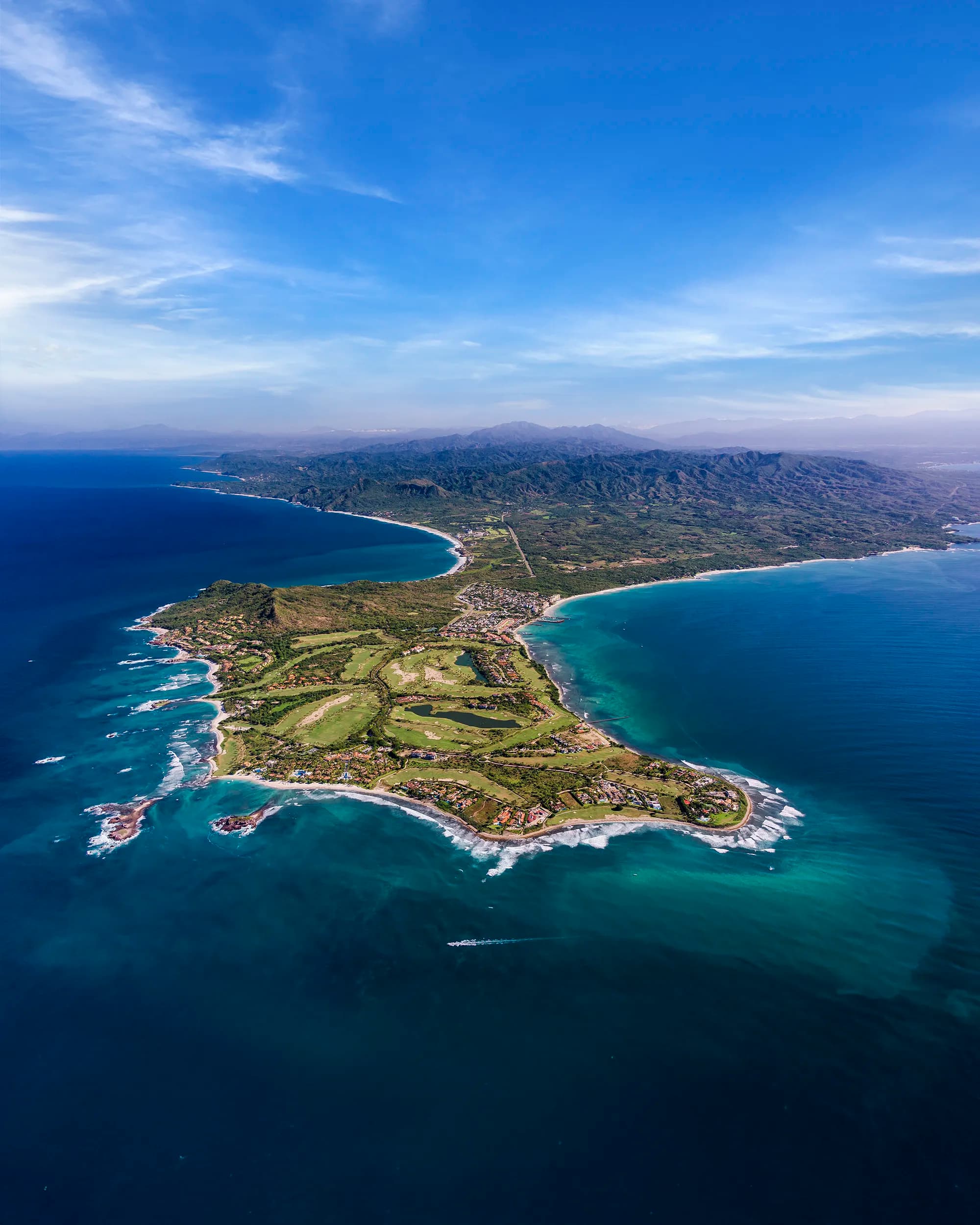
Together, these places create a rare spectrum. A buyer can look for a high-end villa inside a mature luxury community, a beachfront residence in an emerging resort environment, a development parcel with long-term upside, a home inside a lively surf town, or a quieter residence in a village that still feels deeply local.
The mistake would be to treat them as interchangeable simply because they are close to one another.
They are not.
Each one offers a different relationship between nature, infrastructure, privacy, community, price, and future growth. The right decision depends less on which place is “best” and more on which place fits the life being imagined.
The Real Question
Along this part of Riviera Nayarit, real estate is only one layer of the story.
The deeper question is about alignment. Does a buyer want the privacy and service structure of Punta Mita? The emerging luxury of Litibú? The land potential of Higuera Blanca? The social energy of Sayulita? The calmer village life of San Pancho?
Each answer leads to a different kind of property decision.
That is why this corridor matters. It does not offer a single version of coastal life. It offers several, placed close enough together to be compared, but distinct enough to demand careful thought.
For the investor, the opportunity may be in understanding where growth is moving before it becomes obvious. For the future resident, the value may be in recognizing which rhythm feels sustainable beyond the first season of excitement. For the developer, the challenge may be to build in a way that respects the landscape rather than simply extracting from it.
Ultimately, the corridor north of Punta Mita is more than just a luxury market, a land market, or a surf destination. It is a study in how different versions of coastal life can coexist within one region.
And for anyone considering a home, a villa, or land here, that may be the most important insight: the property comes later. First comes the choice of rhythm.
Filed under